
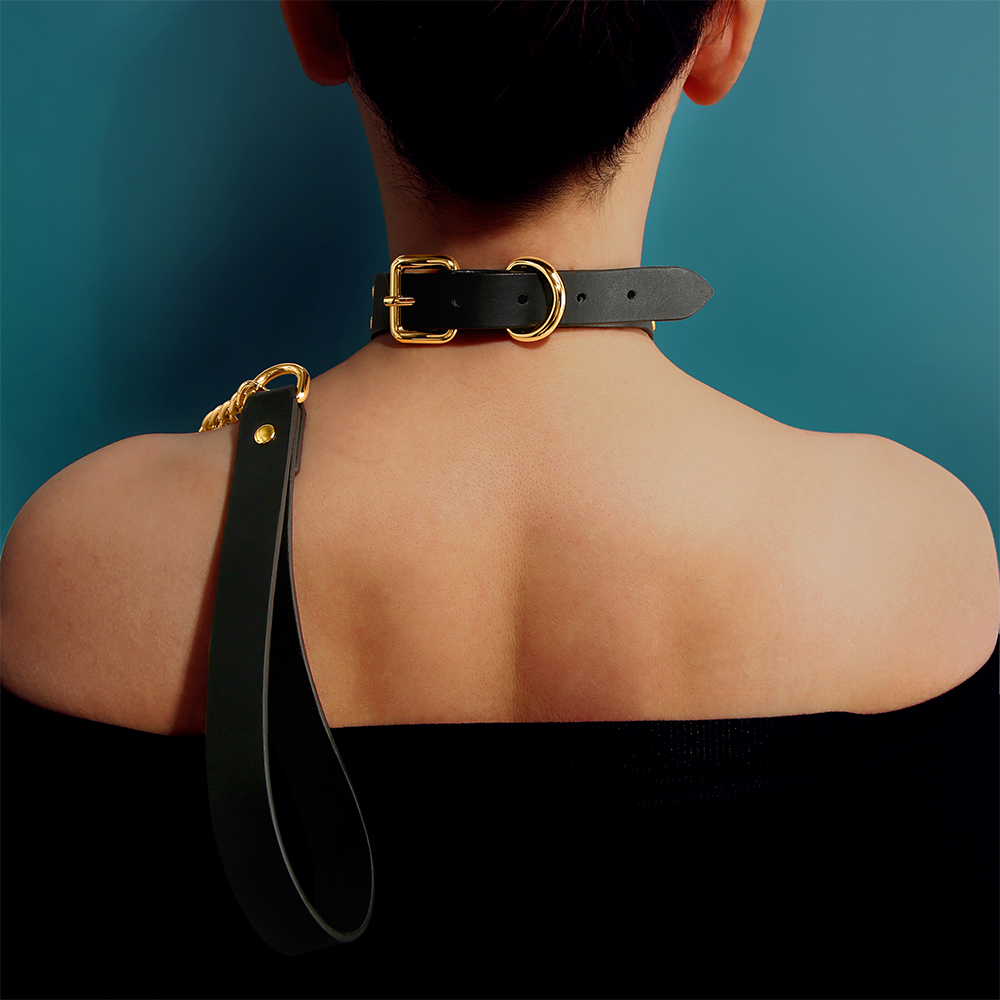
Best Bondage Restraint Manufacturer Partner for Lingerie Brands
1. The Luxury BDSM Manufacturing Value Proposition: Positioning and Core Competencies
The market for high-end fetishwear and Bondage Restraint accessories is rapidly converging with the luxury lingerie and high-fashion sectors. As a China-based manufacturer specializing in luxury leather goods, Zaoyi Bondage (bondagerestraint.com) is uniquely positioned to serve this niche, leveraging its existing high-tier clientele, such as Maison Close and Savage X Fenty, to define a superior value proposition.
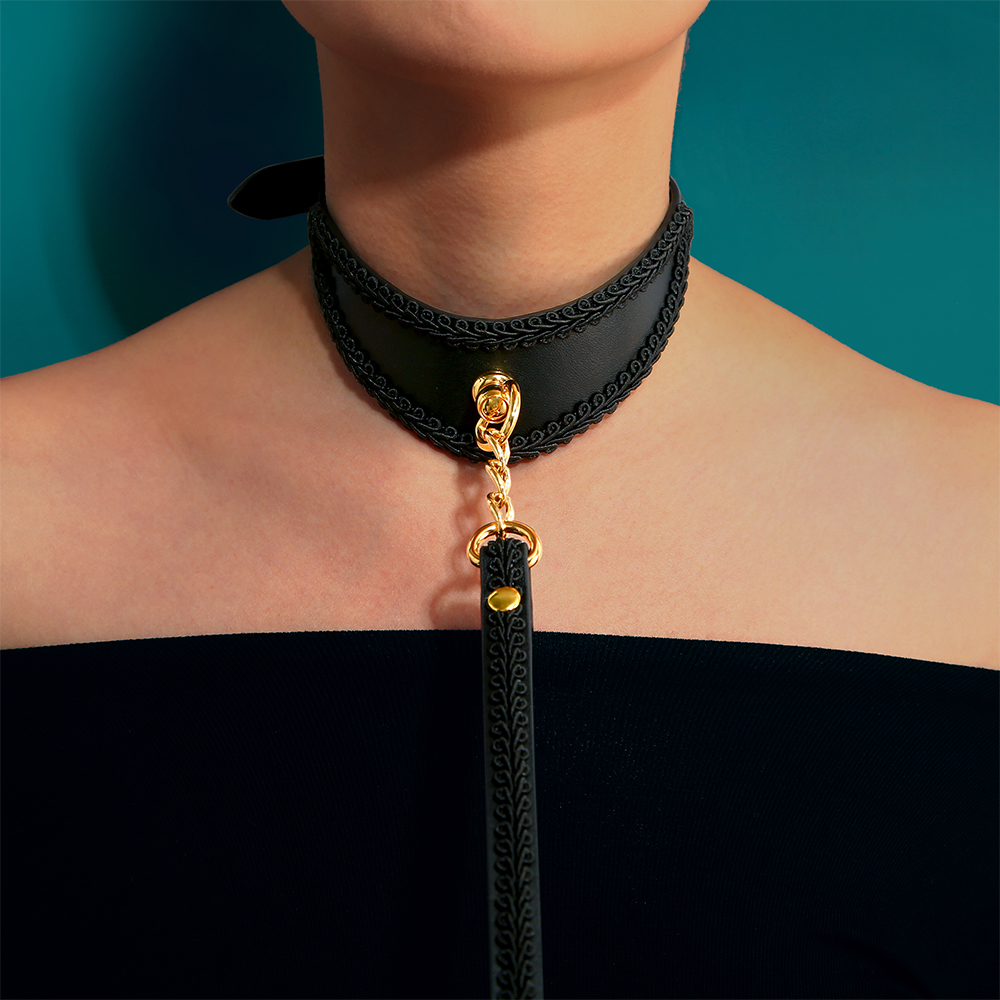
Our core competency lies in the precise execution of complex leather designs, specifically tailored for boutique and mid-tier production volumes. This specialization requires a mastery of materials and craftsmanship that transcends standard accessory manufacturing. For instance, high-end partners like Agent Provocateur (AP) specify the use of Italian-grade leather—often cow leather with a patent finish—and soft linings, such as nubuck, to ensure both aesthetic appeal and wearer comfort (L1). Zaoyi Bondage’s ability to source, process, and integrate these premium materials, coupled with expertise in specialized hardware integration (e.g., adjustable buckle fastening), positions us as a critical link in the luxury supply chain.

Our manufacturing profile is optimized for flexibility, catering to brands that require high-quality, low-volume runs rather than mass production. The market analysis of accessory companion pieces for major brands indicates frequent stock depletion and slow replenishment across limited size ranges (e.g., S/M and M/L), strongly suggesting a production model in the low hundreds per SKU per collection drop (L3). This boutique volume model is precisely where Zaoyi Bondage excels, offering the agility and quality control necessary for high-margin, limited-edition Bondage Restraint collections.
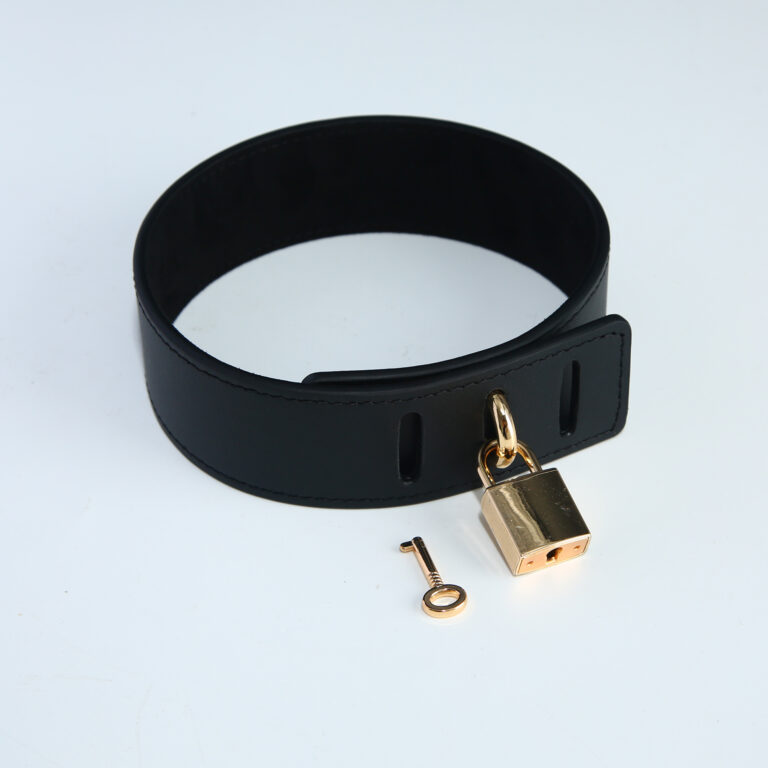
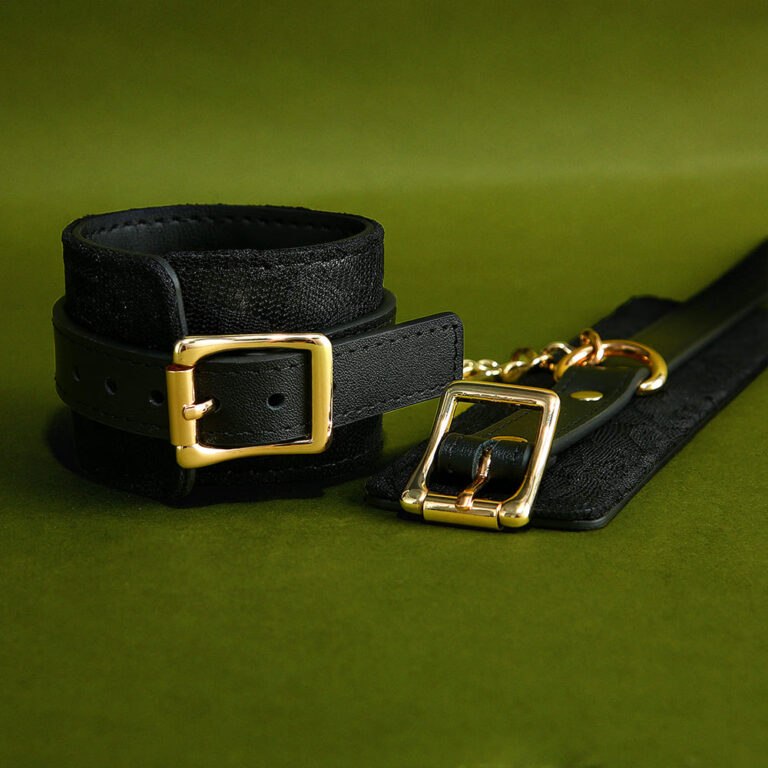
Furthermore, our product portfolio, ranging from intricate harnesses and cuffs to specialized items like the Luxury Gothic Handcuffs [https://zaoyiarch.com/luxury-gothic-handcuffs-2025/] and the Elegant T-Chain BDSM Collar [https://zaoyiarch.com/chain-bdsm-collar/], demonstrates the breadth of our technical capability. This deep specialization in Bondage Restraint gear allows us to offer technical consultation and material innovation that general leather goods manufacturers cannot match.
2. Strategic Partner Identification: High-Fashion Lingerie Brands Aligned with Luxury Leather Restraints
Identifying optimal strategic partners requires targeting brands that exhibit a clear demand for high-quality, ethically sourced, and boutique-volume leather accessories. The ideal partners are those currently operating in the high-fashion luxury and specialized fetish segments whose existing supply chains show vulnerabilities or gaps that Zaoyi Bondage can proactively fill.
2.1. Primary Target Profiles and Volume Inference
| Target Entity | Strategic Fit & Volume Profile | Key Technical Requirements | Competitive Advantage for Zaoyi Bondage |
|---|---|---|---|
| Agent Provocateur (AP) | Mid-tier volume, high-revenue (£36M+), but accessory lines suggest boutique production (L1, L3). | Italian leather, soft nubuck lining, adjustable buckle systems, Sedex compliance (L1). | AP has a documented ethical vulnerability, specifically “no evidence it traces any animal product [leather] to the first stage of production” (L2). Zaoyi can offer Level 3+ supply chain transparency and verifiable LWG/SMETA compliance to directly address this gap. |
| Provocateur Shop | Extreme boutique volume, highly specialized (30-50 SKUs), offering “tailor-made options” and a “lifetime warranty” (L4). | Iconic light gold plating (nickel-free), body-safe/toxic chemical-free leather, integration of heavy-duty, custom-sourced steel hardware (L5). | The “lifetime warranty” demands superior, verifiable quality control. Our technical capability must include advanced, certified metal plating (e.g., PVD or high-quality electroplating) and ensuring all materials are REACH/RoHS compliant for body-safe wear (L5). |
| Fleur du Mal (FDM) | Major luxury brand (Net-a-porter presence). Focuses sustainability efforts on textiles (Portugal sourcing) but is opaque on leather accessory manufacturing (L7). | High-end aesthetic alignment, seamless integration into existing luxury supply chain narrative. | The lack of public detail on their leather supply chain presents a clear outsourcing opportunity. We can present a complete, transparent Bondage Restraint accessory solution that mirrors their existing luxury compliance standards (L7). |
2.2. Competitive Benchmarking and Positioning
The competitive landscape for boutique leather manufacturing, particularly in Europe, emphasizes low Minimum Order Quantities (MOQs), Italian material quality, and hand-crafting/specialized stitching (L6). Zaoyi Bondage must position its value proposition as offering this European-level quality and flexibility—including the ability to support extremely low MOQs for custom items—but with the scalability and cost-efficiency inherent to a sophisticated China operation (L6).
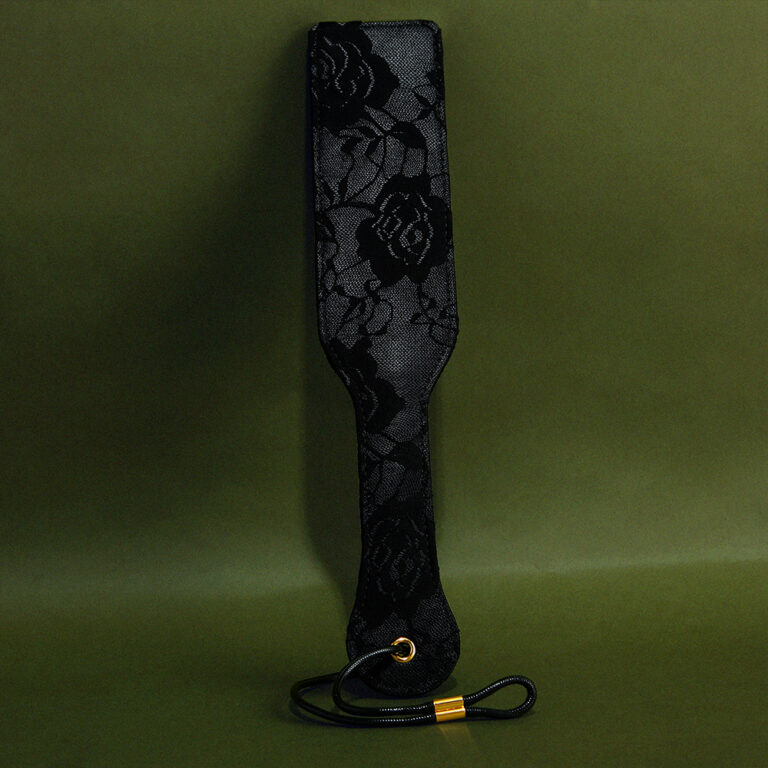
For brands seeking specialized Bondage Restraint items, the ability to execute complex designs, such as the Cowboy BDSM Collar [https://zaoyiarch.com/cowboy-lace-bondage-bdsm-collar/] or the Elegant Bondage Cuffs [https://zaoyiarch.com/elegant-bondage-cuffs/], with precision and consistency is paramount.
3. Dual-Model Partnership Strategy: Optimizing OEM Execution and ODM Design Collaboration
To secure deeper, higher-margin partnerships, Zaoyi Bondage must transition from a purely OEM (Original Equipment Manufacturer) role—focused solely on precise execution of client designs—to a strategic ODM (Original Design Manufacturer) partner, offering proactive design input and material innovation. This Dual-Model Strategy is a proven trajectory for high-end manufacturing firms seeking to capture greater value (L27).
3.1. The OEM Foundation: Operational Rigor
The OEM function remains the revenue backbone, requiring flawless execution of client specifications. This includes:
- Material Sourcing: Guaranteeing the use of specified materials, such as Italian-imported leather and nickel-plated hardware, as benchmarked by competitors (L6).
- Technical Execution: Delivering specialized finishes, such as the “iconic light gold plating” (nickel-free) required by niche brands (L5).
- Quality Assurance: Maintaining a rework rate significantly lower than regional competitors (China benchmark is 3% to 5% rework rate) (L15).
3.2. The ODM Leap: Innovation and IP Strategy
The ODM model requires investment in R&D, capability development, and customer-centric innovation (L28). For luxury Bondage Restraint accessories, this innovation should focus on two key areas:
A. Proprietary Material Innovation: Luxury brands, exemplified by the Kering Group’s Materials Innovation Lab, are heavily investing in certified-sustainable and biofabricated materials (L29). Zaoyi Bondage should proactively develop and present proprietary, eco-friendly alternatives to traditional leather, such as mushroom-based leather (Mycoworks proxy), to secure partnerships with sustainability-focused luxury houses (L29). This material innovation is a direct route to higher-margin ODM contracts.
B. Intellectual Property (IP) Protection Framework: When engaging in co-development (ODM), robust IP protection is non-negotiable, especially when operating from a China base.
- Contractual Override: Chinese law defaults to favoring the party that achieves “practical implementation” (the factory) over the party that merely provides the “idea” (the brand) (L22). Therefore, every co-development agreement must include a comprehensive, explicit written contract that assigns or co-owns the newly developed IP, overriding this default legal position (L22).
- Design Protection: For ornamental designs of Bondage Restraint items, Design Patents (Industrial Designs) are the preferred protection mechanism, as they do not require proof of secondary meaning, allowing for immediate enforcement (L23).
- Trade Secret Enforcement: Technical secrets, such as proprietary manufacturing methods, specialized hardware integration techniques, or unique material treatments, must be protected as trade secrets. Recent high-profile judicial rulings in China signal a determination to award “high compensation” and “strict protection” for technical secrets, reinforcing the enforceability of these protections (L24, L25).
- Blended IP Management: Co-development often layers new IP over underlying IP independently developed and owned by Zaoyi Bondage. The agreement must explicitly define the licensing terms for the brand’s use of the factory’s pre-existing underlying technology (e.g., a perpetual, royalty-free license restricted solely to the manufacture of the co-developed product) to prevent future disputes (L22).
This strategic approach, supported by a robust legal framework, allows Zaoyi Bondage to market its design originality and ethical craft, similar to successful Chinese brands leveraging digital storytelling to transform their manufacturing expertise into a cultural narrative (L30).
4. Luxury Leather Supply Chain Integrity and Ethical Sourcing Compliance
For high-fashion brands, compliance is not merely a legal requirement; it is a core brand value and a prerequisite for partnership. As a China-based manufacturer, Zaoyi Bondage must demonstrate verifiable, proactive compliance that exceeds the industry baseline, particularly concerning leather sourcing and labor standards.
4.1. Mandatory International Compliance Standards
A. Environmental and Traceability (Tier 2 Tannery): The non-negotiable environmental standard for tanneries supplying luxury leather is the Leather Working Group (LWG) Gold Medal rating (85-100% score) 2. The current protocol, LWG P7, is a comprehensive ESG assessment. Crucially, the LWG protocol includes two automatic failure points that must be rigorously managed:
- Restricted Substances: Detection of Chromium VI (hexavalent chromium) above $3 \text{ mg/kg}$ results in automatic failure 9.
- Exotic Material Traceability: Failure to demonstrate 100% traceability to legal sources for any exotic materials used 10.
B. Social and Ethical Compliance (Tier 1 Manufacturer): The primary social compliance standard required for finished leather goods manufacturers is the SMETA (Sedex Members Ethical Trade Audit) 4-Pillar audit 4. This audit, benchmarked against the ETI Base Code and ILO Conventions, covers Labor Standards, Health & Safety, Environment, and Business Ethics 6.
4.2. Mitigating Critical China Audit Failure Points
The most common and significant non-compliance issues in Chinese manufacturing relate to labor standards, which must be proactively addressed to maintain high-tier client trust:
- Overtime Violation: The legal limit is 36 hours of accumulated overtime per month (9 hours/week) 9. Violations involving workers exceeding 70-80 total hours per week or working 20 consecutive days without a day off are critical non-compliances that lead to audit failure (L8).
- Wage Non-Compliance: Ensuring compliance with overtime pay regulations, specifically the legally-required 1.5 times the regular wage, is essential (L1).
4.3. Proactive Traceability and Digital Product Passports (DPP)
To future-proof the supply chain and offer the Level 3+ transparency demanded by luxury brands (L2), Zaoyi Bondage should adopt advanced traceability solutions:
- Blockchain Integration: Leverage shared, immutable ledger technology, such as the Aura Blockchain Consortium (LVMH, Prada, etc.) or platforms like Everledger, to provide verifiable provenance for every piece of Bondage Restraint gear 4.
- Physical-Digital Authentication: Implement forensic-level traceability by combining molecular tagging (e.g., Applied DNA Sciences’ CertainT) with blockchain platforms. This creates a physical and digital chain of custody for leather goods (L4).
- EUDR and DPP Compliance: The upcoming European Union Deforestation Regulation (EUDR) mandates supply chain mapping down to the farm/slaughterhouse level for products entering the EU (L12). Blockchain technology is ideally suited to support the resulting Digital Product Passports (DPP), which will soon be required to provide consumers with verifiable sustainability credentials (L14).
5. Operational Excellence and Lead Time Optimization for Boutique/Mid-Tier Orders
Operational excellence in the luxury Bondage Restraint sector is defined by the ability to manage a High-Mix, Low-Volume (HMLV) production environment efficiently, maintaining competitive lead times and quality consistency for high-value boutique orders.
5.1. Lean Adaptation and Setup Time Reduction
Traditional Lean principles must be adapted for HMLV. Key strategies include:
- Cellular Manufacturing: Grouping similar processes (e.g., cutting, stitching, hardware assembly for Cuffs or Collar items) reduces material transportation time and increases production flexibility (L11).
- Advanced Planning and Scheduling (APS): Utilizing APS systems is critical for creating stable production schedules and implementing Load-Leveling Techniques to distribute work evenly across flexible resources, mitigating the schedule volatility common in high-mix operations (L10).
- SMED (Single-Minute Exchange of Dies): Frequent changeovers between different SKUs (e.g., switching from a Fetish Ankle Cuffs run to a Luxury Bondage Straps Set run) are a major source of downtime. Implementing SMED techniques, standardizing changeover procedures, and investing in quick-change tooling are crucial for enhancing throughput and shortening lead times (L12, L13).
5.2. Lead Time Benchmarking and Productivity Advantage
Zaoyi Bondage’s China base offers a significant speed and cost-effectiveness advantage over European counterparts, particularly for HMLV production:
- Competitive Lead Times: Lead times for manufacturing and delivery of leather goods from China typically range from 4 to 8 weeks (L14). This contrasts favorably with the 4 to 8 months average lead time for general luxury fashion apparel produced in Europe (L16).
- Skilled Labor Productivity: Skilled Chinese workers can finish approximately 30 leather bags a day, compared to an average of 15 to 20 for Southeast Asian workers, resulting in a lower per-unit labor cost despite higher hourly wages (L15). This productivity advantage, combined with a low rework rate (3% to 5%), significantly reduces hidden costs and ensures quality consistency for complex Bondage Restraint items (L15).
5.3. Digital Transformation: The Digital Twin Advantage
To achieve true operational excellence and support mass personalization, Zaoyi Bondage should invest in Digital Twin-based Production Optimization Systems (DTPOS).
- Functionality: A Digital Twin acts as a virtual replica, integrating with and enhancing existing ERP and MES systems. It uses real-time data to perform predictive analytics, dynamic bottleneck detection, and what-if scenario analysis (L20).
- Quantifiable Improvement: Implementation of a DTPOS has been shown to result in a 52.63% reduction in the average order processing time for small orders (L17, L18). This capability is essential for maintaining competitive lead times for boutique clients.
- SME Solution: For managing the complexity of high-mix production without the overhead of oversized systems, specialized, dynamic scheduling software like “just plan it” can provide a visual, accurate production schedule, demonstrating a 30% – 40% improvement in on-time delivery (L21).
6. Anticipatory Market Expansion: Emerging Trends in Integrated Fetishwear and Luxury Accessories
Future growth vectors for Zaoyi Bondage lie in the integration of advanced technology into Bondage Restraint gear and strategic diversification into adjacent luxury leather markets.
6.1. The Future of Integrated Fetishwear: Smart Textiles and Haptics
The next generation of luxury Bondage Restraint accessories will integrate technology seamlessly, moving beyond simple vibration to offer nuanced, multisensory experiences.
- Multisensory Haptic Feedback: The trend is shifting toward delivering more than one type of touch stimulus simultaneously, including sensations of pressure, texture, and temperature (L32). This requires integrating advanced actuation technologies like polymeric actuation (changing shape/texture) and thermal actuation (warming/cooling) (L32).
- Advanced Haptic Fabric: Research into innovations like the Wearable Haptic Auxetic Fabric (WHAF), which uses a Shape-Memory Alloy (SMA) knot-architecture, is critical. This technology overcomes the “haptic bottleneck” by generating complex spatiotemporal haptic patterns with outstanding conformability, making it ideal for integration into luxury leather goods like the Luxury BDSM Harness Lingerie [https://zaoyiarch.com/bdsm-harness-leather-lingerie/] (L33).
- AI and Biometric Integration: Future products will feature AI-enhanced personalization, adapting haptic feedback to an individual’s sensitivity and preferences (L36). This requires integrating biometric sensors (e.g., heart rate, skin conductance) into the leather accessories, establishing a precedent set by other luxury smart accessories (L34).
- Manufacturing Hurdle: The primary challenge is embedding flexible electronics and haptic components while preserving the subtle tactile cues and premium construction of the leather, such as the edge finishing and seamless transitions (L36). Rigorous testing for biocompatibility and electromagnetic compatibility (EMC) for close-proximity wearables will be necessary (L32).
6.2. Strategic Diversification into Adjacent Luxury Accessories
Leveraging existing expertise in high-quality leather and robust hardware, Zaoyi Bondage can diversify into adjacent luxury markets with minimal friction.
A. Luxury Pet Accessories: The global luxury pet accessories market is projected to reach USD 48.5 Billion by 2034 (L37). This market is a natural fit due to the high overlap in material and hardware requirements:
- Material Transferability: The manufacturer’s existing quality control, proxied by Full-Grain leather with a tensile strength of 1,500–2,000 PSI, significantly exceeds general durability requirements for luxury dog collars, offering a competitive advantage in raw material selection (L41).
- Hardware Transferability: High-end dog collars and leashes mandate cast solid brass or stainless steel hardware (L43). This aligns perfectly with the high-precision, non-welded, and robust hardware integration skills already necessary for luxury Bondage Restraint gear.
- White-Label Opportunity: Targeting US and European boutique brands (e.g., Handcraft Collars, PetLondon) that require private labeling with confidentiality and low MOQs (100–300 pieces) offers a viable path for immediate market entry (L46, L49).
B. Specialized Travel Goods: The luxury luggage tag market, exemplified by brands like ROYCE New York, requires the same artisan skills used in Bondage Restraint production: handcrafted full-grain leather, high-quality hardware, and bespoke personalization via hot stamping and embossing (L44). This segment offers a low-risk diversification path utilizing existing finishing techniques.
Proactive Suggestion: Launching a Micro-Brand Incubator
To accelerate the ODM transition and test new market segments (like luxury pet accessories or smart fetishwear), Zaoyi Bondage should establish a Micro-Brand Incubator utilizing its low-MOQ capabilities. This allows the company to launch its own specialized boutique brands (e.g., a high-end pet collar line or a smart Bondage Restraint line) with minimal initial capital outlay and inventory risk (L49). This strategy provides direct market feedback, builds internal design IP, and serves as a powerful case study to attract larger ODM clients.