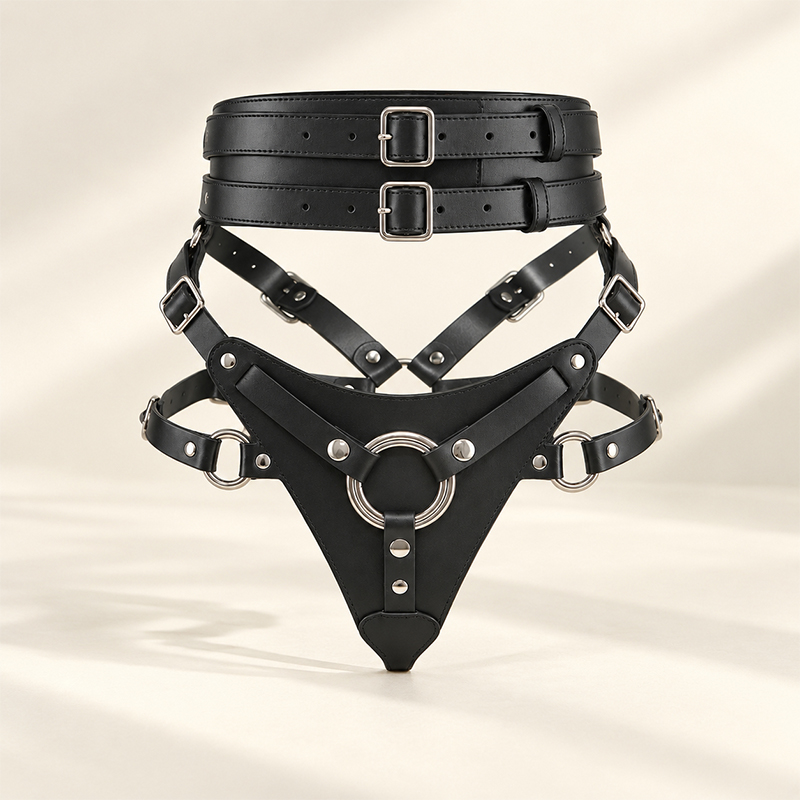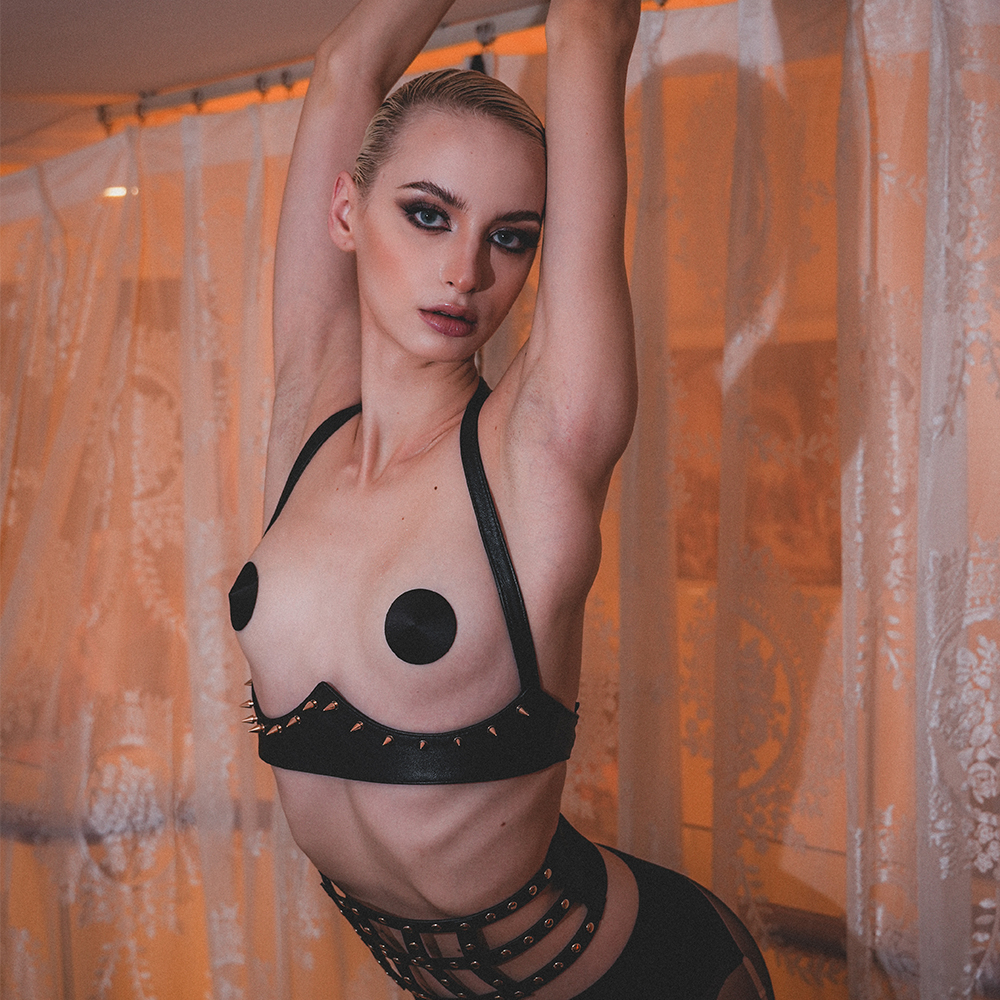

BDSM Neck to Wrist Restraints Bondage Set Adjutable Ankle Cuffs

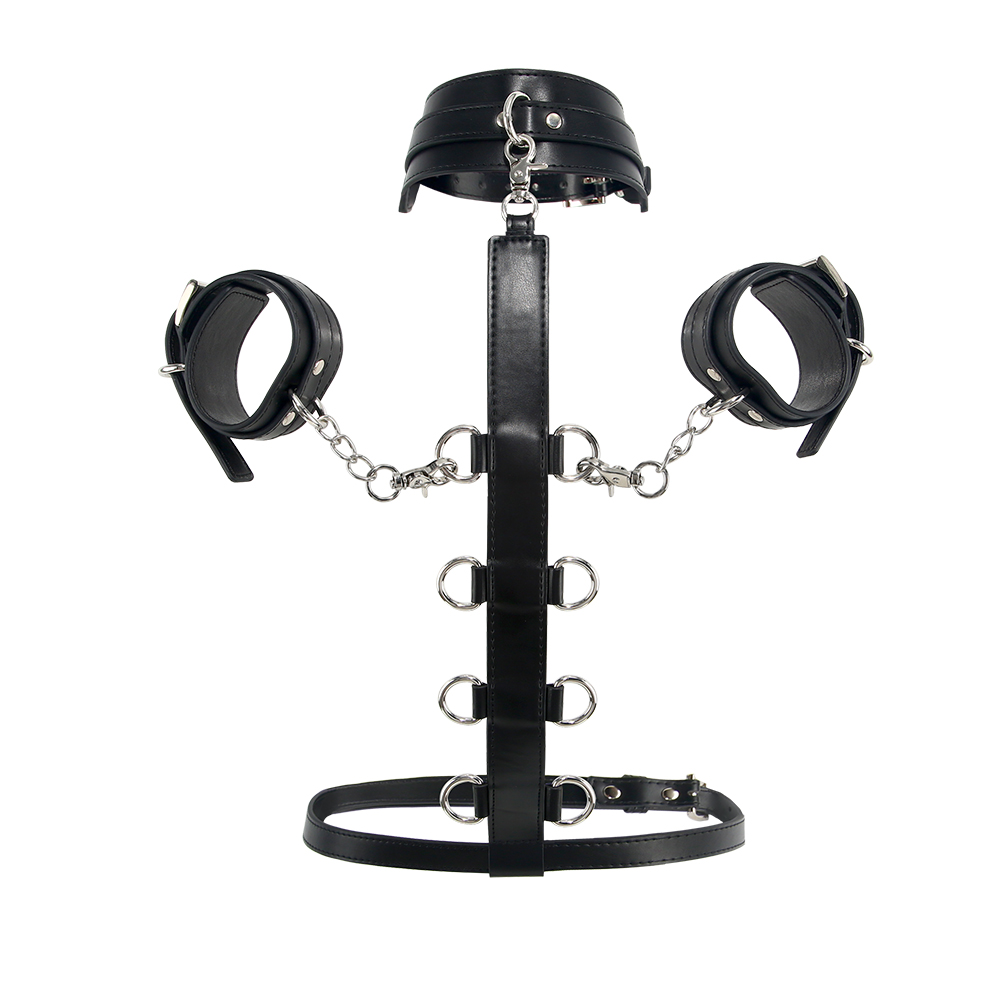
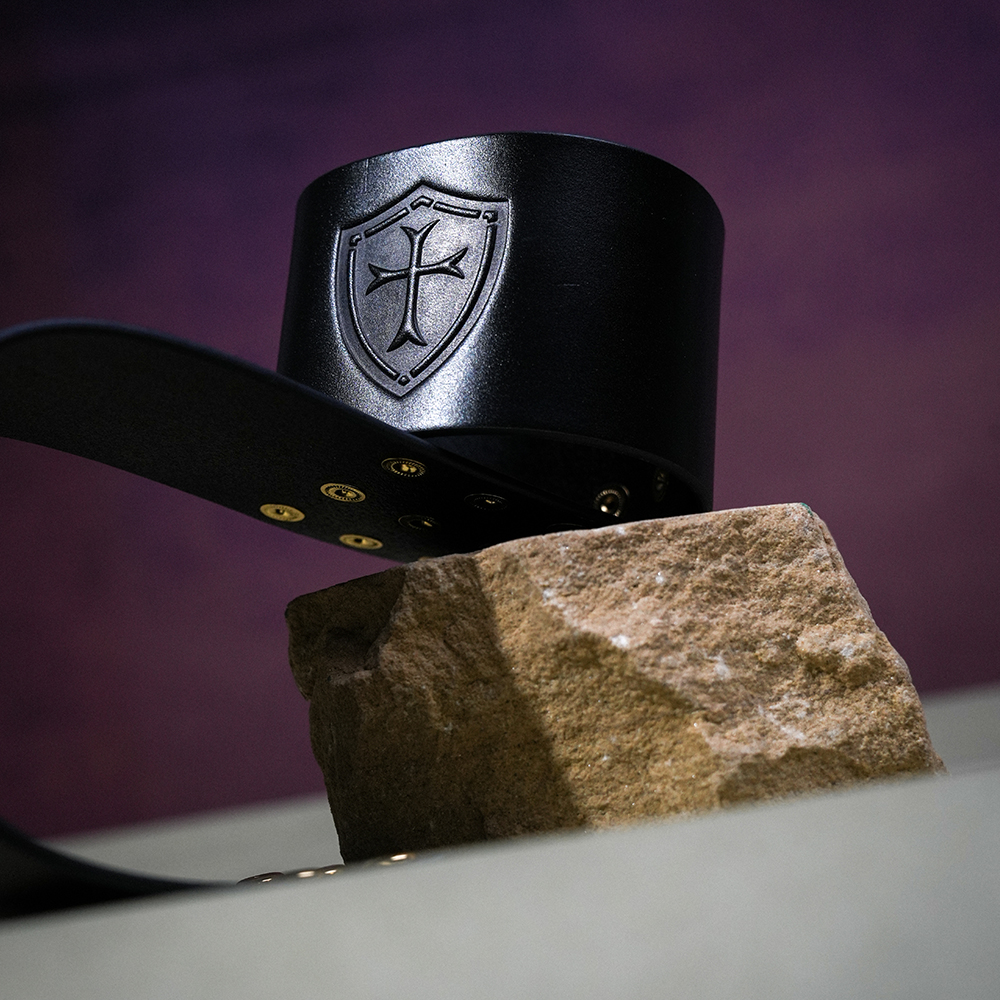
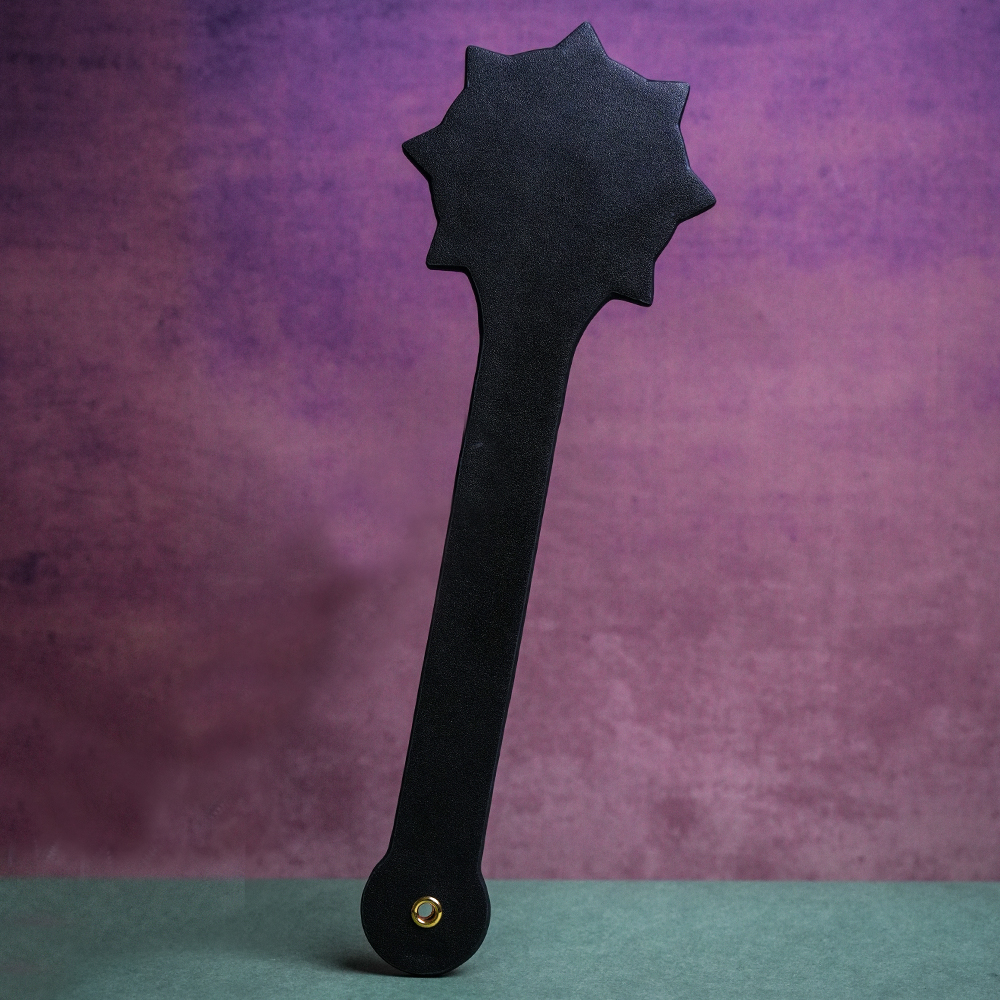
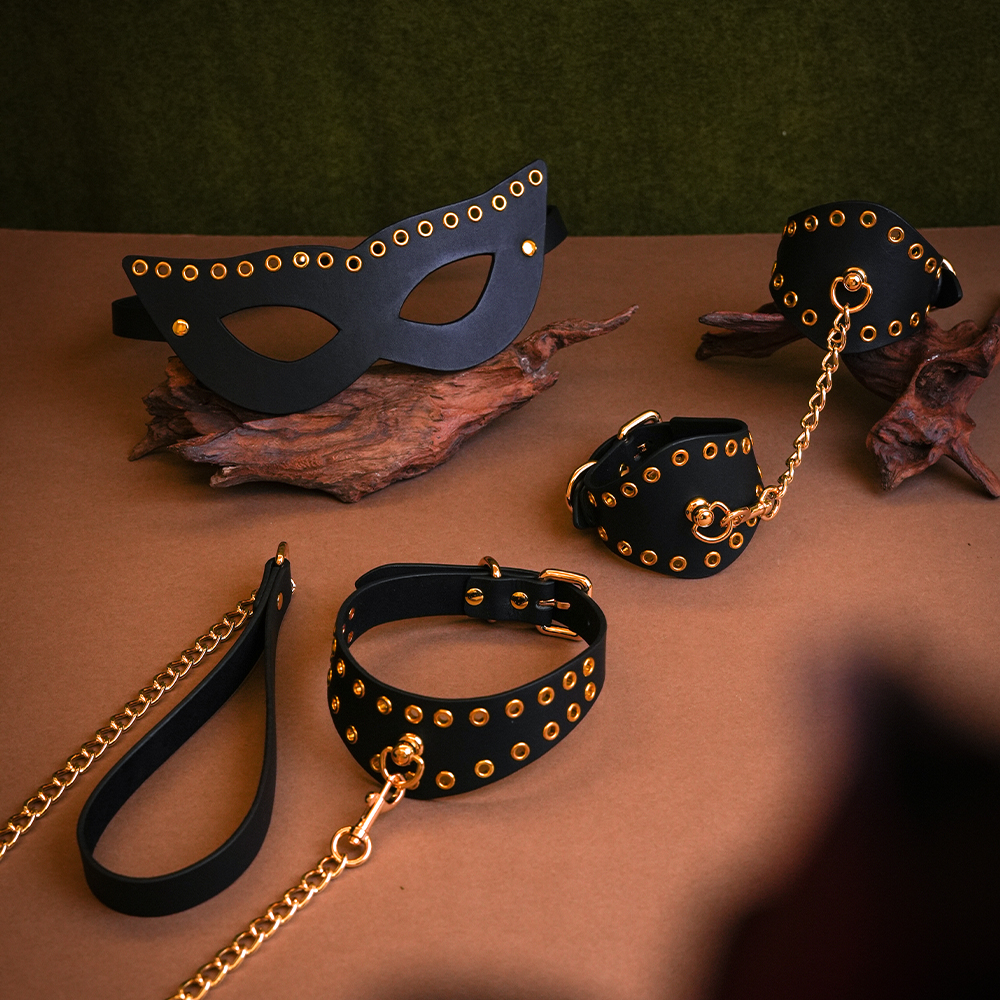
| DESCRIPTION | This premium vegan leather restraint system, as illustrated in the image, offers a sophisticated multi-point connection that seamlessly links the neck, wrists, and waist to provide comprehensive postural control and sensory immersion. Designed with modularity in mind, the set features heavy-duty D-rings and quick-release spring hooks that allow for both full-body integration and independent use of the individual components. Crafted from high-quality, cruelty-free PU leather, it ensures a lightweight and skin-friendly experience that is as durable and easy to maintain as it is visually striking. |
| MATERIAL | PU/ CUSTOMIZED LEATHER |
| METAL | SILVER |
The introduction of the Zaoyi Bondage Neck-to-Wrist Restraints marks a strategic entry into the high-performance luxury fetish market. This report provides a comprehensive, expert-level analysis of the product’s engineering, material science, and market positioning, leveraging established standards from the leather goods, safety, and high-end apparel industries. The objective is to validate the product’s claim to luxury status through quantifiable metrics of durability, comfort, and structural integrity, specifically focusing on the critical elements of the restraints Bondage system.
1.0 Zaoyi Bondage: Strategic Luxury Positioning and Product Overview
Zaoyi Bondage is strategically positioned not merely as a retailer, but as a manufacturer leveraging deep expertise in high-volume, high-quality functional apparel manufacturing—specifically, the B2B wholesale supply of complex lingerie and specialized garments 1. This background provides a critical advantage: the ability to apply rigorous quality assurance protocols and scalable production techniques, typically reserved for global apparel brands, directly to the niche luxury restraints of the bondage sector.
1.1 Defining the Luxury Niche and Target Demographic
The target demographic for the Neck-to-Wrist set is the highly discerning analyst and high-net-worth individual who demands technical perfection alongside aesthetic refinement. This segment views restraints Bondage gear as investment-grade luxury goods, requiring durability metrics comparable to heirloom luggage or high-performance safety equipment.
Zaoyi’s positioning is built on three pillars:
- Manufacturing Excellence: Applying the B2B standard of “impressive product quality” and “innovation in design” to the fetish market 1.
- Discreet Partnership Model: The current absence of public, indexed information linking “Zaoyi” to “luxury bondage restraints” suggests a deliberate strategy common among high-end OEM/ODM providers: maintaining a low public profile to protect the identity of potential global luxury partners 1. This discretion is itself a luxury value proposition.
- Engineered Performance: Moving beyond simple aesthetics to quantify performance, particularly in dynamic load scenarios (Sections 3.0 and 4.0).
1.2 Product Architecture and System Integration
The Neck-to-Wrist system is a complex assembly requiring seamless integration between three primary components: the neck collar, the adjustable wrist/ankle cuffs, and the connecting chain/strap system. This set is designed to be modular, integrating with other high-end pieces in the Zaoyi collection, such as the Restraints Bondage set and various Zaoyi Restraint bondage Kits. The core challenge is ensuring that the adjustable cuffs, which must accommodate a wide range of wrist/ankle sizes, maintain structural integrity under the high tensile forces inherent in restraints and restraints Bondage play.
2.0 Premium Leather Selection and Tactile Engineering
The foundation of the Zaoyi luxury claim rests on the selection and treatment of the leather, specifically full-grain aniline leather. This material choice is critical for achieving the desired luxury aesthetic, tactile comfort, and long-term durability required for high-contact restraints Bondage applications.
2.1 Material Specification and Thickness Tolerance
To ensure both structural integrity and comfort, the leather must fall within a precise thickness range. Based on analogous luxury goods (e.g., high-end duffels), the optimal thickness for structured, high-stress leather components is 1.8mm to 2.2mm (approximately 4.5 to 5.5 oz) 2. This density resists tearing and stretching over decades of use, a key metric for durability. High-quality manufacturing processes must maintain a tight thickness tolerance, ideally $\pm 0.05\text{mm}$, achievable through precision mechanical splitting 2.
2.2 Tanning Process and Hypoallergenic Properties
The tanning process is paramount for skin-contact applications:
- Vegetable-Tanned (Veg-Tan) Preference: While chrome-tanned leather is common for its softness and water resistance, veg-tan is the preferred process for extended, intimate skin contact 7. Veg-tanning uses natural tannins (e.g., chestnut, oak bark), significantly reducing the risk of chromium salts oxidizing into toxic compounds, which is a major concern for hypoallergenic and long-term wear applications 9.
- Aniline Finish and Breathability: The full-aniline finish, defined by the absence of a heavy protective topcoat, allows the leather to retain its natural pores. This results in unparalleled comfort and breathability, quantified by a natural moisture vapor transmission rate (MVTR) and approximately $10-15\%$ absorption 11. This active moisture management prevents heat and moisture buildup, a critical comfort factor during extended use of the restraints Bondage set.
2.3 Mechanical Performance and Long-Term Vulnerability
The chosen leather must meet stringent mechanical standards:
- Tensile Strength: Full-grain leather should exhibit a Tensile Strength exceeding $30\text{ MPa}$, with an ideal technical parameter for the assembly being a minimum of $\ge 800\text{ N}$ 5.
- Stitch Tear Resistance: The leather must demonstrate a Stitch Tear Resistance (ISO 23910) of $\ge 80\text{ N}$ to ensure the integrity of the cuff attachments 6.
However, the full-aniline finish introduces a significant long-term vulnerability: chemical breakdown from body oils and perspiration 13. These substances, containing salts and fatty acids, penetrate the porous leather, weakening the collagen fibers and leading to irreparable damage, staining, and cracking 14.
2.4 Proactive Maintenance Protocol
To mitigate this vulnerability and uphold the luxury standard, Zaoyi must mandate a strict maintenance protocol:
- Cleaning Agents: Exclusive use of pH-balanced cleaners and conditioners specifically formulated for aniline leather 14. Standard household cleaners or solvents must be strictly avoided.
- Frequency: A thorough cleaning and conditioning service is recommended every 3 months, with immediate blotting (never rubbing) of any spills 14.
- UV Mitigation: The application of a specialized UV barrier protection product is suggested to slow color fading and drying, major vulnerabilities of aniline leather 15.
3.0 Adjustable Cuff Mechanism and Dynamic Load Performance
The adjustable cuff mechanism is the primary functional component of the restraints Bondage set, requiring a precise balance between user adjustability and security under dynamic load. The analysis focuses on quantifying the failure points within the target “playing strengths” range of 500 N to 1500 N.
3.1 Quantifying Structural Integrity (500 N to 1500 N)
The adjustable cuffs, such as the Fetish Ankle Cuffs and Leather Bondage Cuffs, typically rely on a roller buckle system. The critical failure points are the leather pin-hole and the structural integrity of the buckle pin itself.
| Failure Mode | Applicable Standard/Methodology | Required Performance Metric (Target Range) |
|---|---|---|
| Leather Pin-Hole Tear | ASTM D4831-00 (Buckle Tear Strength) / ISO 3377-2:2016 | Must exceed 1500 N (337 lbs) without tearing the leather around the pin-hole 21. |
| Assembly Breaking Force | SATRA TM181 (Strength of buckle and strap attachments) | The entire assembly (strap, stitching, buckle) must maintain cohesion up to 1500 N 24. |
| Buckle Pin Shear Load | Analogous to bearing failure analysis | The pin material (e.g., solid brass or stainless steel) must withstand the shear force generated by 1500 N of tensile load 28. |
The ASTM D4831-00 standard is the primary methodology for determining the load required to tear the leather strap fastened in the buckle, providing the objective metric for the failure point of the leather component 22.
3.2 Failure Mode Analysis and Material Fatigue
Engineering analysis identifies three major failure modes for buckle mechanisms under stress: Inertial Release, False Latch, and Structural Overload Failure 26. For the Zaoyi restraints Bondage set, the focus is on preventing structural overload failure within the specified range.
- Pin Failure: Failure of the roller pin is often attributed to fatigue cracks initiated by improper material processing or welding 29. High-quality manufacturing must utilize solid, non-welded pins made from high-yield-strength alloys (e.g., marine-grade stainless steel or solid brass) to prevent this.
- Environmental Fatigue: The product must withstand environmental stress, particularly from skin contact. Testing protocols must include:
- Artificial Sweat Resistance: Utilizing standards like NF S80-77 to assess the long-term impact of perspiration on both the leather and the metal hardware 30.
- Damp Heat Tests (ISO 4611): To simulate climatic stress and its effect on material degradation 30.
- Durability Cycle Testing: Repeated opening and closing of the buckle to test for deformation over the product’s lifecycle 23.
4.0 Neck-to-Wrist System Architecture and Hardware Integrity
The connecting architecture—the link between the neck collar and the wrist/ankle cuffs—is the most critical safety element. It requires hardware that is structurally sound under dynamic tension while offering a reliable, single-handed emergency release mechanism.
4.1 Quick-Release Mechanism Selection: Security vs. Safety
For a neck restraint, the ability to execute an emergency release is non-negotiable. The choice of quick-release hardware must balance high load capacity with ease of third-party activation.
| Mechanism | Load Capacity (Max) | Emergency Release Under Load | Aesthetic/Material | Suitability for Neck Restraint |
|---|---|---|---|---|
| AUSTRIALPIN COBRA® | 18 kN (9 kN straight pull) 35 | Cannot be opened under load (Fail-proof design) 35 | CNC-machined 7075 Aluminum, Anodized 37 | Unsuitable (Unless specialized “Open Under Load” variant is used) 38 |
| FIDLOCK HOOK Buckle | $\approx 200\text{ kg}$ (450 lbs) 40 | Excellent (Single-handed slide/pull activation) 39 | Magnetic-mechanical, Low-profile, Certified 41 | Optimal (High security, critical safety release) |
The AUSTRIALPIN COBRA® buckle, while offering extreme load capacity (up to 18 kN), is fundamentally designed to be fail-proof, meaning it cannot be opened under tension 35. This is a critical safety feature in fall protection but a fatal flaw in a neck restraint where emergency release under tension is paramount.
The FIDLOCK HOOK Buckle is the superior choice for this application. It provides a high-security, magnetic-mechanical latch with a tested load capacity of up to 450 pounds (200 kg), which is more than sufficient for non-life-safety restraints Bondage applications 40. Crucially, its design allows for single-handed connection and disconnection via a simple slide or pull, enabling a third party to execute an emergency release quickly and reliably 39.
4.2 Hardware Material and Finish
The hardware must match the luxury standard of the leather. Both COBRA and FIDLOCK offer components made from high-grade materials, often CNC machined from 7075 aluminum alloy with brass or stainless steel internal components 36. Zaoyi must specify custom anodized finishes (e.g., matte black or polished gunmetal) to ensure aesthetic consistency and superior corrosion resistance compared to standard plated zinc alloys (ZAMAC), which are prone to tarnishing 51.
The connecting elements, such as the chain or strap, must be engineered to prevent cross-loading failure modes common in carabiners, where loading the gate side can reduce breaking strength by up to 50% 44. The design of the Zaoyi Chain-Collar must ensure fixed-loop attachment points that distribute dynamic tension loads axially.
5.0 Comparative User Review Analysis and Market Perception
To validate the Zaoyi luxury positioning, a comparative analysis against established high-end leather brands (Saddleback, Coach, Portland Leather Goods) provides a benchmark for perceived value, durability, and customer experience.
5.1 Durability and Finishing Quality Benchmarks
User perception of durability is heavily influenced by finishing techniques, not just material thickness.
- The Finishing Gap: Brands like Portland Leather Goods (PLG), despite using thick, full-grain leather, are often criticized for raw/unfinished edges and simple construction, leading to a perception of “entry-level” quality 50. This is a critical benchmark Zaoyi must surpass.
- Luxury Finishing Standard: Zaoyi must adopt superior finishing techniques, such as the use of pigskin suede lining for internal reinforcement (as seen in Saddleback) and meticulously finished, painted, or rolled edges 52.
- Hardware Perception: Coach is consistently lauded for its superior, “solid” feeling hardware, which significantly contributes to its perception as the “best mid priced brand” 51. Zaoyi’s use of CNC-machined, high-grade metal hardware (as detailed in Section 4.0) is essential to meet this expectation and avoid the negative perception associated with easily tarnishing ZAMAC metal 51.
5.2 Value Proposition and Post-Sale Experience
In the luxury segment, the post-sale experience and warranty are key differentiators, acting as a quantifiable proxy for perceived value.
| Brand/Metric | Warranty/Guarantee | Service Value Proposition | Perception of Value |
|---|---|---|---|
| Saddleback Leather | 101-year warranty 45 | Extreme durability, “Heirloom” status | Highest perceived long-term value |
| Coach | 1-2 year warranty 46 | Complimentary lifetime leather care/cleaning 47 | Strong service-based value |
| Portland Leather Goods (PLG) | Lifetime Guarantee (Mfg. defects) 48 | Continuous sale model (Perceived manipulation risk) 50 | Entry-level value, high ethical risk |
Zaoyi Bondage must establish a warranty structure that signals confidence in its manufacturing quality, potentially mirroring Saddleback’s extreme durability claim or Coach’s high-touch service model, which includes complimentary care for items like the Elegant Bondage Cuffs or Luxury Gothic Handcuffs.
Furthermore, Zaoyi must avoid the post-sale friction points observed in some competitors, such as the inability to edit or cancel orders, which detracts significantly from the high-touch service expected in the luxury market 46.
5.3 Ethical and Sentiment Risk Mitigation
A critical learning from the comparative market analysis is that non-product factors, such as company ethics and transparency, pose a significant risk to the luxury value proposition 50. Zaoyi must ensure transparent sourcing and labor practices to mitigate the risk of negative user sentiment, which can rapidly erode trust and perceived value, regardless of product quality.
6.0 Manufacturing Quality Control and Scalability
Maintaining the luxury standard while scaling production requires stringent quality control (QC) protocols focused on precision stitching, material consistency, and the integration of advanced anti-counterfeiting technology.
6.1 Advanced Stitching and Structural Reinforcement
The integrity of the restraints Bondage set relies heavily on the stitching at high-stress attachment points.
- Stitching Technique: The Saddle Stitch (hand-stitching) remains the gold standard for critical, high-stress luxury leather goods because each stitch is independently secured, preventing catastrophic seam failure if a single stitch breaks 54. For scalable production, the 301 Lockstitch is used for aesthetic seams, but must be executed with high precision.
- Stitch Density (SPI): Quality control mandates a high Stitch-Per-Inch (SPI) count. For fine leather goods, a standard of 7 SPI (3.85 mm spacing) is common, with industrial machine stitching often ranging from 8 to 10 SPI for optimal seam strength and appearance 56.
- Thread Material: High-stress applications require high-tensile, abrasion-resistant thread, such as Bonded Nylon (for elasticity and shock absorption) or Xiange Twist (a high-performance polyester fiber with excellent fade resistance) 58.
- Reinforcement: Critical stress areas, such as the attachment points for the connecting chain on the Collar or the cuffs, must utilize Bar Tack stitches—dense zigzag stitches (typically 0.3-0.5mm length, 2-3mm width) to prevent tearing and ensure long-term structural integrity 57.
6.2 Non-Destructive Testing (NDT) Protocol
A robust QC protocol must integrate NDT methods to ensure the integrity of both the leather and the metal hardware before assembly.
| NDT Method | Component Focus | Purpose |
|---|---|---|
| Visual Testing (VT) | 100% of Leather and Hardware | Detect surface defects, corrosion, stitching errors, and deformation 32. |
| Liquid Penetrant Testing (PT) | Buckle Pin/Frame (Non-ferromagnetic) | Highly sensitive detection of surface-level cracks and fissures in metal components 33. |
| Magnetic Particle Testing (MT) | Buckle Pin/Frame (Ferromagnetic) | Detect defects near or on the surface of ferromagnetic materials 31. |
| Ultrasonic Testing (UT) | Leather-to-Buckle Attachment Point | Detect internal defects, cracks, or changes in material density at the critical interface 34. |
A proposed QC protocol involves 100% Visual Testing for all units, complemented by Batch MT/PT for statistical samples of the hardware, and Batch UT to verify the integrity of the stitching and riveting at the high-load attachment points.
6.3 Digital Authentication and Supply Chain Security
To combat counterfeiting and enhance the luxury experience, Zaoyi should proactively integrate digital authentication technology.
- NFC/RFID Integration: Embedding ultra-thin NFC (Near Field Communication) or RFID tags discreetly within the leather lining (e.g., in the Elegant T-Chain BDSM Collar) allows for real-time supply chain tracking and end-user verification 58.
- Digital Certificate of Authenticity (DCOA): Pairing the embedded tag with a Blockchain record creates an immutable DCOA. A simple smartphone tap allows the customer to verify the product’s authenticity, view its manufacturing lifecycle, and access personalized content, transforming the luxury item into a “connected object” 58.
- Security: The embedded tags must utilize advanced security measures, such as encrypted data and elliptical curve cryptography, to protect against physical attacks and unauthorized data manipulation, ensuring the integrity of the Zaoyi brand 58. This proactive measure elevates the perceived value and trust in the Luxury Bondage Straps Set.
Conclusion and Proactive Recommendations
The Zaoyi Neck-to-Wrist Restraints Bondage Set is positioned to succeed in the luxury market by applying rigorous engineering standards to a niche product. The commitment to full-grain, veg-tanned aniline leather (1.8mm-2.2mm thickness) ensures superior comfort and durability, provided the strict maintenance protocol is communicated clearly to the end-user. The selection of the FIDLOCK HOOK Buckle for the neck restraint is a critical safety and functional decision, balancing high load capacity with essential emergency release capability.
To further solidify its expert positioning, Zaoyi should consider the following proactive steps:
- Publish Load Testing Data: Publicly release the results of the ASTM D4831-00 and SATRA TM181 tests, quantifying the minimum breaking force (N-value) for the adjustable cuff assembly. This transparency transforms the subjective claim of “high security” into an objective, engineering-validated metric, a powerful differentiator in the restraints Bondage market.
- Standardize DCOA: Make the Digital Certificate of Authenticity (DCOA), powered by NFC/Blockchain, a standard feature across all high-end restraints Bondage sets, including the Luxury Bondage Set and the Bad Blood Restraint Kit. This not only combats counterfeiting but also provides a unique, high-tech luxury experience.
- Develop a Branded Care Kit: Given the high vulnerability of aniline leather to body oils, Zaoyi should develop and market a proprietary, pH-balanced leather care kit, making the required maintenance protocol easy for the customer to follow and ensuring the long-term integrity of the product.
Help Center
Have a query? Please check this question and answers
Our custom bondage restraints are handcrafted with premium materials, tailored to your brand’s identity or personal preferences. Unlike mass-produced items, each piece reflects high-end craftsmanship and attention to detail for professional and lifestyle users alike.
Absolutely. We specialize in private label BDSM restraints, allowing businesses to add logos, custom tags, and exclusive packaging. Our OEM/ODM BDSM services support your brand’s uniqueness and long-term growth.
We work with luxury-grade leather, vegan alternatives, stainless steel, medical-grade silicone, and other body-safe materials. Our goal is to deliver durable, safe, and elegant bondage gear that meets international standards.
Our custom bondage manufacturing service offers low MOQ options, starting from just 5 units per style—ideal for boutique BDSM brands, startups, or exclusive collections.
Lead times typically range from 10 to 25 days, depending on order volume and customization complexity. We pride ourselves on fast and reliable BDSM manufacturing services without compromising on quality.
Yes, we offer full design support. Our in-house designers and craftsmen collaborate with you to develop exclusive bondage restraint collections tailored to your aesthetic, functional, and branding goals.
Yes, we provide custom bondage restraint samples so you can inspect quality, fit, and finishing before committing to a larger production run.