
Couple Handcuffs: Unleash Desire Instantly
1. Introduction to Intimacy Restraints & Desire Enhancement
The landscape of sexual wellness is undergoing a profound transformation, marked by increasing openness, evolving consumer attitudes, and significant market expansion. Within this burgeoning sector, intimacy accessories, particularly Couple Handcuffs and related restraints, are emerging as powerful tools for enhancing desire and exploring new dimensions of intimacy. This report aims to establish the scope of these accessories, defining them not merely as novelty items but as instruments for deepening connection and facilitating physiological and psychological arousal. Our core objective is to analyze the market dynamics, user motivations, psychological underpinnings, safety considerations, and innovation opportunities surrounding these products, interpreting the concept of “unleash desire instantly” through a comprehensive lens.

The global sexual wellness market is experiencing robust growth, driven by a decreasing stigma around sexual health and the widespread adoption of e-commerce platforms that offer discreet purchasing and wider product access 136. Projections indicate that the global sex toys market, a broader category encompassing intimacy accessories, is set to grow from USD 40.26 billion in 2024 to USD 82.6 billion by 2032, demonstrating a compound annual growth rate (CAGR) of 9.4% from 2025 to 2032 19. Other estimates place the market size at USD 25.4 billion in 2024, potentially reaching USD 59.7 billion by 2034 with a 9% CAGR, or even USD 37.8 billion in 2024, projected to hit USD 88.5 billion by 2034 at an 8.9% CAGR 310. The online sex toys market specifically is anticipated to grow by USD 11.56 billion between 2024 and 2029, with an 11.1% CAGR, underscoring the importance of digital retail channels 13. While traditional handcuff markets, often associated with law enforcement, also show growth (projected from USD 95.26 million in 2023 to USD 140.74 million by 2031 at a 6% CAGR, or USD 2.94 billion in 2024 to USD 4.38 billion by 2032 at a 5.1% CAGR), the focus here is on their application within the intimacy sector, where their role is distinct and driven by different consumer desires 19. This significant market expansion highlights a societal shift towards greater acceptance and exploration of sexual well-being, positioning Couple Handcuffs as a relevant and growing product category within this dynamic market.
2. Typology and Attributes of Intimacy Restraints
Intimacy restraints encompass a diverse range of products designed to introduce elements of control, vulnerability, and heightened sensation into sexual experiences. Beyond the conventional image of metal handcuffs, the typology of these accessories is broad, including various forms of cuffs, ties, gags, and other physical restraints. Each type possesses specific product attributes related to material, design, and locking mechanisms, which in turn have significant functional implications for user experience, comfort, and safety.
Couple Handcuffs themselves come in a wide variety, from neoprene bondage cuffs and beginner-friendly options to luxurious leather handcuffs, catering to different levels of experience and aesthetic preferences 8. The demand for BDSM equipment, including Couple Handcuffs, has seen an increase, partly due to its portrayal in popular culture 19.

Materials and Ergonomic Design: The selection of materials is paramount for both safety and user experience. Hypoallergenic options like medical-grade silicone are favored for their body-safe properties, particularly in products that come into direct contact with the skin 1. Advanced composites, such as polymer composites, offer an excellent strength-to-weight ratio, stiffness, durability, and corrosion resistance, combining reinforcements like fiberglass, carbon fiber, or aramid fiber with a resin 4. Thermoplastic composites, in particular, provide enhanced toughness and recyclability, aligning with growing demands for sustainable materials 4. Polyacrylates, known for their superior absorbency and adhesion, are also seeing growth in healthcare and hygiene products, suggesting potential for specialized restraint applications 3.

Smart textiles represent a frontier in material innovation, with embedded sensors and actuators that can respond to environmental stimuli like temperature and moisture 5. Active smart textiles, such as those incorporating Outlast® Temperature Regulation technology, can maintain a stable temperature, reducing sweat and enhancing comfort, a feature highly relevant for prolonged use of restraints 6. Fabric restraints, typically made from cotton, nylon, or canvas, offer strength, durability, and breathability, with quality options featuring padded interiors and adjustable straps for comfort and safety 8. For more rigid applications, body-safe metals like titanium, stainless steel, and aluminum are utilized 9.
Ergonomic design principles are increasingly applied to intimacy restraints to ensure comfort and prevent discomfort. This includes focusing on pressure distribution, similar to ergonomic seat design, where backrests and armrests can shift body weight to reduce pressure on contact points 10. Adjustability is a crucial feature, with options like 4-way adjustable straps and secure fits being essential for various body types and preferences 12. Padding and liners, such as foam padding or disposable fleece liners, are incorporated into designs to provide additional comfort 11. The overall design also emphasizes ease of use, with features like multiple unlocking methods and adjustable straps making products accessible even for beginners 12.
Specific Product Examples and Features:
- Cuffs: Beyond traditional metal, cuffs can be found in various materials and designs. For instance, Cuffs offer a classic leather option, while Stylish Sex Cuffs 2 Straps provide a more contemporary look. For those seeking luxury, Luxury Gothic Handcuffs and Elegant Bondage Cuffs combine aesthetics with function. Ankle cuffs, such as Fetish Ankle Cuffs, extend restraint play to the lower body. High-end options like Diamond BDSM Cuffs and Leather Bondage Cuffs cater to a luxury market. Seasonal variations like Fluff Tender BDSM Cuffs (2025 Winter) and themed designs like Bad Blood Bondage Cuffs (2025 Edition) demonstrate product diversification. Lace options, such as Black Lace Fetish Handcuff and Elegant Vintage Lace Sex Handcuffs, add a delicate yet provocative element.
- Collars and Leashes: Collars, like the Collar or Cowboy BDSM Collar (1 Piece), are fundamental to power exchange dynamics. Themed collars such as WEDNESDAY Bondage Collar (1 Piece) and more avant-garde options like Empowered Cyber BDSM Necklace and BDSM Fetish Collar showcase design versatility. Vintage styles, exemplified by Vintage Bondage Collar (1 Piece), also hold appeal. Chain-based restraints, including Zaoyi Chain-Collar, T-Chain BDSM Leash (1 Set), and Elegant T-Chain BDSM Collar, offer different tactile and visual experiences.
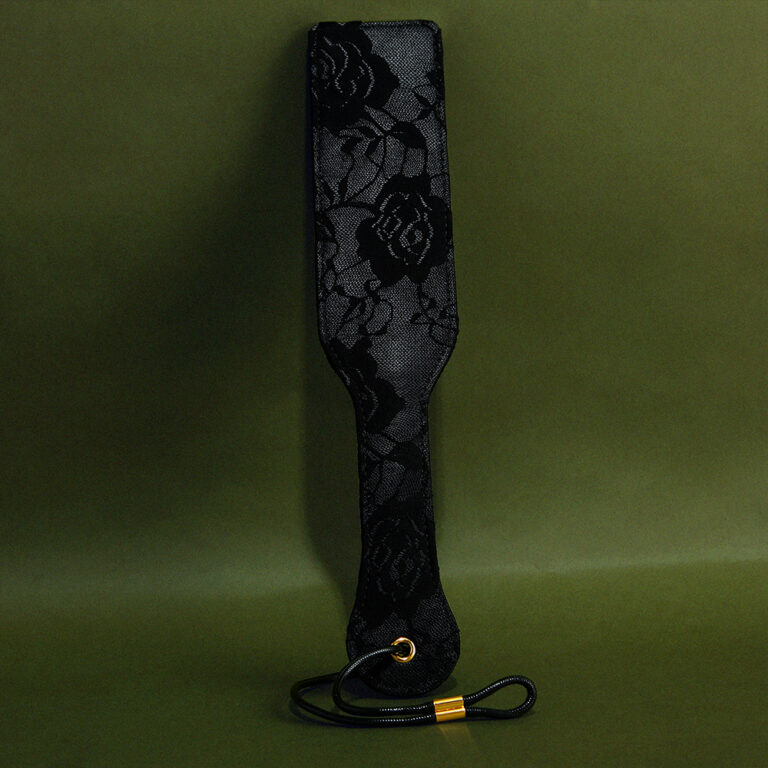
- Paddles: For impact play, a range of paddles exists, from the general BDSM Paddle to more specialized designs like Spiked Mace BDSM Paddle and Romantic BDSM Paddle. Themed paddles such as Luxurious Cowboy BDSM Spanking Paddle, Owls Spanking Paddle, and Provocative BDSM Paddle Squid Game reflect cultural influences. Future-oriented designs like 2025 Kinky BDSM Paddle indicate ongoing innovation.
- Restraint Kits and Sets: Comprehensive kits, such as Zaoyi Restraint Kits, BDSM Kit Wild Bondage, and Luxury Bondage Set, offer a curated experience. Specialized sets like Luxury Bondage Straps Set (3 Pieces) and Bad Blood Restraint Kit (3 Pieces) provide specific thematic or functional collections.
- Blindfolds and Masks: Sensory deprivation elements include Zaoyi Bondage Hood Mask, Fetish BDSM Hood, Leather BDSM Blindfold, and Fetish Bondage Blindfold. Playful options like Bunny BDSM Mask and Luxurious Pet Play BDSM Mask add a theatrical dimension, while Genuine Leather BDSM Hood offers a more intense experience.
- Other Accessories: Nipple covers and clamps, such as Zaoyi Fetish Nipple Cover, Tease Black Nipple Pastie, Luxury Nipple Cover for Midnight Bondage, and Nipple Clamp Alluring BDSM, enhance sensation. Lingerie designed for restraint play, including Provocative BDSM Teddies (1 Piece), Lavish “X” Hogtie BDSM Dangerous, Irresistible Leather Bondage Lingerie (3 Pieces), Luxury BDSM Harness Lingerie (1 Piece), Sex Harness BDSM Lingerie (3 Pieces), and Confidence Exclusive Fetishwear Lingerie (1 Piece), integrates restraint elements into intimate apparel.
- Blind Boxes: The concept of “blind boxes” like Zaoyi bondage blind box, Forbidden BDSM Blind Box, and Kinky BDSM Blind Box introduces an element of surprise and curated discovery for consumers.
These diverse product types and their attributes highlight the sophistication and specialization within the intimacy accessories market, with Couple Handcuffs serving as a central and versatile component.
3. User Demographics and Motivations for Restraint Play
The user base for intimacy restraints, including Couple Handcuffs, is remarkably diverse, extending far beyond traditional BDSM practitioners to encompass general couples and novelty consumers. Their motivations and expectations for incorporating restraint play into their experiences are equally varied, reflecting a broader societal shift towards open sexual exploration and wellness.
A significant driver of market growth is the changing perception of sexual wellness products, with decreasing stigma leading to increased acceptance and demand 6. This shift is particularly evident among younger consumers, who are more openly accepting of using intimacy products 5. The industry’s increasing embrace of diversity and inclusivity, catering to a wide range of needs and preferences, including gender-neutral designs and body-positive messaging, further broadens the appeal 5. There’s also a notable shift from a sole focus on pleasure to a broader emphasis on sexual wellness, encompassing sexual health and self-care 21. This “wellness-focused buyer” segment represents a substantial portion of new adopters, viewing sexual wellness as an extension of holistic health 5.
For many, the motivation to engage with Couple Handcuffs and other restraints stems from a desire for enhanced intimacy and shared experiences. Couple-oriented toys now constitute approximately 50% of intimacy-enhancing products, indicating a strong market for shared exploration 5. The “Big Night In” trend, where consumers opt for more considered, at-home social moments, also contributes to the sales of related products, including restraints 7. Social media platforms play a crucial role in this, allowing consumers to compare items and read reviews in a judgment-free environment, facilitating choices that meet their specific needs 4.
From a psychological perspective, consensual power exchange (CPE), which often involves restraints, taps into fundamental human needs and drives. It’s about partners willingly agreeing to defined roles of authority and submission, fostering intimacy and self-discovery through explicit consent 38. This dynamic can provide a psychological release from the constant burden of decision-making for the submissive partner, leading to feelings of security and calm 43. For the dominant partner, it involves mindful leadership, ensuring the submissive feels safe and seen 45. The high-trust environment inherent in healthy CPE can lead to increased oxytocin release, deepening bonds and reducing stress 40.
Restraint play can also be a powerful avenue for personal growth, stemming from the intentional exploration of one’s inner landscape and relational capabilities, leading to heightened self-awareness 40. It can even serve as a therapeutic outlet, allowing individuals to process past experiences related to control or powerlessness in a safe, chosen context, thereby contributing to personal healing and growth 40. This challenges societal discomfort with explicit discussions of power and desire, reframing power as a chosen, intentional, and deeply psychological exchange 42. The explicit articulation and negotiation of power dynamics in CPE demand advanced communication skills and a deep understanding of both partners’ psychological landscapes 40. The shared experience of transgressing social taboos can create a sense of “shared secret,” nurturing emotional intimacy and trust 41. Ultimately, it fosters self-awareness and acceptance by requiring partners to confront and articulate their most private fears, desires, and weaknesses 41.
The desire for personalization is another key motivator, with customers seeking products that feel special and tailored to their preferences 11. This extends to Couple Handcuffs, where customization in material, fit, and aesthetic can significantly enhance the user experience. For some, power exchange can even be a path to deep spiritual satisfaction and connection 59. The motivations are complex, ranging from simple novelty and enhanced pleasure to profound psychological exploration and relational deepening, all contributing to the growing acceptance and demand for intimacy restraints.
4. Psychological and Physiological Dynamics of Desire Unleashed
The phrase “unleash desire instantly” in the context of Couple Handcuffs and other intimacy restraints can be interpreted through a fascinating interplay of psychological and physiological dynamics. The use of restraints can profoundly impact arousal by manipulating sensory input, building anticipation, and engaging deep-seated psychological needs related to control and vulnerability.
Neuroscience of Arousal and Anticipation: Anticipation of erotic experiences is a powerful catalyst for desire, triggering the release of key neurotransmitters in the brain, including dopamine, serotonin, and endorphins 60. Dopamine, in particular, is strongly linked to the anticipation or expectation of a reward, rather than just the reward itself, with uncertainty potentially increasing its production 64. This neurochemical cascade activates pleasure and reward systems in brain areas such as the ventral striatum, amygdala, and hippocampus, making the anticipation itself a source of enjoyment 60. Repeated erotic anticipation can even strengthen these neural pathways, enhancing future experiences 60. Dopamine’s role extends to controlling male sexual behavior, influencing arousal, motivation, and reward through various receptor subtypes and dopaminergic systems 61. The mesolimbic-mesocortical system is crucial for the preparatory phase of sexual behavior, while the nigrostriatal system handles sensory-motor coordination, and the incertohypothalamic system contributes to consummatory aspects and sexual motivation 62.
Sensory Restriction and Heightened Sensation: Sensory restriction, often achieved through blindfolds or gags, plays a critical role in intensifying other senses and heightening arousal. When one sense is deprived, the brain can reallocate resources, leading to increased sensitivity in the remaining senses 65. For example, visual deprivation can lead to plastic reorganization in the brain, enhancing the processing of auditory and tactile information 65. Instead of causing mental hibernation, sensory deprivation can actually increase brain activity, sometimes leading to vivid visions, auditory hallucinations, and perceptual distortions, which can be intensely arousing in a consensual context 70. This manipulation of sensory input, combined with the anticipation of touch or release, can create a potent cocktail of heightened awareness and desire. The “forbidden fruit effect” also comes into play, where items or experiences become more attractive simply because they are restricted or forbidden, linked to curiosity and the drive for information 6876.
Psychological Connection and Power Dynamics: The psychological impact of Couple Handcuffs is deeply intertwined with consensual power exchange (CPE). In CPE, partners explicitly agree to roles of authority and submission, fostering a unique form of intimacy 38. This dynamic is built on informed, enthusiastic, and ongoing consent, open communication, trust, and mutual respect 39. The act of surrendering control, or taking it, can provide a profound psychological release and a sense of security 43. Trust and vulnerability are exceptionally profound in CPE, as the submissive partner places immense trust in the dominant partner’s benevolence and commitment to safety 40. This high-trust environment can lead to increased oxytocin release, further deepening emotional bonds 40.
CPE also offers a unique path for personal growth and self-discovery, allowing individuals to explore their inner desires and relational capabilities in a safe, chosen context 40. It can be a therapeutic outlet for processing past experiences related to control or powerlessness, enabling individuals to reclaim agency over their bodies and narratives 40. The explicit negotiation of power dynamics in these relationships demands advanced communication skills, fostering a deeper understanding of each partner’s psychological landscape 40. The shared experience, often seen as a “shared secret” due to societal taboos, can significantly enhance emotional intimacy and trust 41. This process fosters self-awareness and acceptance by requiring partners to articulate their most private fears and desires 41.
Furthermore, CPE can reduce stress and anxiety; submissive partners may find relief from decision fatigue, while dominant partners may experience decreased cortisol levels 43. The concept that “true power isn’t taken—it’s given” underscores the agency of both partners in these dynamics, choosing to engage in a structure that fulfills them 55. Healthy power dynamics involve both partners striving to meet each other’s needs, fostering connection rather than isolation 56. The use of a “safe word” or “safe signal” is paramount, providing an immediate and undeniable way to pause or stop the activity, unequivocally restoring full control 40. Post-activity debriefing, or “aftercare,” is also crucial for emotional and physical well-being, reinforcing the bond between partners 40.
The brain’s activity stimulates physiological responses in the genital system, which in turn sends sensory nerve feedback back to the brain, creating a reciprocal relationship that defines sexual pleasure as a cognitive experience 63. Mental states profoundly influence physical sensations during intimacy, and vice versa, highlighting the holistic nature of desire 74. The physiological linkage or synchrony observed in romantic partners’ arousal levels further emphasizes the interconnectedness of shared intimate experiences 82. Thus, Couple Handcuffs can instantly unleash desire by leveraging these complex neurological and psychological mechanisms, creating a potent and deeply connected experience.
5. Safety, Consent, and Ethical Frameworks for Intimacy Accessories
The manufacturing and marketing of adult intimacy products, including Couple Handcuffs, are subject to a complex web of legal and ethical considerations, with paramount importance placed on safety, explicit consent, and consumer protection. Adherence to rigorous standards is crucial to build trust and ensure responsible engagement within this sensitive market.
Product Safety and Standards: The international standard ISO 3533:2021 provides comprehensive guidance for manufacturers on designing safe-to-use sex toys 84. This standard covers design, materials, components, and user instructions for products that come into direct contact with genitalia or the anus, addressing risk assessment for physical, electrical, and chemical hazards, as well as biocompatibility 84. Materials used in Couple Handcuffs and other accessories must be body-safe, free from harmful chemicals, and sturdy enough for regular use 87. Manufacturers should disclose if materials like jelly rubber, PVC, or elastomers contain harmful phthalates, with silicone, glass, and stainless steel being preferred due to their non-porous, hypoallergenic, and bacteria-resistant properties 88.
Mechanical safety requires that products pose no risk under normal use, ensuring all parts are safe for body contact and durable 87. Electrical safety requirements, particularly for products with charging capabilities, are also specified by ISO 3533 86. In the U.S., the Consumer Product Safety Commission (CPSC) oversees consumer product safety, and while it lacks specific sex toy standards, manufacturers must report substantial injury risks, and the CPSC can order recalls or levy fines for unsafe products 87. UL standards also apply to medical devices within the adult toy industry, stipulating material requirements and labeling instructions 87. The FDA may regulate products claiming therapeutic benefits as medical devices 85. California Proposition 65 further mandates warnings about chemicals known to cause cancer or reproductive toxicity, including those found in some sex toy materials 87. Product recalls are a critical mechanism for removing unsafe items from the market 85.
Labeling requirements are essential for consumer information, including product description, traceability (batch number), company information, relevant symbols, and user instructions, along with material disclosure and risk warnings 86. Furthermore, age verification is crucial to ensure customers are of legal age, with online methods often involving ID or date of birth verification, sometimes through third-party services, and in-person verification requiring trained staff 91.
Consent and Ethical Frameworks: Explicit, informed, and ongoing consent is the cornerstone of any healthy power exchange dynamic involving Couple Handcuffs or other restraints 39. Consent must be clear, unambiguous, and can be withdrawn at any time for any reason; dominance without consent is abuse 43. The use of a “safe word” or “safe signal” is indispensable, providing an immediate and undeniable way to pause or stop the activity, unequivocally restoring full control to the submissive partner 40. Post-activity debriefing, or “aftercare,” is also vital for emotional and physical well-being, reinforcing the bond and processing the experience 40. Ethical power exchange involves consciousness of one’s desires, informed consent, and clear boundaries 49. Trust is built by consistently honoring commitments, respecting negotiated limits, and adhering to safe words 49. Compassion and kindness, including active listening and forgiveness, are key to healthy power-exchange relationships 49.
Consumer Protection and Data Privacy: The rise of smart sex toys and teledildonic devices introduces significant data privacy concerns. These devices can collect intimate data such as chat logs, control patterns, vibration intensity, and usage duration, which, when combined, can create detailed user profiles and pose privacy risks 92. Vulnerabilities in companion apps can expose user identity and usage data, as demonstrated by research on devices like We-Vibe Jive and Lovense Max 93. Lawsuits, such as the one against Lovense for alleged illegal data harvesting, highlight the legal ramifications of violating user privacy, particularly under acts like the Wiretap Act 92. Hacking risks are also prevalent, with Bluetooth-enabled devices being vulnerable to unauthorized remote control, raising serious concerns about consent violations and sexual assault 92. Mozilla’s Privacy Not Included guide has found that many sex toys and dating apps have policies that leave user information vulnerable 94. Companies may share user data with marketing firms, leading to targeted ads, and hackers could access personal information for identity theft or device control 94. Users are advised to take precautions like using fake email addresses and renaming Bluetooth devices to innocuous names 94.
Advertising and Marketing Regulations: Advertising adult products faces significant restrictions on mainstream platforms like Facebook and Google, which generally prohibit promotion of adult products or services, except for health-focused family planning ads 97. Specialized adult traffic platforms like FlamyAds exist to bypass these restrictions 98. Ads must comply with community standards on adult nudity, sexual activity, and exploitation 99. Walmart, for example, prohibits adult novelty items shaped like genitalia or featuring sexual poses 99. Ethical marketing practices emphasize compelling brand narratives that connect with consumers on a personal level, highlighting empowerment, exploration, or fun, with authenticity being crucial 100. Partnering with sexual health experts adds credibility 100. Discreet packaging, using simple colors and designs that don’t advertise contents, is essential for customer privacy 100. Highlighting unique selling points and ethical manufacturing processes, including fair labor and environmental sustainability, can attract customers 100. Online sales are a primary channel, requiring platforms that support adult products and integrate with compatible payment gateways, with careful attention to terms of service and age-verification requirements 103. Discreet shipping with plain labels and neutral return addresses is also vital 103.
Ethical Sourcing and Fair Labor Practices: Ethical sourcing is increasingly important, encompassing responsible practices throughout the supply chain, including fair labor, environmental sustainability, and quality assurance 102. This ensures workers are treated fairly, receive fair wages, and work in safe conditions, combating exploitation and child labor 102. Environmental sustainability involves using renewable resources, minimizing waste, and reducing pollution 102. Transparency and traceability in the supply chain are crucial for consumers to understand product origins and production conditions 105. Industry certifications like GOTS and RJC guide ethical procurement 89. Governments and NGOs play a critical role in promoting and enforcing these standards 89. Fair trade practices ensure producers receive fair prices and environmental protection 106.
Legal and Regulatory Landscape: The legal landscape for sex toys varies significantly internationally, with some countries banning them outright (e.g., parts of Africa, Thailand, India) and others having varying degrees of regulation 107. Obscenity laws can be broadly interpreted to include sex toys 107. Customs regulations also differ, with some countries banning or strictly regulating imports 101. For instance, U.S. Customs and Border Protection has revoked tariff classifications for vibrating sex toys 108. The Indian Penal Code defines obscenity broadly, and some U.S. states, like Alabama, have criminalized sex toy sales, though they are often sold as novelty items 107. Age of consent laws apply to all sexual activity, emphasizing that any activity without consent is a criminal offense 110. The existence of archaic laws and standards can lead to unsafe products, misinformation, and illegitimate businesses 114.
In summary, the responsible development and marketing of Couple Handcuffs and other intimacy accessories demand a holistic approach that prioritizes user safety, upholds explicit consent, protects consumer data, adheres to ethical advertising, and ensures fair labor practices throughout the supply chain.
6. Product Development and Innovation Opportunities
The future of intimacy accessories, particularly Couple Handcuffs, lies in leveraging advanced materials, smart technologies, and a deep understanding of user psychology to create products that are not only safe and effective but also deeply personalized and immersive. Significant opportunities exist for innovation in design, functionality, and the overall user experience.
Integration of Smart Technologies and Haptic Feedback: The sexual wellness market is already seeing the integration of AI, VR, and app-controlled features to enhance user experience and customization 7. Smart sex toys offer unprecedented levels of customization and connectivity, with app integration allowing remote control 5. AI is being incorporated to learn user preferences and adapt stimulation patterns, suggesting a future where Couple Handcuffs could dynamically adjust based on real-time biometric feedback or pre-programmed scenarios 5. The development of AI-powered sex dolls that can talk and physically interact with users points to a future of highly sophisticated intimate accessories 4.
Haptic feedback technology, which recreates the sense of touch, presents a significant opportunity for enhancing the experience of Couple Handcuffs. Haptic clothing is already being recognized for its potential to provide kinesthetic interaction between the body and clothes 115. Smart textiles, incorporating sensors or electronics, can offer enhanced functionality 119. Companies like Apple and Google are actively developing touch-sensitive smart textiles and smart footwear systems with embedded sensors 121. The “Lovewear” project, for instance, combines user-centered design with soft robotics integrated into textiles to offer autonomous haptic feedback experiences 122. Researchers have developed wearable haptic auxetic fabrics (WHAF) that can generate complex haptic patterns spatially and temporally, and fluidic programming is being used in wearable textiles for user applications 128. Conductive strands can be woven into fabrics and coupled with electrical components like sensors and haptic output devices 123. Textile-based soft actuators offer advantages such as low weight, low profile, and high force-to-weight ratio, enabling flexible and electroactive textile actuators 122. Wearable communication platforms can also include haptic actuators to provide tactile sensations based on output signals, integrated into various garments 124. Hexoskin’s smart clothing, which monitors health metrics, demonstrates the potential for integrating biometric feedback into intimate wear 119.
Enhanced User Experience and Personalization: The trend towards personalization, where experiences are tailored to individual preferences and behavior, is revolutionizing various industries and holds immense potential for Couple Handcuffs 116. This could involve Couple Handcuffs that adapt to individual body shapes and preferences, potentially through 3D body scanning or modular designs. The “intimacy economy,” where personal and emotional data are exchanged for customized experiences, highlights the demand for products that cater to individual emotional and psychological needs 115. Advanced AI systems can interpret subtle human cues, allowing for interactions that mimic genuine human relationships, which could translate into more responsive and intuitive restraint systems 120.
Addressing Challenges and Future Directions: Despite these opportunities, several challenges must be addressed. Power consumption remains a major hurdle for wearable electronics, necessitating low-power alternatives 119. Washability is crucial for the durability and functionality of e-textiles 125. Miniaturization and integration of components are key to packing powerful functions into small, unobtrusive designs 119. Privacy concerns, particularly with data collection from smart devices, must be carefully balanced with personalization efforts 116. Material performance and sustainability, complex e-textile fabrication methods, and limited end-of-life processability are also significant challenges for widespread adoption 126. The lack of reliable energy solutions limits wearable soft electronics 127. Furthermore, existing haptic methods often fall short of providing complex haptic communications beyond simple vibrations, and creating lightweight, comfortable haptic systems capable of conveying diverse tactile sensations remains a challenge 128. Ethical concerns surrounding AI-powered sex dolls, including issues of consent and objectification, also need careful consideration as technology advances 129.
Innovative Product Concepts for Couple Handcuffs: Based on these insights, future Couple Handcuffs could evolve into “smart restraints” with features such as:
- Adaptive Haptic Feedback: Integrated haptic actuators that provide customizable sensations, from gentle pulses to intense vibrations, controlled via an app or biometric input. This could allow for dynamic “play” even when physically separated.
- Temperature Regulation: Smart textiles with Outlast® technology could be incorporated to maintain optimal comfort, preventing overheating or coldness during prolonged use.
- Biometric Monitoring: Embedded sensors could monitor heart rate, skin conductivity, and other physiological indicators to provide real-time feedback on arousal levels, allowing partners to adjust the experience accordingly.
- Personalized Fit and Material: 3D scanning technology could enable custom-fitted Couple Handcuffs made from advanced, hypoallergenic, and sustainable materials, ensuring maximum comfort and safety.
- Integrated Safe Word Systems: Beyond verbal safe words, smart Couple Handcuffs could incorporate tactile or pressure-sensitive safe signals that instantly release or alter the restraint, enhancing safety and trust.
- Discreet Design and Packaging: Continued focus on aesthetically pleasing designs that blend into intimate wear, coupled with discreet packaging and shipping, will cater to consumer privacy preferences.
- Modular and Expandable Systems: Designing Couple Handcuffs as part of a modular system that can be easily combined with other accessories (e.g., collars, paddles, blindfolds) to create diverse play scenarios.
- Gamified Experiences: App-controlled scenarios that introduce elements of challenge, reward, and narrative, enhancing the psychological engagement of restraint play.
The market for intimacy accessories is dynamic and ripe for innovation. By focusing on advanced materials, smart technologies, and a deep understanding of user needs and desires, manufacturers can develop next-generation Couple Handcuffs that truly “unleash desire instantly” while prioritizing safety, consent, and ethical considerations. Exploring best-selling and new arrival categories, such as Zaoyi Bondage Best Sellers and Zaoyi Bongdage New Arrivals, can provide insights into current consumer preferences and emerging trends to guide future product development.