
vraiment exceptionnel. Comment attacher des entraves de bondage au lit ?
Exploring the realm of bed bondage can be a deeply intimate and exhilarating experience, offering a unique blend of sensory stimulation, trust, and vulnerability. For beginners, approaching this aspect of BDSM requires a meticulous focus on safety, explicit consent, and the selection of appropriate, high-quality equipment. As specialists in premium bondage restraint leather, we understand the nuances of crafting experiences that are not only thrilling but also secure and comfortable. This comprehensive guide will walk you through the foundational principles, material considerations, practical techniques, and essential aftercare for safely and effectively tying Bed Bondage Restraints.

1. Foundational Safety & Consent for Beginner Bed Bondage
The cornerstone of any consensual BDSM activity, especially involving Bed Bondage Restraints, is an unwavering commitment to safety and explicit, ongoing consent. This is paramount for both physical and psychological well-being.
1.1. Establishing a Robust Consent Framework
Before any restraint is applied, a detailed consent negotiation process is indispensable. This goes far beyond a simple “yes” and delves into specific acts, hard limits (absolute no-gos), and soft limits (areas of caution or potential discomfort) 2. Both partners must openly discuss their desires, boundaries, and potential scenarios before the scene commences. This open communication fosters honest dialogue, builds trust, enhances intimacy, and encourages exploration, while significantly reducing anxiety and normalizing vulnerability 4.

A crucial tool for real-time communication during a scene is the “traffic light” system:
- Green: Continue, everything is enjoyable.
- Yellow: Slow down, proceed with caution, or check in.
- Red: Stop immediately, no questions asked.
This system, or similar non-verbal cues like a tap or squeeze, is particularly useful for beginners who might find verbalizing discomfort challenging, especially if gags are involved 2. Safeword variations, such as specific phrases or non-verbal signals, should also be established to accommodate different communication needs 2.
1.2. Comprehensive Emergency Planning
Preparation for potential emergencies is not a sign of pessimism but of responsible play. A pre-bondage checklist should include inspecting the bed frame and surrounding area for sharp objects or hazards, ensuring adequate space for movement within the limits of the bondage, and confirming the structural integrity of any attachment points 2.

Emergency Tools & Protocols:
- Emergency Cutting Tools: Keep readily accessible, high-quality emergency cutting tools, such as trauma shears or seatbelt cutters, specifically designed to quickly and safely cut through rope, fabric, or other restraints. These tools should be practiced with beforehand and placed where the top can access them quickly, even if partially restrained 2.
- First-Aid Kit: A well-stocked first-aid kit is essential, containing antiseptic wipes, various bandages, pain relievers, burn cream, antihistamines, and a CPR mask. Both partners should ideally have basic first aid and CPR training 2.
- Pre-Discussed Emergency Procedures: Develop and rehearse procedures for common scenarios:
- Nerve Impingement: Symptoms include tingling, numbness, or a “pins and needles” sensation. Immediately release the affected limb or area and monitor for sensation and circulation return. Seek medical attention if symptoms persist 2.
- Circulation Compromise: Indicated by discoloration (bluish or pale), coldness, or swelling. Loosen or remove restraints immediately, elevate the affected limb, and monitor for color and temperature return. Medical attention is required if circulation does not return quickly 2.
- Panic Attacks: Prioritize calming the submissive. Remove any gags or restraints contributing to anxiety. Use a calm, reassuring voice and guide them through deep breathing exercises 2.
- Post-Scene Debriefing: A thorough debriefing after the scene is crucial. Discuss what worked well, what could be improved, and address any discomfort or concerns. This ensures ongoing consent and builds trust 2.
1.3. Psychological Safety and Trauma-Informed Approach
Beyond physical safety, psychological safety is paramount. Create a non-judgmental environment where the submissive feels comfortable expressing needs and concerns, emphasizing active listening and validating their experiences 2. Adopting a trauma-informed approach means being aware of potential triggers and sensitivities, avoiding assumptions about past experiences, and being prepared to adjust the scene based on the submissive’s needs 2. Regularly reviewing and updating safety protocols, consent agreements, and emergency plans ensures their continued relevance and effectiveness 2.
2. Material Selection and Preparation for Bed Restraints
The choice of materials for Bed Bondage Restraints significantly impacts comfort, safety, and the overall sensory experience. For beginners, focusing on materials that are soft, durable, and easy to manage is key. Our company specializes in high-end leather restraints, offering unparalleled quality, comfort, and aesthetic appeal.
2.1. Understanding Material Characteristics
2.1.1. Leather Restraints (Our Specialty) Premium leather, such as that used in our Custom Leather Bondage Cuffs or Elegant Bondage Cuffs, offers a unique combination of durability, comfort, and a luxurious feel.
- Advantages:
- Durability: High-quality leather is exceptionally strong and long-lasting, capable of withstanding significant tension without tearing.
- Comfort: When properly lined and finished, leather can be surprisingly soft against the skin, minimizing chafing. Our Fluff Tender BDSM Cuffs (2025 Winter) exemplify this, combining softness with security.
- Esthétique : Leather has a classic, sophisticated look that many find inherently sensual.
- Security: Leather cuffs, like our Luxury Gothic Handcuffs or Diamond BDSM Cuffs, provide a secure and adjustable fit, suitable for various body types 1.
- Expérience sensorielle : The unique texture and scent of leather can significantly enhance the sensory aspect of play.
- Considerations:
- Cost: High-quality leather is an investment, but its longevity and superior experience often justify the price.
- Maintenance: Leather requires proper care to maintain its condition and flexibility.
- Adjustability: Ensure leather cuffs are adjustable to prevent circulation compromise. Our Stylish Sex Cuffs 2 Straps are designed with adjustability in mind.
2.1.2. Nylon Straps and Fabric Cuffs Many beginner-friendly restraint kits, such as those found in our Kits de contrainte Zaoyi or Luxury Bondage Set, often feature nylon straps and fabric cuffs.
- Advantages:
- Affordability: Generally less expensive than leather.
- Adjustability: Highly adjustable, making them suitable for various body types and experience levels 1.
- Comfort: Often incorporate soft sponge pads or plush linings to protect wrists, thighs, and ankles 1.
- Portability: Compact and lightweight, making them easy to store and transport 1.
- Considerations:
- Durability: May not be as long-lasting as high-quality leather.
- Esthétique : Can sometimes appear less luxurious than leather.
- Friction: Ensure padding is sufficient to prevent chafing, especially during prolonged use.
2.1.3. Ropes Rope bondage is an art form in itself, offering immense versatility.
- Advantages:
- Versatility: Can be used for a wide array of ties, from simple wrist restraints to complex full-body setups.
- Sensory: The feel of rope can be highly stimulating.
- Load Capacity: Premium nylon ropes designed for bondage can withstand significant weight loads (up to 1,000 lbs), highlighting the importance of using appropriate materials for safety 6.
- Considerations:
- Skill Curve: Requires significant practice to tie safely and effectively, especially to avoid nerve impingement or circulation compromise.
- Material Choice: Natural fibers (e.g., cotton, hemp, jute) are softer but can stretch and absorb moisture. Synthetic fibers (e.g., nylon, polyester) are stronger and more durable but can be less forgiving on the skin.
- Cisailles de sécurité : Always have safety shears readily available when using rope 6.
2.2. Preparation of Materials
Regardless of the material, proper preparation is crucial:
- Inspect: Always inspect restraints for wear and tear, sharp edges, or damage before each use. For leather, check stitching and buckles. For ropes, look for fraying or weak spots.
- Clean: Ensure all materials are clean. Leather can be wiped down with a damp cloth and conditioned. Fabric and nylon restraints can often be hand-washed.
- Soften (Rope): New ropes can be stiff. Washing and conditioning them can make them softer and more pliable, reducing friction and improving comfort.
- Organize: Keep your Bed Bondage Restraints organized and easily accessible. This prevents fumbling during a scene and ensures emergency tools are always at hand.
3. Understanding Bed Attachment Points and Basic Restraint Principles
Securely attaching Bed Bondage Restraints requires a thorough understanding of your bed’s structure and the fundamental principles of safe restraint. The goal is to create a secure setup without damaging the bed or, more importantly, the person being restrained.
3.1. Identifying Optimal Bed Attachment Points
Different bed types offer various attachment possibilities. Always prioritize points that are structurally sound and free from sharp edges.
- Bed Frames:
- Solid Wood or Metal Frames: The most reliable attachment points are typically the sturdy legs or crossbeams of a solid bed frame. Look for points where the material is thick and robust.
- Headboards/Footboards: If the headboard or footboard is securely attached to the frame and made of solid material (e.g., thick wood, metal), it can offer good attachment points. Avoid decorative elements or thin slats that could break under tension.
- Custom Bed Frames: Some enthusiasts build custom bed frames with integrated, hidden hooks or tie-down points specifically designed for restraints 5. This offers the most secure and discreet solution. Even rustic farmhouse bed frames can incorporate ropes and chains into their design, which, if properly assessed for load-bearing capacity, could serve as attachment points 5.
- Mattress Considerations:
- Under-Mattress Straps: For beds without accessible frames, specialized under-mattress restraint systems can be used. These typically involve straps that run under the mattress and emerge at the sides, providing attachment loops. Ensure the mattress is heavy enough to provide sufficient counter-tension.
- Mattress Toppers and Sheets: While not attachment points themselves, consider how mattress toppers, pillows, and sheets might interact with restraints, ensuring they don’t create friction points or interfere with the security of the tie 7.
- Alternative Solutions (Speculative): For situations where traditional bed frames are unsuitable, portable anchors or tension rods (designed for heavy loads, not shower curtains) could be explored, though these require careful testing and understanding of their load limits. Cabinet beds, which can support up to 500 lbs, might offer sturdy points if carefully chosen and tested, though they are not explicitly designed for bondage 5.
3.2. Basic Principles of Secure and Non-Damaging Restraint
Regardless of the attachment point or material, several core principles must be followed:
- Load Bearing Capacity: Always assess the load-bearing capacity of any attachment point. A point that can hold a decorative item is not necessarily suitable for dynamic tension from a struggling or shifting body.
- Smooth Surfaces: Ensure all attachment points are smooth and free of splinters, sharp edges, or rough patches that could damage restraints or injure the submissive. Padding can be used to protect both the bed and the skin.
- Avoid Pressure Points: Never apply restraints directly over joints, bones, or areas where nerves and blood vessels are close to the surface. This is critical to prevent nerve impingement and circulation compromise.
- Two-Finger Rule: A common safety guideline is the “two-finger rule.” After applying a restraint, you should be able to comfortably slip two fingers underneath it. This ensures the restraint is snug enough to be secure but not so tight as to restrict circulation or cause discomfort. This applies to both our Cuffs and rope ties.
- Redundancy (for advanced setups): For more complex or dynamic setups, consider using redundant attachment points or multiple restraints to distribute tension and provide a backup in case one point fails.
- Communication: As always, open communication with your partner is crucial for sexual satisfaction and safety, especially when exploring BDSM activities 8. Experimentation and fantasy, such as incorporating blindfolds or restraints, can enhance sexual experiences, but only with clear communication 8.
4. Beginner-Friendly Techniques for Wrist and Ankle Restraints
For those new to Bed Bondage Restraints, starting with simple, secure wrist and ankle ties is the most prudent approach. These techniques prioritize safety, comfort, and ease of release. Our premium leather cuffs are ideal for these applications, offering both security and a luxurious feel.
4.1. General Principles for Limb Restraints
- Padding is Key: Always ensure there is adequate padding between the restraint and the skin, especially for rope. Our Cuffs are designed with comfort in mind, often featuring soft linings.
- Avoid Joints: Never tie directly over wrists or ankle bones. Position restraints on the fleshy part of the limb, a few inches above or below the joint.
- Check Circulation: Immediately after applying any restraint, check for signs of circulation compromise:
- Color: Skin should remain its natural color, not turn pale, blue, or purple.
- Temperature: The limb should remain warm.
- Sensation: The submissive should be able to feel light touch and wiggle their fingers/toes without numbness or tingling.
- Ease of Release: Always ensure you can quickly release the restraints. This means having emergency cutting tools readily available for rope, or knowing how to quickly unbuckle or unlock cuffs.
4.2. Techniques for Wrist Restraints
4.2.1. Using Leather Cuffs (Recommended for Beginners) Our Leather Bondage Cuffs are an excellent choice for beginners due to their ease of use and inherent safety features.
- Positioning: Place the cuff around the wrist, ensuring it sits comfortably on the fleshy part of the forearm, away from the wrist bone.
- Fastening: Secure the buckle or clasp. Apply the “two-finger rule” – you should be able to easily slide two fingers under the cuff. This ensures it’s snug but not too tight.
- Attachment: Use a sturdy D-ring or O-ring on the cuff to attach it to a secure point on the bed frame using a short strap or another piece of leather. Ensure the attachment point is smooth and strong.
- Checking: Double-check circulation and comfort with your partner.
4.2.2. Using Rope (Basic Single Column Tie) For rope, a single column tie is a fundamental technique.
- Form a Loop: Create a loop around the wrist, ensuring it’s large enough to accommodate the “two-finger rule.”
- Wrap: Wrap the working end of the rope around the loop a few times, creating a secure column.
- Finish: Finish with a quick-release knot (e.g., a square knot with a slip knot component) that can be easily untied or cut in an emergency.
- Attachment: Attach the remaining rope to a secure bed frame point, again ensuring the “two-finger rule” is maintained at the attachment point.
4.3. Techniques for Ankle Restraints
4.3.1. Using Leather Ankle Cuffs Similar to wrist cuffs, our Fetish Ankle Cuffs provide a secure and comfortable option.
- Positioning: Place the cuff around the ankle, positioning it above the ankle bone on the fleshy part of the lower leg.
- Fastening: Secure the buckle or clasp, applying the “two-finger rule.”
- Attachment: Attach the cuff to a secure point on the bed frame, such as a leg or crossbeam, using a strap or chain.
- Checking: Verify circulation and comfort.
4.3.2. Using Rope (Basic Single Column Tie for Ankles) The same single column tie technique used for wrists can be adapted for ankles.
- Form a Loop: Create a loop around the ankle, ensuring it’s loose enough for the “two-finger rule.”
- Wrap: Wrap the working end of the rope around the loop several times.
- Finish: Secure with a quick-release knot.
- Attachment: Connect the rope to a sturdy bed frame point, ensuring the tie remains comfortable and does not restrict movement excessively or cause discomfort.
Remember, the beginner-friendly design of many Bed Bondage Restraints kits, including our own, focuses on lightweight and adjustable materials for comfort and ease of use 1. Always prioritize communication and the immediate release of restraints if nerve impingement or circulation compromise is suspected 2.
5. Progressive Full-Body Bed Bondage Setups for Sensory Play
Once comfortable with individual limb restraints, beginners can explore progressive full-body Bed Bondage Restraints setups. These configurations aim to enhance sensory engagement while maintaining paramount safety and comfort. Our Luxury Bondage Straps Set (3 Pieces) or Bad Blood Restraint Kit (3 Pieces) provide excellent starting points for these more elaborate setups.
5.1. Principles for Full-Body Setups
- Gradual Progression: Do not attempt complex ties immediately. Build up from simple limb restraints to more intricate configurations.
- Weight Distribution: Ensure that tension is distributed evenly across multiple points and not concentrated on a single limb or joint.
- Mobility vs. Restriction: Decide on the desired level of restriction. Some setups allow for limited movement, enhancing the sensory experience of being held, while others aim for near-total immobilization.
- Communication is Amplified: With more extensive bondage, communication becomes even more critical. The “traffic light” system and clear safewords are non-negotiable. Psychological safety is paramount, ensuring the submissive feels secure and heard 2.
- Trauma-Informed Approach: Be especially mindful of potential triggers in full-body restraints, as they can evoke stronger feelings of vulnerability 2.
5.2. Common Full-Body Configurations for Beginners
5.2.1. The “X” Tie (Spread Eagle) This is a popular and relatively straightforward full-body setup that spreads the limbs.
- Limb Restraints: Begin by securing each wrist and ankle individually using our Cuffs or appropriate rope ties, following the “two-finger rule.”
- Attachment to Bed: Attach each restrained limb to a separate, sturdy point on the bed frame. For example, wrists to the headboard or upper frame, and ankles to the footboard or lower frame. This creates an “X” shape with the body.
- Tension: Adjust the length of the connecting straps or ropes to achieve the desired spread and tension. The submissive should feel securely held but not painfully stretched.
- Optional Torso Restraint: For added security or sensory input, a wide, soft strap (like those in our Luxury Bondage Set) can be placed across the chest or hips and secured to the bed frame. Avoid restricting breathing or applying pressure to the abdomen.
5.2.2. Hogtie (Modified for Bed Bondage) A traditional hogtie involves binding wrists to ankles behind the back. For bed bondage, a modified version can be used to keep the submissive on their stomach or side. Our Lavish “X” Hogtie BDSM Dangerous offers a specialized solution for this.
- Wrist and Ankle Restraints: Secure wrists and ankles individually.
- Connecting Limbs: Connect the wrists together, and the ankles together. Then, connect the wrist restraint to the ankle restraint on the same side of the body, or across the back.
- Bed Attachment: Secure the connected limbs to the bed frame. For example, if wrists are tied to ankles behind the back, the entire bundle can be secured to a central point on the bed frame.
- Positioning: Ensure the submissive is in a comfortable and safe position, with no undue strain on joints or the back. This tie can be intense, so constant communication is vital.
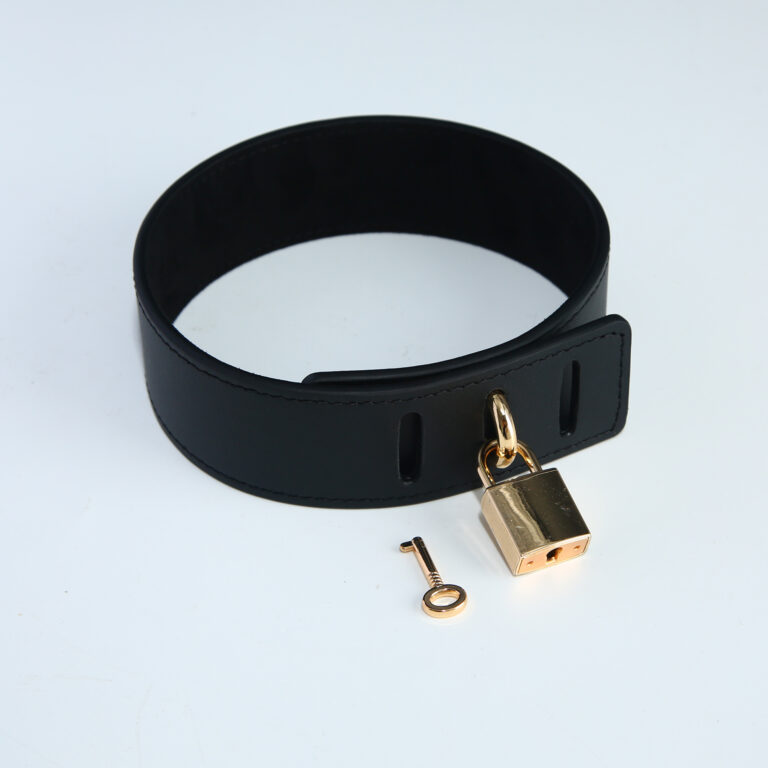
5.2.3. Collar and Leash Integration For an added layer of control and sensory experience, a Collier can be integrated into a full-body setup. Our Elegant T-Chain BDSM Collar or Collier BDSM Cowboy (1 Pièce) are designed for both comfort and aesthetic appeal.
- Collar Application: Apply a comfortable collar around the neck, ensuring it is snug but not restrictive. The “two-finger rule” applies here too.
- Leash Attachment: Attach a Laisse BDSM en chaîne en T (1 Ensemble) to the collar.
- Bed Attachment: The leash can then be secured to a headboard or another sturdy point, allowing for gentle tension or simply serving as a symbolic connection. Never use a leash to apply significant force or restrict breathing.
5.3. Enhancing Sensory Engagement
Full-body Bed Bondage Restraints naturally heighten sensory awareness.
- Texture Play: The feel of different materials against the skin – the smooth coolness of leather, the rougher texture of rope, or the softness of fabric – can be intensely stimulating.
- Temperature Play: Incorporating hot and cold sensations, such as ice cubes or warm oils, can add depth to the physical connection by awakening new sensations 4.
- Blindfolds: A Leather BDSM Blindfold or Fetish Bondage Blindfold can heighten other senses by removing sight, intensifying touch and sound.
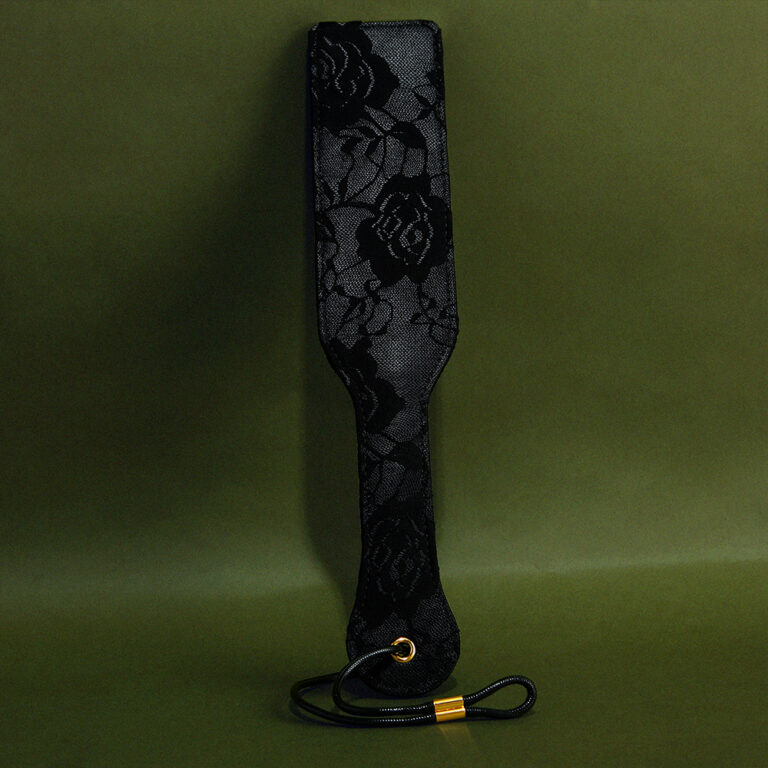
- Paddles: While not directly part of the restraint, items like our Pagaie BDSM or Romantic BDSM Paddle can be used for teasing and light impact play, further elevating the sensory experience 1.
Always remember that the load capacity of ropes and the structural integrity of attachment points become even more critical in full-body setups 6. Aftercare protocols, including physical comfort and emotional support, are essential after such an intense experience 2.
6. Optimizing Restraint Application for Enhanced Sensory Experience
Beyond mere immobilization, the art of Bed Bondage Restraints lies in optimizing their application to create a profound and personalized sensory experience. This involves thoughtful manipulation of tension, texture, and placement, always within the bounds of safety and consent. Our high-end leather restraints are designed to facilitate these nuanced explorations.
6.1. Varying Tension for Dynamic Sensation
The degree of tension applied to Bed Bondage Restraints can dramatically alter the sensory input.
- Gentle Restriction: A looser tie, where the submissive can still shift slightly, can create a subtle, constant awareness of the restraints. This can be teasing and build anticipation, focusing on the psychological aspect of being held.
- Snug Security: A tighter, yet still safe, application provides a feeling of profound security and surrender. The firm pressure can be deeply grounding and intensely sensual, especially with the smooth, firm embrace of our Luxury Bondage Cuffs.
- Dynamic Tension: For more advanced play, tension can be varied throughout the scene. For instance, starting with a looser tie and gradually increasing tension (with explicit consent and communication) can build intensity. Conversely, releasing tension slightly can offer a moment of relief before re-engaging.
- Avoidance of Static Pressure: While snug is good, prolonged, unyielding pressure on a single point can lead to discomfort or injury. Ensure there’s always a slight give or opportunity for minor adjustments, or plan for regular check-ins and repositioning.
6.2. Leveraging Texture and Material Properties
The tactile qualities of the chosen materials play a significant role in sensory enhancement.
- The Allure of Leather: Our premium leather restraints, such as the Elegant Bondage Cuffs or Vintage Bondage Collar (1 Piece), offer a distinct sensory profile. The smooth, cool surface against the skin, the subtle scent, and the inherent weight of quality leather contribute to a sophisticated and intense experience. The contrast between the leather and the skin can be highly stimulating.
- Softness and Plushness: For those seeking a gentler touch, restraints with soft linings or plush materials, like our Fluff Tender BDSM Cuffs (2025 Winter), provide comfort while still offering the sensation of being bound. This can be particularly effective for prolonged scenes or for individuals with sensitive skin.
- Rope Textures: Different types of rope offer varied textures – from the soft, natural feel of cotton to the slightly abrasive, stimulating texture of jute or hemp. The choice of rope can significantly alter the tactile experience.
6.3. Strategic Placement for Heightened Sensation
The precise placement of Bed Bondage Restraints can target specific areas for enhanced sensory input.
- Wrist and Ankle Placement: While avoiding joints is crucial, slight variations in placement on the fleshy parts of the limbs can create different sensations. A restraint placed higher on the forearm might feel different from one closer to the wrist.
- Torso and Thigh Restraints: Wider straps across the chest, abdomen, or thighs can provide a feeling of compression and containment, which many find intensely sensual. Ensure these are never so tight as to restrict breathing or cause internal discomfort.
- Blindfolds and Hoods: Removing the sense of sight dramatically heightens other senses. A Fetish BDSM Hood or a Leather BDSM Blindfold can intensify the feeling of touch, sound, and even smell, making the experience of being bound more immersive.
- Nipple Play: Integrating nipple clamps or covers, such as our Luxury Nipple Cover for Midnight Bondage or Nipple Clamp Alluring BDSM, can add a layer of exquisite sensation, especially when combined with the vulnerability of being restrained.
- Impact Play Integration: For those who enjoy it, light impact play with a Luxurious Cowboy BDSM Spanking Paddle or 2025 Kinky BDSM Paddle can be integrated, with the restraints amplifying the sensation and the feeling of helplessness.
Optimizing the sensory experience requires ongoing communication and a willingness to experiment within established boundaries. Post-scene debriefing is vital to understand what worked best and what could be improved for future sessions 2. Psychological safety and a trauma-informed approach ensure that these explorations remain positive and empowering 2.
7. Safe Release Procedures and Essential Aftercare
The conclusion of a Bed Bondage Restraints scene is as critical as its initiation. Safe release procedures and comprehensive aftercare are essential to ensure the physical and emotional well-being of both partners, reinforcing trust and positive experiences.
7.1. Efficient and Safe Release Procedures
The release process should be calm, controlled, and executed with the same attention to safety as the application.
- Planned Release Order: For multi-point or full-body setups, have a pre-determined order for releasing restraints. Often, starting with the most restrictive or potentially uncomfortable ties first is advisable.
- Emergency Tools at Hand: Always have your emergency cutting tools (trauma shears for rope) or cuff keys/release mechanisms immediately accessible. Practice using them beforehand to ensure swift action if needed 2.
- Gentle and Deliberate: Avoid abrupt or forceful removal of restraints. This can cause discomfort, skin irritation, or even minor injuries. Unbuckle, untie, or unlock gently.
- Check for Issues During Release: As each restraint is removed, quickly check the limb for any signs of nerve impingement (tingling, numbness) or circulation compromise (discoloration, coldness) 2. If any issues are noted, address them immediately.
- Verbal Check-ins: Throughout the release, maintain verbal communication with your partner. Ask how they are feeling, if they are comfortable, and if they need anything.
7.2. Crucial Aftercare Considerations
Aftercare is a vital component of any BDSM scene, particularly one involving Bed Bondage Restraints. It addresses both the physical and emotional needs that arise from the intensity of the experience.
7.2.1. Physical Aftercare:
- Circulation Restoration: Encourage gentle movement of limbs to restore full circulation. A light massage can be very comforting and help with blood flow.
- Hydration and Nourishment: Offer water, juice, or a comforting warm drink. A light snack can also help ground the submissive.
- Comfort and Warmth: Provide warm blankets or a comfortable robe. The body’s temperature regulation can be affected by intense experiences.
- Minor Injury Management: Have your first-aid kit ready for any minor chafing, rope burn, or skin irritation. Apply antiseptic wipes and bandages as needed 2.
7.2.2. Emotional and Psychological Aftercare:
- Debriefing (Post-Scene Discussion): This is perhaps the most critical aspect of aftercare. Engage in a thorough, non-judgmental discussion about the scene 2:
- What worked well?
- What could be improved for next time?
- Were there any moments of discomfort or concern?
- How is the submissive feeling emotionally?
- Reassurance and Affirmation: Offer verbal reassurance, praise, and affirmation. Remind your partner that they are safe, valued, and that their boundaries were respected.
- Cuddling and Intimacy: Physical closeness, such as cuddling, holding, or gentle touch, can be incredibly grounding and help process intense emotions.
- Processing Emotions: Intense scenes can sometimes bring up unexpected emotions. Create a safe space for your partner to express these feelings without judgment. A trauma-informed approach is crucial here, being prepared to listen and validate their experiences 2.
- Alone Time (if desired): Some individuals may prefer a period of quiet reflection or alone time after a scene. Respect these needs.
- Ongoing Support: The effects of a scene can sometimes linger. Ensure your partner knows you are available for continued support and discussion in the hours or days following.
Regularly reviewing and updating aftercare protocols, alongside safety and consent agreements, ensures they remain effective and tailored to the evolving needs of the partners 2. The commitment to comprehensive aftercare solidifies trust and transforms a potentially vulnerable experience into one of profound connection and satisfaction.