
Come legare le legature di bondage?
The art of tying bondage restraints transcends mere physical confinement; it is a sophisticated practice that blends aesthetic design, psychological depth, and masterful presentation. For Zaoyi Bondage, a company specializing in premium leather bondage restraints (bondagerestraint.com/), understanding these multifaceted dimensions is crucial for attracting a broader audience and elevating the perception of this intricate art form. This report delves into the core elements that contribute to the allure of bondage restraints, from the visual poetry of their knots to the profound psychological experiences they evoke, and the ethical considerations paramount to their public engagement.

1. Aesthetic Principles of Restraint Tying
The visual appeal of tied bondage restraints is a cornerstone of their attractiveness, transforming simple rope or leather into a “living sculpture” 3. The aesthetic principles governing this transformation are deeply rooted in design theory, drawing heavily from the Japanese art of Shibari and Kinbaku.

1.1. Historical and Cultural Foundations
Shibari’s origins trace back to Hojojutsu, the Samurai martial art of restraint during Japan’s Edo Period (1603-1868), where practicality and control were paramount 1. Over centuries, it evolved into Kinbaku, an erotic art form that shifted focus to emotional connection and beauty, heavily influenced by the ukiyo-e art movement, which depicted intimate scenes involving rope bondage 1. This rich history imbues modern bondage restraints with a profound cultural significance, reflecting Japanese aesthetics such as Zen Buddhism’s mindfulness, Shintoism’s sacredness of nature, and wabi-sabi‘s appreciation for the beauty of imperfection 4.

1.2. Core Visual Elements and Design Theory
The aesthetics of tying bondage restraints are fundamentally built upon principles of balance, symmetry, and flow 1. Practitioners, often referred to as “riggers,” meticulously compose designs that interact with the body, creating visually stunning patterns and dynamic shapes 3.
- Line and Form: The ropes or leather straps create intricate lines that trace and accentuate the body’s natural curves. The interplay of these lines forms compelling shapes and negative space, which is the area around an object that defines it 13. Instead of merely filling a shape, the artist can define the subject by shaping the space around it, leaving the interior blank 13. This juxtaposition of rope against skin is central to the beauty of the art 8.
- Symmetry and Asymmetry: While symmetry provides balance and harmony, asymmetry introduces dynamism and tension 14. Combining both elements can lead to visually engaging and expressive artwork 14. Modern practitioners often embrace asymmetry and improvisation, emphasizing personal expression and the emotional connection between the rigger and the model 5.
- Texture: The material itself contributes significantly to the visual and tactile experience. The texture of natural fibers like jute or hemp, or the smooth, luxurious finish of premium leather, adds depth and interest to the visual composition. Zaoyi Bondage’s commitment to high-quality leather ensures a rich, appealing texture that enhances the overall aesthetic.
- Color and Lighting: Color plays a vital role in setting the mood. Earth tones and subdued colors can evoke a calming effect, while bold colors inject excitement and energy 9. Soft, ambient lighting is crucial for highlighting the intricate patterns and creating an intimate atmosphere 9. Dark lighting, combined with music, can further enhance the ambiance 25.
- Harmony and Proportion: Harmony is achieved by combining similar or related elements, creating a visually satisfying effect 15. Proportion, the comparison of dimensions or distribution of forms, ensures that the tied bondage restraints complement the body rather than overwhelm it 15.
- Dominance/Emphasis: This principle of visual organization guides the viewer’s eye, highlighting specific areas or aspects of the tied form 15.
The goal is to create a visually stunning design that is both intricate and harmonious, transforming the body into a canvas for artistic expression 7. Zaoyi Bondage’s premium leather bondage restraints, such as our Luxury Gothic Handcuffs or Elegant Bondage Cuffs, are designed with these aesthetic principles in mind, offering a sophisticated foundation for artistic tying.
2. Material Selection for Enhanced Visual and Tactile Appeal
The choice of material for bondage restraints profoundly impacts their visual texture, tactile appeal, and overall attractiveness. Different materials offer distinct properties that cater to various aesthetic and sensory preferences. Zaoyi Bondage specializes in high-end leather, which offers unique advantages in this regard.
2.1. Rope Materials: Natural vs. Synthetic
- Jute and Hemp: These natural fibers are highly favored in Shibari for their “bite” or grip and light weight, which allows for detailed ties and intricate aesthetics 17. Their texture provides excellent tension control and retention, making them ideal for technical restraint techniques and suspension 17. Hemp is known for its strength, suitable for suspension, while jute is lighter and springier, often preferred for floor work 12. However, jute can feel rougher than cotton 17.
- Silk-Feel Ropes: These ropes are hypoallergenic and offer a luxurious, smooth finish, making them perfect for sensitive skin and sensual restraint 17. They glide easily, facilitating romantic ties and beginner-friendly exploration 17.
- Cotton: Cotton ropes are generally softer than jute, offering visual elegance and a gentle tactile experience, making them suitable for visual appeal and comfort 17.
- Thickness: The thickness of the rope influences pressure distribution. Thicker ropes distribute pressure more effectively, enhancing comfort for prolonged wear and safety in restraint play 17.
2.2. Leather: The Zaoyi Bondage Advantage
While rope offers versatility, premium leather bondage restraints from Zaoyi Bondage provide an unparalleled combination of visual sophistication and tactile luxury.
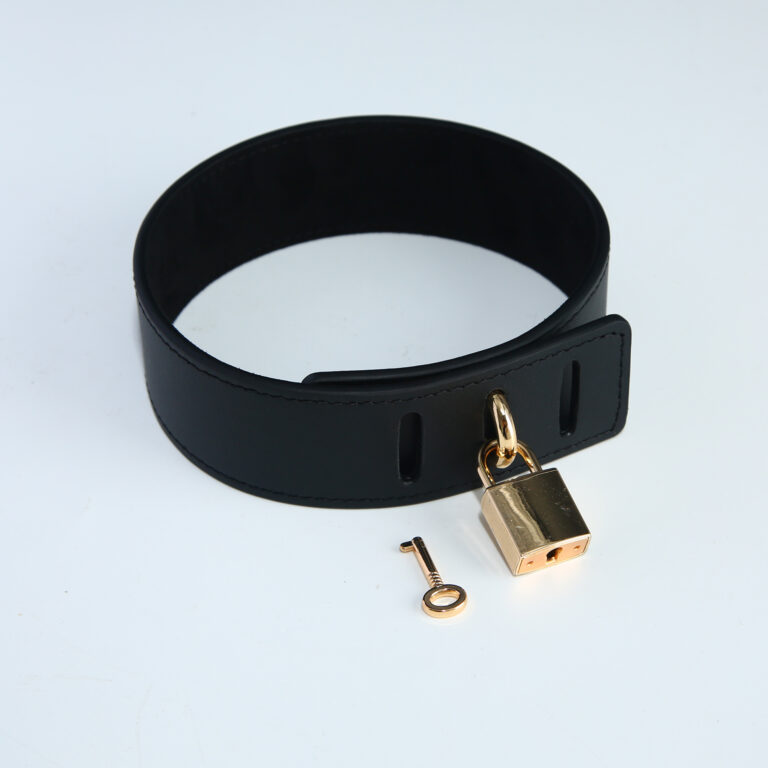
- Visual Appeal: Leather offers a sleek, refined aesthetic that is inherently attractive. Its natural sheen, rich color, and the way it molds to the body create a powerful visual statement. Our BDSM Fetish Collar exemplifies the elegant lines and robust form that only high-quality leather can provide. The craftsmanship in Zaoyi Bondage’s leather pieces, such as the stitching and hardware, adds to their perceived quality and visual allure.
- Tactile Experience: The smooth, supple feel of genuine leather against the skin is a distinct sensory pleasure. Unlike some natural fiber ropes that can be rough, leather offers a consistent, luxurious touch. This tactile quality is a significant draw for many, contributing to the overall sensual experience of bondage restraints.
- Durability and Longevity: High-quality leather is exceptionally durable, maintaining its aesthetic and structural integrity over time with proper care. This longevity makes Zaoyi Bondage products a worthwhile investment for enthusiasts.
- Color Psychology in Leather: Just like rope, the color of leather can set the mood. Classic black leather evokes drama, power, and sophistication, while other colors can introduce playfulness or intensity. Zaoyi Bondage offers a range of colors and finishes to match diverse aesthetic preferences.
- Maintenance: While natural fiber ropes require specific conditioning, Zaoyi Bondage’s leather products are designed for ease of maintenance, ensuring they remain safe and sensually ready for years to come.
The choice of material should always align with the intended restraint style and duration 17. For those seeking a blend of exquisite aesthetics, superior tactile sensation, and enduring quality, Zaoyi Bondage’s premium leather bondage restraints are the definitive choice. Our collection, including various Cuffs and Collars, is meticulously crafted to enhance both the visual and tactile dimensions of restraint play.
3. Core Tying Techniques for Artistic and Expressive Outcomes
Mastering the art of tying bondage restraints involves understanding fundamental knotting and wrapping methods, and then applying them to create visually striking patterns and expressive forms. This section outlines key techniques, emphasizing their artistic potential and the philosophy behind their application.
3.1. Foundational Knots and Ties
For beginners, a solid grasp of foundational knots is essential, serving as building blocks for more complex and artistic designs 24.
- Single and Double Column Ties: These are fundamental for binding limbs, with the single column tie used for individual wrists or ankles, and the double column tie for binding two limbs together 24. They are crucial for both restraint and functional bondage.
- Karada: A foundational body harness that forms the basis for many intricate Shibari ties.
- Gote (TK – Te Kubi): A foundational knot, particularly important for suspension play, though it requires thorough research and adherence to safety guidelines due to its complexity and potential risks 24.
- Ladder Tie: This technique helps practitioners familiarize themselves with rope tension, emphasizing the importance of maintaining proper tension throughout a session 24.
- Webs: Versatile ties that can be applied almost anywhere on the body, allowing for extensive experimentation with patterns and styles while prioritizing comfort and safety 24.
3.2. Shibari vs. Western Rope Bondage: Artistic Approaches
While both styles involve bondage restraints, their artistic philosophies differ:
- Shibari (Kinbaku): Often differentiated from general Shibari, Kinbaku emphasizes erotic intensity and emotional connection, though both focus on visual beauty and aesthetics 19. Shibari typically uses non-stretchy natural fiber ropes (5-6mm diameter), prioritizing friction and wraps over bulky knots 23. A common technique involves using the rope doubled over at the middle, known as the “bight,” and working towards the ends, with a strong focus on aesthetics 23. The body becomes a canvas, and the ropes are the medium, requiring an understanding of anatomy and aesthetics 25.
- Western Rope Bondage: This style often blends Japanese techniques with modern, symmetrical, and theatrical aesthetics. It frequently prioritizes practical restraint and can incorporate elements of dominance and submission 20.
3.3. The Art of Tension and “Rope Space”
Beyond the knots themselves, the mastery of rope tension is paramount. It’s not merely about tightness but about achieving a balance that ensures safety, comfort, and creates an emotional connection 23. This careful application of tension contributes to the “rope space”—an altered mental and emotional state experienced by both the rigger and the “bunny” (the person being tied) 6. This state can be characterized by meditation, euphoria, surrender, focus, and a silent conversation communicated through the knots 6.
3.4. Artistic Expression and Practice
Tying bondage restraints is a profound form of artistic expression, akin to painting or sculpture 25. It requires understanding the human form, the properties of the materials, and the principles of design. Experimentation with different ties, patterns, and rope colors is encouraged to develop a distinctive style 3. Practicing on objects can help riggers grasp cross-tension and develop their expressive and artistic styles 28.
While Zaoyi Bondage specializes in leather bondage restraints, these tying techniques and artistic principles are equally applicable. Our leather cuffs, collars, and harnesses can be integrated into complex rope ties or used independently to create stunning, sculptural forms. For instance, a well-placed Elegant T-Chain BDSM Collar can serve as a central anchor for intricate rope work, or our Luxury Bondage Straps Set can be used to create visually compelling patterns on its own. The quality and design of Zaoyi Bondage products enhance the artistic potential of any tying endeavor.
4. Crafting Compelling Visual Narratives with Restraints
Presenting tied bondage restraints in various contexts—be it photography, performance, or artistic displays—requires a keen understanding of visual storytelling and composition. The goal is to maximize their allure and generate interest through thematic development, setting, and the interaction between the subject and the restraints.
4.1. Compositional Strategies
Drawing inspiration from renowned artists, compelling visual narratives can be crafted:
- Unexpected Angles and Framing: Aleksander Rodchenko, a Constructivist photographer, famously experimented with composition by framing subjects from unusual perspectives (above, below), encouraging viewers to see familiar things in new ways 32. Applying this to bondage restraints can create dramatic and thought-provoking imagery.
- Juxtaposition and Contrast: La bellezza degli bondage restraints often lies in their juxtaposition with the body’s natural curves 8. Creating patterns that contrast and complement the human form enhances visual interest.
- Negative Space: Utilizing negative space effectively can define the subject by shaping the area around it, adding depth and sophistication to the composition 13.
- Storytelling through Imagery: Guy Bourdin’s fashion photography created images with fascinating stories and compositions, prioritizing the narrative over the product 32. Similarly, bondage restraints can be used to tell a story, evoking emotions, power dynamics, or a sense of vulnerability and surrender.
4.2. Setting the Scene: Ambiance and Context
The environment in which bondage restraints are presented significantly impacts their allure:
- Lighting: Soft, ambient lighting is crucial for highlighting the intricate details of the ties and creating an intimate, sensual atmosphere 9. Darker lighting, combined with music, can create a more intense or mysterious mood 25.
- Background and Props: Traditional Japanese settings, such as tatami mats and sliding paper doors, have influenced modern Shibari photography, recreating classical compositions 7. The choice of background, props, and costumes can enhance the visual narrative and thematic depth 9.
- Model Interaction: The interaction between the model and the bondage restraints, as well as their expression and posture, are vital for conveying the intended narrative and emotional impact. Man Ray’s surrealist photographs, for instance, involved collaborative creative processes with models he knew personally, complicating interpretations of his bondage imagery 30.
4.3. Thematic Development and Symbolism
Bondage restraints can be powerful symbols, conveying complex themes:
- Exploration of Control and Surrender: Artists like Jimmy DeSana, in his “Suburban series,” explored the disciplining of bodies and pushed boundaries of comfort through bizarrely positioned, leather-bound figures 29. His work, predating Mapplethorpe, emphasized composition while challenging societal norms.
- Challenging Gender and Sexuality: Man Ray’s sadomasochistic photographs (1929–1932) challenged heteropatriarchal gender conceptions by dissolving active/passive and male/female binaries 30.
- Societal Commentary: Emma Sulkowicz’s performance art piece, “The Ship Is Sinking” (2017), used bondage to explore sex, consent, societal beauty standards, and the art world, embodying a figurehead or a witch tied to the stake 31.
- Eroticism and Fantasy: Madonna’s “Erotica” album (1992) and accompanying “Sex” book explored themes of S&M and homophobia, using bondage imagery to delve into sex and romance during the HIV/AIDS era 33.
Zaoyi Bondage’s premium leather bondage restraints are not just tools but integral components of these visual narratives. Our products, from the Zaoyi Bondage Hood Mask to the Lingerie Imbracatura BDSM di Lusso, are designed to be visually striking and contribute to the overall aesthetic and thematic richness of any presentation. They offer a sophisticated means to craft compelling stories and captivate an audience, whether in photography, performance, or artistic displays.
5. The Psychology of Allure: Understanding Attraction to Restraint Play
The attraction to bondage restraints and consensual restraint play is deeply rooted in a complex interplay of psychological and emotional factors. Understanding these drivers is key to attracting more people to this nuanced art form, as it goes beyond mere physical sensation to touch upon profound human desires and experiences.
5.1. Conscious Surrender and Trust
At the core of modern kink practice, the allure of restraint lies in conscious surrender. This involves individuals willingly relinquishing control within a consensual and trusted dynamic, fostering feelings of safety, emotional release, and liberation 34. This act of vulnerability within a trusted relationship mirrors dynamics found in attachment theory, suggesting that such vulnerability can be deeply nourishing 34. The “bunny” (person being tied) experiences freedom in surrender, while the “rigger” (person tying) assumes responsibility and control 25.
5.2. Sensory Engagement and Somatic Loops
Bondage restraints engage powerful somatic loops, which are the intricate connections between the body and mind 34. The physical experience of being held or tied can trigger arousal through the nervous system. Anticipation, such as waiting for restraint or sensory deprivation (e.g., with a Leather BDSM Blindfold), can heighten excitement even before physical touch occurs 34. These intertwined psychological and physical signals amplify pleasure and emotional intensity 34. The sensory experience provided by Shibari, through the feel of the rope, tension, and pressure, can range from soothing to provocative 22.
5.3. Power Dynamics and Fantasy Fulfillment
BDSM, encompassing Bondage and Discipline, Dominance and Submission, and Sadism and Masochism, involves physical, psychological, and sexual role-play with power exchange between consenting participants 35. Key elements often include power play, physical restraint, strong sensory experiences, and the enjoyment of physical and psychological control 35. The thrill of the forbidden, combined with the fulfillment of fantasies related to control, surrender, or specific roles, contributes significantly to the allure. Men, for instance, tend to be more aroused by playing the dominant role, potentially reflecting sex differences in preferences for masculine traits and behaviors 35.
5.4. Neurobiological and Emotional Responses
Consensual BDSM play can transform stress into pleasurable focus, indicating a mechanism where the body’s stress response is re-interpreted as a source of enjoyment 34. The neurobiological tension theory suggests that managing the conflict between “go” and “no-go” impulses heightens excitement 34. Sexual anticipation and state changes induced by restraint can trigger chemical reactions in the body, leading to heightened sensitivity and even altered states of consciousness, reinforcing the appeal 34. Research indicates cortisol changes in submissives and endocannabinoid changes in both submissives and dominants, implicating the physiological stress, pleasure, and reward systems 38.
5.5. Positive Psychological Effects and Healing
Contrary to common misconceptions, empirical studies suggest that BDSM practitioners generally have non-remarkable psychological profiles and are often less neurotic, more open, less sensitive to rejection, and more securely attached than the general population 35. BDSM practices can positively impact self-awareness, authenticity, and a sense of freedom from adult responsibilities 36. Furthermore, a subset of BDSM known as “Trauma Play” allows adults to consensually engage in activities related to past trauma or abuse, with active awareness of this connection, potentially serving as a healing modality 37.
Zaoyi Bondage’s premium leather bondage restraints are crafted to facilitate these profound psychological experiences. The quality and design of our products, such as the Luxury Bondage Set or the Lavish “X” Hogtie BDSM Dangerous, are intended to enhance trust, deepen sensory engagement, and support the exploration of power dynamics within a safe and consensual framework. By providing superior tools, Zaoyi Bondage empowers individuals to explore the rich psychological landscape of restraint play, attracting those who seek deeper connection, self-discovery, and profound sensory experiences.
6. Ethical Frameworks for Public Engagement and Content Creation
Engaging with bondage restraints in public forums, whether through artistic displays, photography, or online content, necessitates a robust ethical framework. This ensures responsible practices, fosters a positive community, and navigates the complex landscape of legal and platform-specific regulations. Zaoyi Bondage is committed to promoting ethical engagement in the bondage restraints community.
6.1. Informed Consent: The Cornerstone of Ethical Practice
Mutual informed consent is the absolute critical distinction between consensual BDSM and abuse 47. This extends beyond the physical act to include discussions on safety precautions, potential consent violations, and community education on consent etiquette 47.
- Visual Informed Consent (VIC): For content creation, Visual Informed Consent (VIC) is a method that uses film to capture the clarification of data collection purposes, information usage, and participant rights, risks, and benefits, as well as the participant’s understanding and consent 48. This method aims to replace traditional paper-based consent procedures, offering a more comprehensive record.
- Legal Release Forms: When creating adult content, legally binding release forms are essential for all individuals featured, specifying content ownership, usage rights, and terms for removal, resale, or editing. A 2257 form is a legally-binding document often mentioned in the fine print of adult content sites 42.
6.2. Respectful Representation and Community Interaction
Ethical engagement demands respectful representation, actively avoiding the perpetuation of racism, ableism, sexism, homo/transphobia, and classism 49. It is crucial to reflect awareness of societal biases and to amplify the voices of disabled and racialized practitioners to understand oppression and resistance within the subculture 49.
- Privacy and Confidentiality: Artists and creators must prioritize client privacy, especially when displaying bondage restraints art, and may need to limit the exposure of certain works.
- Community Building: Fostering a positive community involves blocking users who shame or harass creators, avoiding poaching from other creators, and ensuring respectful communication. Actively supporting and acknowledging the work of other creators helps ensure more content is created and shared 52.
- Trasparenza: Artists should be honest and transparent in their work, avoiding hiding behind social conventions 51.
6.3. Navigare tra considerazioni legali e di piattaforma
La visualizzazione e la diffusione pubblica di bondage restraints contenuti sono soggetti a varie restrizioni legali e specifiche della piattaforma.
- Restrizioni sui contenuti da parte delle piattaforme: I fornitori di servizi finanziari e tecnologici, così come le piattaforme di social media, spesso impongono le proprie restrizioni sui contenuti per adulti, incluso il BDSM, per proteggere il loro marchio e la loro reputazione, anche se non legalmente richiesto 39. Queste politiche possono cambiare nel tempo.
- Il Test di Miller (U.S.): Negli Stati Uniti, i contenuti per adulti sono illegali solo se soddisfano il Test di Miller per l'oscenità (1973), che considera gli standard della comunità, le rappresentazioni palesemente offensive di condotta sessuale definite dalla legge statale e se l'opera manca di serio valore letterario, artistico, politico o scientifico 40. Tuttavia, questo test è considerato "inapplicabile nei tempi moderni" a causa dell'era digitale e delle diverse interpretazioni 40.
- Age Verification: Nuove normative, come quelle in Australia (marzo 2026), impongono controlli sull'età per l'accesso a siti web pornografici, potenzialmente utilizzando sistemi biometrici o basati sull'attività online, che devono anche rispettare le leggi sulla privacy.
- Campagna "Non Cancellare l'Arte": Questa campagna si batte contro la censura sulle piattaforme di social media come Facebook e Instagram, esortandole a riconsiderare le restrizioni sui contenuti artistici, a rivedere le presunte violazioni e a migliorare i processi di ricorso incorporando le prospettive degli artisti nelle politiche di moderazione dei contenuti 43.
- Leggi sulla Visualizzazione Pubblica: Le leggi relative alla visualizzazione pubblica di materiale sessualmente esplicito variano, ma generalmente escludono opere d'arte o di significato antropologico 46.
Zaoyi Bondage, come marchio, si dedica a sostenere questi standard etici. Crediamo che la bellezza e la profondità psicologica di bondage restraints possano essere apprezzate ed esplorate responsabilmente. Il nostro impegno per la qualità, la sicurezza e le pratiche etiche garantisce che i nostri prodotti, da Zaoyi Bondage Best Sellers to Zaoyi Bongdage New Arrivals, siano utilizzati in modi che rispettino tutti i partecipanti e contribuiscano positivamente alla comunità. Aderendo a questi quadri, miriamo ad attrarre individui che valorizzano il consenso, il rispetto e l'integrità artistica nella loro esplorazione di bondage restraints.