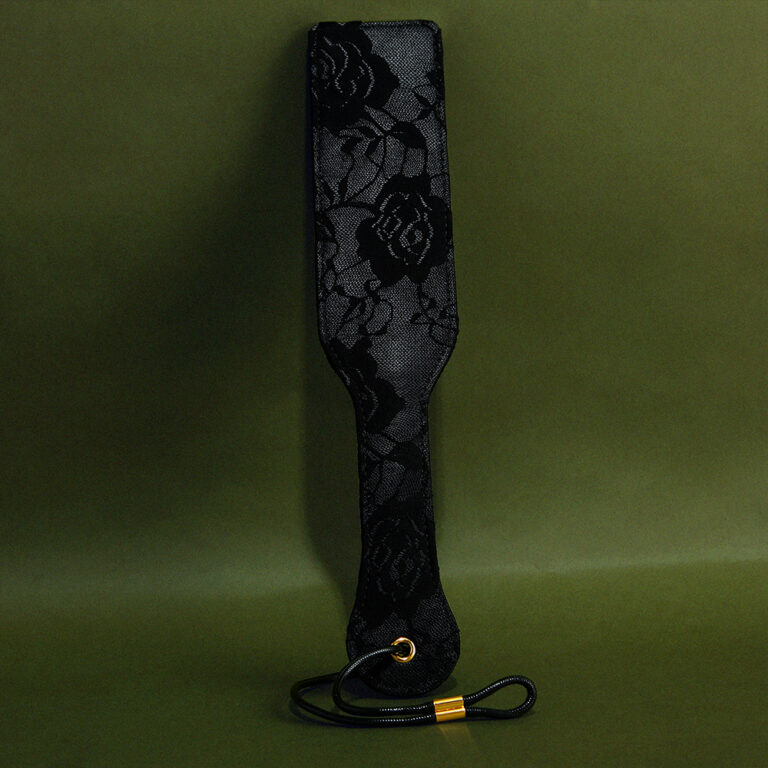

How Bondage Leg Restraints Elevate Control, Submission, and Pleasure
Introduction: Framing the Experiential Impact of Bondage Leg Restraints in BDSM
The realm of BDSM (Bondage and Discipline/Dominance and Submission/Sadism and Masochism) is a complex tapestry of consensual power dynamics, intense sensory experiences, and profound psychological exploration 18. Within this intricate landscape, Bondage Leg Restraints emerge as pivotal tools, fundamentally altering physical states and psychological perceptions to experientially elevate control, submission, and pleasure. This report delves into the multifaceted ways in which specific types of Bondage Leg Restraints—cuffs, ropes, stocks, and spreaders—are utilized to achieve these heightened states. Our analysis will encompass the distinct perspectives of dominant, submissive, and switch individuals, recognizing that the experience of restraint is deeply subjective and role-dependent.

At its core, BDSM is defined by consensual power play and physical restriction, which, contrary to common misconceptions, is increasingly recognized as a healthy form of intimacy rather than a pathological practice 18. Research indicates that BDSM practitioners often report psychological well-being comparable to, or even higher than, the general population, largely due to the foundational emphasis on explicit consent, clear communication, and profound trust within these relationships 228. The deliberate engagement with Bondage Leg Restraints allows participants to explore aspects of identity, desires, and fantasies in a safe, negotiated space, fostering greater self-awareness and empowerment 28. This exploration is not merely physical; it is a sophisticated form of neurological engineering, where scenes are structured to shape neurochemical states, following an arc of anticipation, dopamine release, endorphins, and emotional catharsis 7. The use of Bondage Leg Restraints is central to this process, providing the physical anchor for these profound psychological and physiological shifts.
Typology and Experiential Contributions of Bondage Leg Restraints
The diverse array of Bondage Leg Restraints each offers unique contributions to the physical and psychological sensations that underpin the experiential elevation of control, submission, and pleasure. Understanding these distinctions is crucial for appreciating their nuanced impact within BDSM play.

Cuffs: Defined Restriction and Psychological Impact
Bondage Leg Restraints in the form of cuffs, particularly those crafted from rigid materials like metal or robust leather, impose a distinct sense of defined restriction and immobility [L2.2]. This tangible limitation can profoundly influence the submissive’s psychological state, fostering feelings of helplessness and vulnerability that are often intentionally sought within BDSM scenarios [L2.2]. The solid, unyielding nature of cuffs, such as Fetish Ankle Cuffs or Diamond BDSM Cuffs, limits movement more drastically than other forms of restraint, creating a clear boundary of physical control. The material itself plays a significant role; Leather Bondage Cuffs or Elegant Bondage Cuffs provide a firmer, more constricting pressure compared to softer alternatives like Fluff Tender BDSM Cuffs(2025Winter), which might offer a more yielding sensation while still providing security [L2.1]. The visual impact of these restraints, from the sleek design of Stylish Sex Cuffs 2 Straps to the more ornate Luxury Gothic Handcuffs or Elegant Vintage Lace Sex Handcuffs, also contributes to the overall aesthetic and psychological atmosphere of the scene.
Ropes: Versatility in Sensory and Psychological Play
Ropes, as a form of Bondage Leg Restraints, stand out for their unparalleled versatility, offering a vast spectrum of sensory and psychological experiences [L2.3]. The choice of rope material, from soft cotton to durable nylon, directly impacts the tactile sensation [L2.1]. Different tying techniques allow for varying degrees of pressure, ranging from gentle, almost caressing embraces to intensely constricting ties that create deep pressure points. This adaptability means ropes can be used to distribute pressure broadly or to target specific erogenous zones, leading to varied nerve stimulation [L2.6]. Beyond the physical, the intricate visual artistry of rope bondage contributes significantly to the overall aesthetic and psychological impact, inducing feelings of anticipation, vulnerability, and profound surrender [L2.3]. The process of being meticulously tied can become a meditative experience, heightening the submissive’s awareness of their body and the dominant’s control.
Stocks: Exposure and Immobilization
Stocks, as a type of Bondage Leg Restraints, are designed for comprehensive immobilization and often, exposure [L2.4]. By fixing the legs in a rigid position, stocks heighten feelings of vulnerability and powerlessness. The complete inability to move the legs in stocks can profoundly amplify the psychological impact of being controlled and dominated [L2.4]. Furthermore, the historical context of stocks as a device for public punishment can imbue their use with an additional layer of humiliation or degradation, which, for some, adds to the intensity and taboo allure of the experience [L2.4]. The forced posture in stocks also necessitates careful ergonomic consideration to prevent strain on joints like the knees and hips, especially during extended use [L2.7].
Spreaders: Enhanced Vulnerability and Sensory Overload
Spreaders, a distinct category of Bondage Leg Restraints, are specifically designed to force the legs apart, creating an immediate and intense sense of exposure and vulnerability [L2.5]. This forced posture can significantly heighten sensory input to the genitals and inner thighs, leading to amplified arousal or, depending on the scene’s intent, discomfort [L2.5]. The inherent helplessness derived from the inability to close one’s legs or adjust one’s position is a powerful psychological component. Like other restraints, spreaders require careful attention to ergonomic considerations to prevent muscle strain or joint pain if the legs are forced beyond comfortable limits [L2.7]. The deliberate use of spreaders can create a state of sensory overload, contrasting with the sensory deprivation that other restraints might induce, leading to intensely focused and amplified sensations [L2.11].
General Considerations for Bondage Leg Restraints
Regardless of the specific type, all Bondage Leg Restraints necessitate careful consideration of pressure distribution and nerve stimulation [L2.6]. Improper application can lead to serious issues such as nerve damage or circulation problems [L2.7][L2.10]. The impact on blood flow and circulation is a critical safety concern; cuffs, due to their constricting nature, pose a higher risk of restricting blood flow compared to looser rope ties [L2.10]. Therefore, understanding the principles of safe restraint, including regular checks for circulation and sensation, is paramount to prevent injury [L2.7][L2.10]. The ability to customize and modify Bondage Leg Restraints, such as adding padding to cuffs or adjusting spreader angles, allows for significant alteration of sensory input and psychological effects, tailoring the experience to individual preferences [L2.13].
The Dynamics of Control and Submission: An Experiential Lens
Bondage Leg Restraints serve as powerful catalysts in intensifying the lived experience of control for the dominant and submission for the submissive. These tools facilitate profound psychological shifts, intricate power dynamics, and unique physical sensations.
Physical Restriction as a Foundation
The most immediate and fundamental mechanism by which Bondage Leg Restraints intensify control and submission is through direct physical limitation of mobility [L3.1]. This physical restriction creates a tangible state of dependence, acutely heightening the submissive’s awareness of their vulnerability and reliance on the dominant [L3.1]. The inability to move freely serves as a constant, undeniable representation of the established power dynamic, grounding the psychological experience in a physical reality. This physical constraint can also amplify other sensory inputs; the submissive may become hyper-attuned to subtle touches, changes in temperature, or the dominant’s mere presence, intensifying the overall immersive experience [L3.2].
Psychological Vulnerability and Trust
The act of submitting to Bondage Leg Restraints demands an extraordinary degree of trust [L3.7]. The submissive willingly places themselves in a profoundly vulnerable position, relinquishing physical autonomy. This deliberate choice transforms vulnerability from a potentially negative association, often linked to powerlessness or past trauma, into an act of profound agency and connection [L7.1]7.4. For the submissive, the sense of safety, fostered by open communication and consistent reassurance from the dominant, is a crucial prerequisite for embracing this vulnerability and experiencing pleasure L7.3. The dominant’s responsible and ethical use of this power is not just a safety measure but a cornerstone for maintaining and deepening this essential trust [L3.7].
Power Exchange and Psychological Shifts
Bondage Leg Restraints are instrumental in facilitating and intensifying the power exchange inherent in D/s dynamics. The dominant’s deliberate application of restraints, often as part of an elaborate pre-play ritual, signals a clear transition into the BDSM scene, reinforcing the established power dynamic through anticipation and expectation [L3.4][L5.3]. This ritualistic aspect can be deeply satisfying for the dominant, who finds pleasure in orchestrating the submissive’s experience and witnessing their surrender [L5.1][L5.5]. For the submissive, surrendering control can trigger the parasympathetic nervous system, promoting relaxation and, for some, leading to the altered state of consciousness known as “subspace” [L1.7]. This deliberate exchange of power, consciously given rather than taken, deepens self-awareness, trust, and emotional connection for both partners [L1.8].
However, it is crucial to acknowledge potential psychological pitfalls. Unhealthy power dynamics can lead to dominant overwhelm, characterized by guilt or perfectionism, and submissive burnout, stemming from emotional exhaustion due to overgiving [L1.9]. Therefore, trust remains the absolute foundation for successful D/s relationships, requiring both partners to communicate openly and believe in each other’s best interests [L1.10].
Non-Verbal Communication and Sensory Deprivation
Bondage Leg Restraints can profoundly influence non-verbal communication within a scene. By forcing a submissive into specific postures, restraints can amplify their body language, making their reactions more pronounced and readable for the dominant [L3.3]. This creates a powerful feedback loop of control and response, where the dominant can intuitively adjust their actions based on the submissive’s physical cues.
Furthermore, Bondage Leg Restraints can be effectively combined with other forms of sensory deprivation, such as blindfolds or hoods, to heighten the submissive’s dependence on the dominant and amplify their sensory experience when those senses are selectively reintroduced [L3.13]. For instance, a Leather BDSM Blindfold or a Fetish BDSM Hood used in conjunction with Bondage Leg Restraints can create an intense focus on touch and sound, making these sensations far more potent [L6.17]. The use of a Zaoyi Bondage Hood Mask or a Genuine Leather BDSM Hood can further enhance this effect, isolating the submissive in their own sensory world, entirely reliant on the dominant’s guidance.
Duration, Escalation, and Context
The duration for which Bondage Leg Restraints are applied significantly impacts the submissive’s psychological state; longer periods can intensify feelings of vulnerability and dependence [L3.6]. Similarly, the gradual tightening or addition of restraints can create a powerful sense of escalating control, building anticipation and deepening the immersive experience [L3.6]. The environment or context in which Bondage Leg Restraints are used also plays a crucial role in shaping the overall experience, enhancing the sense of immersion and intensifying the power dynamic [L3.12]. This deliberate control over the physical and psychological environment allows for a profound exploration of limits, always conducted with care, respect, and continuous communication [L3.11].
Elevating Pleasure: The Centrality of Bondage Leg Restraints in BDSM Play
The amplification of pleasure is a central tenet of BDSM, and Bondage Leg Restraints are instrumental in achieving this through a complex interplay of physical restriction, psychological release, sensory manipulation, and emotional intensity.
Neurochemical Pathways to Pleasure
The profound pleasure experienced in BDSM, particularly when involving Bondage Leg Restraints, is deeply rooted in neurochemical responses. Activities that induce physical restriction and controlled stress trigger the release of a cocktail of neurochemicals, including adrenaline, noradrenaline, dopamine, serotonin, and endorphins [L1.2][L6.5]. Adrenaline and noradrenaline contribute to feelings of excitement and an initial rush, while dopamine, the “reward neurotransmitter,” is associated with pleasure, motivation, and reinforcement [L1.2][L6.5]. Serotonin further enhances feelings of euphoria, confidence, and self-esteem [L1.3][L6.5].
Perhaps most notably, the sensation of pain transforming into pleasure in BDSM is strongly linked to the release of endorphins [L1.12][L6.5]. These endogenous opioids act as natural painkillers, creating feelings of euphoria and relaxation, akin to a “runner’s high” [L1.12]L6.5. This physiological pleasure response to pain has been confirmed by studies, which indicate that while submissives may experience direct physiological pleasure from pain, dominants often derive pleasure more from the power dynamics themselves L4.3.
The altered state of consciousness known as “subspace,” frequently experienced by submissives during intense BDSM play, is believed to result from this neurochemical cascade, particularly the release of dopamine and serotonin [L1.3][L6.6]. Subspace is characterized by a euphoric, relaxed state, a disconnect from daily worries, and heightened focus on the present moment, similar to mindfulness meditation [L1.29]L4.7[L6.20]. There are even distinctions between “noradrenergic subspace,” involving heightened pain tolerance and outward-directed attention, and “endorphin subspace,” which produces deeper analgesia and euphoria [L6.31][L6.32]. While the endorphin rush might raise concerns about addiction due to its similarity to opioid effects, endorphins are rapidly degraded by the body’s enzymes, mitigating this risk [L6.33].
The Paradox of Pain and Pleasure
The transformation of pain into pleasure within BDSM is a fascinating phenomenon, influenced by a complex interplay of emotional, physiological, and psychological factors L4.6. Unlike pain experienced in daily life, BDSM pain is voluntary, consensual, and contextualized as safe, allowing the parasympathetic system to counterbalance the stress response, leading to relaxation and heightened arousal [L1.28]L4.4. This recontextualization of pain is facilitated by neural networks, neurotransmitters, endogenous opioids, and endocannabinoids, all interacting within a specific environmental and emotional context L4.6[L6.24].
Research into brain activity during BDSM reveals the involvement of regions associated with pleasure and reward (parietal operculum, ventral striatum), pain perception (somatosensory cortex), empathy (anterior insula, cingulate cortex), and social/sexual interactions (frontal cortex) [L1.17][L6.22]. Studies on masochists, for instance, show activation in sensory-discriminative pain processing areas rather than affective ones, suggesting a mechanism for attenuating the emotional aspects of pain [L6.27][L6.28].
Sensory Manipulation and Psychological Release
Bondage Leg Restraints are expertly used to manipulate sensory input, leading to amplified pleasure. By restricting movement, they can create a sense of anticipation and focus attention on specific erogenous zones, intensifying sensation [L5.7]. This physical limitation can also lead to a psychological release from daily responsibilities and cognitive load, as the submissive surrenders control and allows the dominant to guide the experience [L1.7]. This “Joy Of Missing Out” (JOMO), where deliberately binding attention and “missing out” on external distractions intensifies the present experience, is a key aspect of pleasure amplification L4.9.
The concept of “transbivalence,” intentionally stepping beyond reactions to ambivalence without negating its conceptual content, also plays a role in generating inner integrity and deepening the experience L4.10. This psychological depth, combined with the physical sensations provided by Bondage Leg Restraints, creates a uniquely potent form of pleasure.
Hormonal and Physiological Underpinnings
Beyond neurotransmitters, hormonal changes also contribute to the BDSM experience. Cortisol, a stress hormone, shows changes in submissives, indicating the involvement of the physiological stress system, which can be counterbalanced by the parasympathetic system when pain is associated with pleasure L4.4[L6.21][L6.25]. The endocannabinoid system, influencing both pleasure and pain, and the dopaminergic reward system, crucial for sexual pleasure, are also implicated, moderated by hormones like oxytocin, vasopressin, estrogens, and testosterone [L6.24][L6.26]. These complex biological interactions reinforce the pleasure derived from BDSM activities.
Furthermore, BDSM practitioners often exhibit higher pain thresholds, which can be further elevated through engagement in BDSM, particularly for submissives [L6.13]L6.15. This increased tolerance allows for deeper exploration of sensation and pleasure. The subjective nature of pain perception means that the context, trust, and perceived admiration within the BDSM community can all influence how pain is experienced and transformed into pleasure L6.14.
Role-Specific Experiences: Dominant, Submissive, and Switch Perspectives on Bondage Leg Restraints
The experiential elevation of control, submission, and pleasure through Bondage Leg Restraints is uniquely perceived, enacted, and internalized by individuals based on their roles as dominant, submissive, or switch.
The Dominant Perspective
For the dominant, the use of Bondage Leg Restraints is far more than mere physical control; it is a multifaceted experience encompassing responsibility, care, and the meticulous orchestration of sensation [L5.1]. Dominants often express a profound aesthetic appreciation for the restrained form, viewing the submissive’s bound body as a canvas for power dynamics and visual artistry [L5.2]. The lines, the posture, and the inherent vulnerability created by Bondage Leg Restraints all contribute to this aesthetic pleasure.
The process of applying Bondage Leg Restraints is frequently part of an elaborate pre-play ritual, which serves to heighten anticipation and build trust [L5.3]. The dominant’s deliberate movements and focused attention during this process are crucial, signaling their commitment and care. Throughout the scene, verbal affirmation and ongoing communication are paramount for the dominant, ensuring the submissive’s comfort and safety while simultaneously reinforcing the power dynamic [L5.4].
A significant source of satisfaction for the dominant lies in witnessing and facilitating the submissive’s surrender, which is perceived as a profound act of trust and vulnerability [L5.5]. This surrender is not solely physical but extends to psychological and emotional realms. The concept of “responsible power” is central to the dominant’s ethos, involving a deep understanding of the submissive’s limits, unwavering respect for their boundaries, and an unwavering prioritization of their well-being [L5.6].
Dominants strategically use Bondage Leg Restraints to amplify the submissive’s pleasure, focusing attention on specific erogenous zones and building anticipation [L5.7]. The restriction itself can heighten sensation, making subsequent touches or stimuli more intense. The dominant’s own pleasure is not solely derived from exerting control but also from the powerful sensory experience of witnessing the submissive’s response—their moans, struggles, and eventual surrender [L5.8]. Bondage Leg Restraints are seen as versatile tools for exploring diverse power dynamics and sensory experiences, allowing for a deeper understanding of the submissive’s desires and limits [L5.9]. Skilled dominants master the art of creating tension and release through restraint, building anticipation and then strategically releasing it for moments of relief and heightened pleasure [L5.10]. Customization and personalization of restraint techniques further demonstrate care and attention, enhancing the power dynamic [L5.11]. Engaging in BDSM, particularly with Bondage Leg Restraints, allows dominants to challenge societal norms and explore alternative expressions of sexuality and power, often leading to a liberating and empowering experience [L5.13]. The entire process, including the negotiation of power and the establishment of clear terms beforehand, underscores the paramount importance of trust and consent [L5.15].
The Submissive Perspective
For the submissive, the experience of Bondage Leg Restraints is a journey into chosen vulnerability and profound surrender. While terms like “vulnerability” and “surrender” can initially evoke negative associations due to past experiences or societal conditioning, particularly for women, within consensual BDSM, they are redefined as acts of deliberate agency L7.1. Past trauma can significantly shape the perception of these concepts, making a sense of safety absolutely crucial for the submissive to embrace pleasure and connection [L7.2]L7.3.
The ability to choose vulnerability and surrender is paramount; these concepts become empowering when they are a deliberate act rather than a loss of control [L7.4]. This choice allows for authentic self-expression and deep connection with oneself and the dominant L7.5. Submissives often find immense pleasure in the release from responsibility and cognitive load that comes with surrendering control, allowing them to enter a state of “subspace” where daily worries fade [L1.7]. This trust in the dominant to guide and care for them is foundational [L1.4].
The therapeutic aspects of BDSM, including the use of Bondage Leg Restraints, can even offer a framework for trauma processing, allowing individuals to engage with past traumas from a place of agency, control, and pleasure [L1.23][L6.18]. Continuous communication with the dominant is vital to adapt to evolving needs and ensure a sustained sense of safety and pleasure [L7.8]. Ultimately, submissives flourish in relationships where they can choose to let go, feel safe, supported, and heard, knowing their partner prioritizes their happiness and pleasure L7.10. The experience of Bondage Leg Restraints can lead to increased personal freedom, adventure, self-expression, stress relief, positive emotions, and profound pleasure [L1.30].
The Switch Perspective
Individuals who identify as “switches” embody a unique fluidity within BDSM, capable of experiencing and enacting both dominant and submissive roles, often within the same scene or across different encounters L8.1. This role fluidity, as explored by Martinez (2018), highlights how identities and play can shift based on time, location, scene, and partner L8.1.
The switch perspective on Bondage Leg Restraints is particularly insightful because it allows for a comprehensive understanding of the dynamics from both sides. Having experienced the physical restriction and psychological surrender as a submissive, a switch can then, as a dominant, more empathetically and effectively orchestrate the scene, understanding the nuances of pressure, vulnerability, and release. Conversely, having wielded control as a dominant, a switch in a submissive role can more fully lean into the surrender, trusting the dominant’s intentions and appreciating the deliberate nature of the power exchange.
Research suggests that women and queer/pansexual individuals often disrupt traditional dominant/submissive binaries through their switch identities and roles, offering the potential to transform these established structures within BDSM [L8.3]L8.4. This fluidity allows for a richer, more adaptable, and often more profound exploration of control, submission, and pleasure, as the switch can draw upon a broader spectrum of lived experiences to enhance their play, whether they are applying or receiving Bondage Leg Restraints.
Ethical Frameworks and Best Practices for Pleasurable Bondage Leg Restraint Play
The pursuit of experiential elevation through Bondage Leg Restraints is inextricably linked to robust ethical frameworks and best practices. Informed consent, clear communication, aftercare, and stringent safety protocols are not merely guidelines but critical pillars ensuring that the experience remains positive, consensual, and physically and psychologically safe.
Informed Consent and Communication
The cornerstone of any BDSM activity, especially those involving Bondage Leg Restraints, is informed consent L9.1. This necessitates explicit agreement among all participants on limits, desires, safewords, gestures, and codes to prevent any miscommunication L9.1. A thorough pre-scene discussion is crucial, leaving “no single coin unturned” to ensure everyone is comfortable and fully aware of the planned activities and boundaries [L9.2]. This includes discussing kinks, hard limits (absolute no-gos), soft limits (areas of caution), wishes, and expectations L9.1.
During play, constant communication is vital. Even when physically restrained by Bondage Leg Restraints, the submissive must be able to communicate any discomfort, numbness, or pain to the dominant [L9.4]. This continuous dialogue ensures that the scene remains within agreed-upon boundaries and that the submissive retains agency, even in a state of surrender.
Safety Protocols and Risk Management
Physical safety is paramount when using Bondage Leg Restraints. The “Two-Finger” Rule is a widely accepted guideline: when applying restraints, ensure that two fingers can easily slip between the restraint and the skin to prevent overly tight ties that can cause injury L9.3. Dominants must constantly monitor the submissive for physical signs of distress, such as straining or changes in skin color, and immediately loosen or cut ties if these occur [L9.5].
It is an absolute rule never to leave a submissive alone while they are restrained, especially with complex bondage, due to the risk of self-injury L9.6. If the dominant must leave, the submissive should be untied or the restraints simplified to ensure their safety L9.6.
Medically, risks in bondage and restraint can be categorized as low, medium, and high L9.7. Even low-level risks, such as rope/leather burns, marks, bruises, or temporary circulation impairment, require precautions to prevent escalation L9.8. Proper restraint placement is critical: restraints should be applied with approximately 1.5 inches of space between the body and the restraint, preferably on areas with more musculature to protect vulnerable areas L9.9. It is crucial to avoid placing load-bearing pressure on joints, visible blood vessels/veins, or areas without major musculature like wrists, shins, ankles, or the neck L9.9.
After removing Bondage Leg Restraints, circulation monitoring is essential. Checking for a pulse in the affected limb is a standard practice, and if no pulse is detected, a physician should be consulted before fully releasing the restraint [L9.10]. Rapid return of circulation after prolonged restriction can lead to serious health complications or even cardiac arrest due to the sudden flow of built-up lactic acid L9.11. Furthermore, if nerve damage is suspected, immediate and safe action is required, as it can become permanent without prompt intervention L9.12. Utilizing comprehensive tools like a Zaoyi Restraint Kits or a ラグジュアリーボンデージセット can help ensure that all necessary components for safe play are readily available. For those seeking a more adventurous experience, a BDSMキット ワイルドボンデージ or ラグジュアリーボンデージストラップセット(3ピース) can provide a range of options, while a バッドブラッド拘束キット(3ピース) might cater to specific aesthetic preferences, all while emphasizing safety.
Aftercare: Nurturing Well-being Post-Scene
Aftercare is an indispensable component of BDSM play, crucial for the physical and emotional well-being of both the dominant and submissive [L9.13]. It involves providing comfort, reassurance, and opportunities to process the experience. Physical aftercare may include gentle touch, hugging, massage to restore proper circulation, stretching, or yoga [L9.14][L5.12]. Rehydration and eating are also important to restore the body’s optimal functioning, and any wounds should receive proper first aid L9.14.
Emotional aftercare is equally vital. Words of affirmation, such as telling the play partner they are safe, welcome, appreciated, and beautiful, are crucial for helping them regulate emotions and settle back down L9.15. Simple gestures like saying “thank you,” gentle humming, or happy moans can also be highly effective L9.15. Dominants prioritize aftercare to ensure the submissive feels safe and supported, reinforcing the trust that underpins the entire dynamic [L5.12]. Being mindful of temperature changes after a scene, as the submissive may feel cold due to sweat or revealing clothing, is also a practical aspect of aftercare [L9.16]. Ultimately, even within the context of BDSM and Bondage Leg Restraints, the submissive should always feel safe and cared for, with the dominant taking full responsibility for their well-being within the agreed-upon boundaries [L9.17]L9.18.
Conclusion: Synthesizing the Experiential Elevation
The utilization of Bondage Leg Restraints within BDSM is a sophisticated practice that profoundly elevates the experiential dimensions of control, submission, and pleasure. From the defined restriction of cuffs to the versatile embrace of ropes, the exposing nature of stocks, and the expansive posture induced by spreaders, each type of restraint uniquely contributes to a rich tapestry of physical sensations and psychological shifts.
For the dominant, Bondage Leg Restraints are tools for responsible orchestration, aesthetic appreciation, and the profound satisfaction of facilitating a submissive’s consensual surrender. For the submissive, they offer a pathway to chosen vulnerability, a release from daily burdens, and access to altered states of consciousness and intense pleasure, often mediated by a complex interplay of neurochemicals. Switches, by navigating both roles, gain a holistic understanding that enriches their engagement with these dynamics.
The interconnectedness of these elements is undeniable: the physical limitation imposed by Bondage Leg Restraints directly fuels psychological vulnerability, which, when coupled with trust and consent, unlocks profound pleasure. This intricate dance of power exchange, sensory manipulation, and emotional intensity is meticulously governed by ethical frameworks, emphasizing informed consent, continuous communication, and diligent aftercare. Ultimately, Bondage Leg Restraints are not merely implements of restriction but catalysts for deep connection, self-exploration, and the consensual pursuit of extraordinary experiences within the diverse and evolving landscape of BDSM.