
安全なプレイのための適切なボンデージ拘束具の選び方
Engaging in bondage play offers a unique avenue for exploration, intimacy, and thrill, but its foundation must always be built upon unwavering principles of safety, consent, and informed practice. For enthusiasts seeking to elevate their experiences, selecting the appropriate bondage restraint device is paramount. This guide delves into the critical considerations for choosing high-quality restraints, emphasizing the importance of material, design, and the nuanced dynamics of play. As a company specializing in premium, custom-manufactured leather bondage restraints, we understand that true luxury in this realm is synonymous with unparalleled safety, durability, and exquisite craftsmanship.

1. Foundational Principles for Safe Bondage Play
The journey into safe bondage play begins long before any bondage restraint device is introduced. It is rooted in a robust ethical framework that prioritizes the well-being and autonomy of all participants. The “4Cs” framework—Caring, Communication, Consent, and Caution—developed by professionals in psychology, sexology, and sociology, offers a comprehensive approach to ethical BDSM, encouraging personal interpretation and ethical debate beyond simple “right” or “wrong” guidelines 1. This framework is a vital evolution from basic conduct codes, providing a deeper understanding of the responsibilities involved.
At the core of this framework is consent, which is not merely a one-time agreement but an ongoing, dynamic dialogue. Consent is the cornerstone of all BDSM activities, guided by principles like “safe, sane, and consensual” (SSC) or “risk-aware consensual kink” (RACK) 2. RACK, in particular, acknowledges the inherent risks in play and emphasizes informed consent, requiring participants to actively research and educate themselves about potential risks 2. An even more evolved concept, PRICK (Personal Responsibility, Informed Consensual Kink), further emphasizes individual ownership of actions and understanding of risks 2.

Explicit communication is paramount, involving detailed discussions about boundaries, desires, and limits before any activity 2. These negotiation sessions are crucial for establishing explicit consent and a shared understanding of potential consequences 2. It’s important to recognize different levels of consent: scene consent, which involves negotiating specific activities and safewords, and deep consent, which extends beyond immediate verbal or gestural cues 1. Consent is a continuous dialogue that can be renegotiated or withdrawn at any time, underscoring its fluid nature 2.
A 2024 study involving BDSM practitioners highlighted that while stringent consent communication is generally endorsed, there can be greater flexibility in longer-term relationships compared to short-term ones 3. The study also revealed that intoxication during consent communication, while generally unacceptable, is considered more acceptable in existing relationships than new ones, and for non-BDSM activities compared to BDSM activities 4. This nuance underscores the importance of clear-headed, voluntary, and mutual agreement, given freely without coercion, pressure, or manipulation 2.

It is crucial to distinguish BDSM from abuse; mutual informed consent is the defining factor 4. Consent in BDSM facilitates varied intersubjective engagements, including continuous negotiation, aftercare, and the use of safe words 5. The ontological basis of consent within BDSM relies on a model of subjective autonomy, where individuals actively shape their desires and boundaries within a consensual framework 5. Even in scenarios involving Consensual Non-Consent (CNC), where autonomy is ostensibly subverted, it operates within a safe and sane framework, using tools like safewords to give the “bottom” ultimate control 5. However, it’s important to acknowledge that CNC can involve constructing scenes where the “bottom’s” desires may become temporarily irrelevant, requiring them to respond to demands that contradict their personal desires, thus necessitating an even more robust foundational consent 5.
Finally, ethical BDSM extends beyond the activities themselves to include aftercare, ensuring everyone feels good and supported post-session 1. This holistic approach to safety and well-being is non-negotiable when selecting and utilizing any bondage restraint device.
2. Assessing Participant Experience and Play Dynamics
Choosing the right bondage restraint device is intrinsically linked to understanding the experience levels of all participants and the desired dynamics of the play session. A thoughtful assessment ensures that the chosen restraints enhance the experience without introducing undue risk or discomfort.
For those new to bondage, a gentle, progressive introduction is key. Concepts like “Truth or Dare” can serve as a gateway, introducing couples to light bondage using everyday items like scarves or ties 6. This approach allows for building trust and exploring limits gradually. Before introducing any physical restraints, it’s beneficial to start with sensory exploration, such as blindfolding for sensory deprivation or sensation play with items like ice cubes or feathers 6. This helps establish comfort and communication without the immediate intensity of physical restriction.
As participants become more comfortable, power dynamics and role-playing can be incorporated, adding a psychological layer to the physical experience 6. Even light impact play, such as spanking, can be introduced, but always with careful attention to varying levels of intensity and clear, continuous communication about comfort levels 6.
The duration and intensity of play sessions are also critical factors. For beginners, shorter sessions (e.g., one to two hours) are advisable to allow for acclimatization and to prevent fatigue or discomfort. As experience grows, the duration and intensity can be gradually increased. It’s important to be mindful of external factors that might affect judgment or attention. For instance, studies on frequent pornography users have shown potential impacts on emotional responses and cognitive function, including a decline in accuracy and reaction times 7. While not directly related to bondage, this highlights the importance of assessing a participant’s overall state of mind and ability to make sober judgments before engaging in advanced play.
Crucially, the assessment must always guard against the potential for abuse. The unfortunate reality that BDSM and kink can be misused as a means of control underscores the absolute necessity of ensuring genuine consent, safety, and ethical practices in all activities 8. This vigilance is paramount when selecting any bondage restraint device and planning its use.
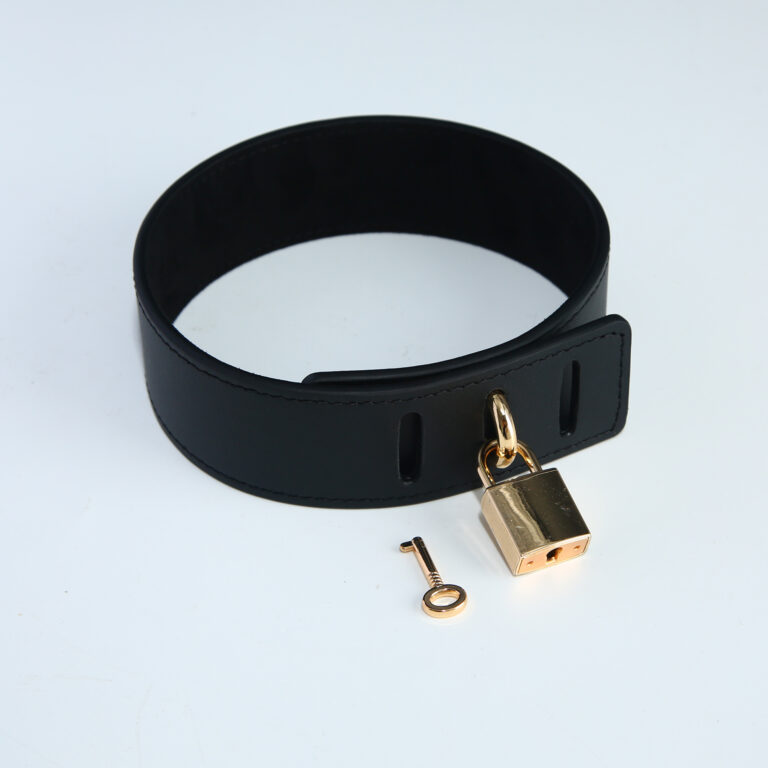
Zaoyi Bondage offers a range of bondage restraint device options suitable for various experience levels. For those just beginning their exploration, our Elegant Bondage Cuffs or a simple Premium BDSM Collar can provide a gentle introduction. For more experienced practitioners, our ラグジュアリーボンデージセット or specialized harnesses offer greater complexity and intensity, always with the assurance of high-quality materials and design.
3. Comprehensive Guide to Restraint Types and Materials
The choice of bondage restraint device is heavily influenced by its type and the materials from which it is crafted. Each material possesses unique properties that dictate its application, comfort, and safety profile. As a manufacturer of high-end leather bondage restraints, we prioritize materials that offer both aesthetic appeal and uncompromising security.
Before any play, a thorough inspection of all gear is crucial 12. Ropes should be free of frays, and items like cuffs, gags, and clamps must be in excellent condition 12. For silicone items, ensuring they are made of soft, body-safe silicone is essential for comfort and easy cleaning 12. When using faux leather or faux fur, proper cleaning and storage are necessary to avoid allergens 12. The material directly impacts safety and hygiene, making informed choices critical.
Let’s explore various restraint categories and their associated materials:
3.1. Cuffs and Collars
Cuffs and collars are fundamental bondage restraint device types, often serving as entry points into bondage.
- Leather: Our specialty at Zaoyi Bondage. High-quality leather, such as full-grain or top-grain, offers exceptional durability, comfort, and a luxurious aesthetic. It molds to the body over time, becoming more comfortable with use. Leather is breathable, strong, and, when properly cared for, incredibly long-lasting. It’s crucial to ensure the leather is vegetable-tanned or otherwise body-safe, free from harsh chemicals. Our Italy Leather BDSM Cuffs and Premium BDSM Collar exemplify the quality and craftsmanship of leather restraints. We also offer unique designs like the Cowboy BDSM Collar (1 Piece) and Luxury Gothic Handcuffs.
- Metal: Often used for decorative elements, chains, or more rigid restraints. Metal cuffs, like traditional handcuffs, offer high security but require careful padding to prevent skin irritation or nerve compression. Our Zaoyi Chain-Collar combines the strength of metal chains with the comfort of leather.
- Fabric/Nylon: Softer and more flexible, often used for lighter restraints or as a comfortable lining. While less durable than leather or metal, high-quality fabric can be gentle on the skin.
- Silicone: Increasingly popular for its body-safe properties, ease of cleaning, and flexibility. Silicone cuffs can be comfortable and offer a different tactile experience.
3.2. Ropes
Rope bondage is an art form requiring skill and knowledge. The material of the rope significantly impacts its feel, grip, and safety.
- Natural Fibers (e.g., Hemp, Jute, Cotton): These offer a traditional aesthetic and a natural feel. Hemp and jute can be rough initially but soften with conditioning. Cotton is softer but less strong. They are generally less slippery than synthetic ropes.
- Synthetic Fibers (e.g., Nylon, Polyester): Stronger, more durable, and often smoother than natural fibers. Nylon has some stretch, which can be a safety concern if not managed properly, while polyester is more static. These are easier to clean and more resistant to moisture.
3.3. Gags and Blindfolds
These restraints focus on sensory deprivation and control.
- Leather: For gags and blindfolds, soft, supple leather is ideal for comfort against the skin. Our Genuine Leather BDSM Blindfold and Genuine Leather BDSM Hood are designed with comfort and safety in mind.
- Silicone: Often used for ball gags due to its hygiene and flexibility.
- Fabric: Soft fabrics are common for blindfolds and cloth gags, offering a gentle touch. Our Fetish Bondage Blindfold provides a sensual experience.
3.4. Harnesses and Full-Body Restraints
These devices offer more extensive restriction and can be made from a combination of materials.
- Leather: For harnesses, thick, durable leather is preferred for structural integrity and support. Our Luxury BDSM Harness Lingerie (1 Piece) combines aesthetic appeal with robust construction.
- Webbing/Nylon: Strong synthetic webbing is often used for adjustable straps and structural components in harnesses, offering strength and flexibility.
3.5. Paddles and Impact Toys
While not strictly “restraints,” these are often used in conjunction with bondage.
- Leather: Leather paddles offer a distinct sensation and durability. Our Luxurious Cowboy BDSM Spanking Paddle is crafted from high-quality leather for a satisfying experience.
- Wood/Silicone: Other materials like wood or silicone are also common, each providing different levels of impact and sensation.
The performance of materials under dynamic load is a critical, though often overlooked, aspect. While research on child restraint systems (CRS) focuses on crash safety, the principles of material resilience, impact absorption, and load distribution are analogous 9. For instance, the effectiveness of CRS devices is evaluated based on metrics such as Head Resultant Acceleration and Chest Resultant Acceleration, which implicitly assess how materials absorb and distribute impact forces 9. Similarly, a high-quality bondage restraint device must be designed to withstand the stresses of play without failing or causing injury. This includes the capacity of materials to absorb and distribute forces, preventing localized pressure points. Regulatory compliance, as seen in CRS studies, highlights the importance of standardized safety requirements, which, in the BDSM context, translates to manufacturers adhering to high internal quality and safety standards 9.
At Zaoyi Bondage, our commitment to luxury quality means meticulous attention to material selection and craftsmanship. We ensure our leather is not only aesthetically pleasing but also robust, durable, and safe, providing a superior bondage restraint device experience.
4. Prioritizing Safety Mechanisms and Monitoring Protocols
The safe application of any bondage restraint device hinges on robust safety mechanisms and vigilant monitoring protocols. Even with the highest quality gear, understanding and mitigating risks like nerve compression and circulation issues is paramount.
Nerve compression syndromes arise from localized microvascular interference and structural changes in the nerve or adjacent tissues, often occurring where nerves pass through tight tunnels formed by stiff tissue boundaries 10. This “confined space” limits tissue movement and can lead to sustained tissue pressure gradients 10. Pressures as low as 2.7 kPa can reduce epineurial venule blood flow, while pressures of 10.7 kPa can cease all intraneural blood flow 10. Axonal transport, vital for nerve function, can be inhibited at pressures of 4.0 kPa 10. Common nerve compression locations include the median nerve at the wrist (carpal tunnel syndrome) and the ulnar nerve at the wrist or elbow 10. This detailed understanding of nerve vulnerability underscores the need for careful application of any bondage restraint device.
To prevent such issues, continuous monitoring of the restrained person’s physical and psychological state is crucial. This includes regular pulse checks, assessment of skin color and temperature, sensation checks (e.g., can they feel a light touch?), and capillary refill tests (pressing on a nail bed and observing how quickly color returns) to detect early signs of nerve compression or circulation restriction 10. Psychological check-ins, using both verbal and non-verbal cues, are equally essential to ensure emotional comfort and address any distress.
The role of a dedicated “safety person” or “spotter” is invaluable, especially in complex scenes. This individual is responsible for continuously monitoring the restrained person, ensuring quick-release mechanisms are accessible, and being prepared to administer first aid or emergency assistance if needed 10.
Standardized safety checklists for pre-play, during-play, and post-play can help ensure all necessary precautions are taken 10. These checklists should include items such as checking for pre-existing conditions, ensuring proper positioning to avoid nerve compression, and verifying the functionality of quick-release mechanisms.
Quick-release mechanisms are a non-negotiable safety feature for any bondage restraint device. These can include:
- Shear knots: Specific knots designed to be easily untied with a single pull.
- Safety scissors: Kept within easy reach to cut through ropes or fabric restraints.
- Carabiners: For quick attachment and detachment of restraints.
- Magnetic clasps or specialized buckles: Designed for rapid release.
The choice of mechanism depends on the type of restraint and the specific safety requirements of the scene. For instance, our Zaoyi Restraint Kits are designed with ease of removal in mind, often incorporating buckles or clasps that allow for swift release without compromising security during play.
Finally, advanced first aid and emergency response protocols for bondage-related incidents should be in place 10. This includes knowing how to recognize and treat nerve compression, circulation restriction, and pressure sores, as well as having a clear plan for contacting emergency medical services if needed 10. Investing in a well-stocked first aid kit and basic training in emergency response is a responsible step for anyone engaging in bondage play.
5. Accommodating Individual Physical and Medical Needs
The responsible use of any bondage restraint device necessitates a deep understanding and accommodation of individual physical and medical needs. Ignoring these can lead to discomfort, injury, or even severe health complications. A proactive and empathetic approach is crucial.
Before engaging in any bondage activities, participants should complete comprehensive pre-play medical disclosure forms 11. These forms should cover a wide range of potential issues, including joint instability, chronic pain, skin sensitivities, allergies, asthma, cardiovascular issues, and any other pre-existing conditions 11. This detailed information allows for informed decision-making and tailored adjustments to play.
In cases of specific medical conditions, consultation with medical professionals such as physical therapists, dermatologists, or general practitioners is essential 11. Their expertise can help establish best practices and identify absolute contraindications for certain types of bondage, preventing serious harm 11. For example, individuals with severe joint issues might need to avoid positions that put stress on those joints, or those with certain skin conditions might require specific materials or padding to prevent irritation.
Adaptive techniques and specialized padding can significantly enhance comfort and prevent injuries for individuals with physical limitations 11. This might involve using extra cushioning under restraints, choosing wider straps to distribute pressure more evenly, or avoiding direct pressure on sensitive areas. Exploring and adapting alternative restraint methods and positioning modifications are vital to accommodate various physical conditions and ensure participant safety and comfort 11. For instance, a person with limited wrist mobility might use ankle restraints instead, or a different body position might be chosen to alleviate pressure on a sensitive area.
In some instances, custom-made adaptive gear tailored to individual needs and physical limitations can greatly improve the safety and enjoyment of bondage activities 11. As a custom manufacturer of high-end leather restraints, Zaoyi Bondage is uniquely positioned to create bespoke solutions that address specific physical requirements, ensuring a perfect fit and maximum comfort.
Beyond the physical, understanding the psychological impact of physical limitations on play dynamics is important 11. Participants with chronic pain or other conditions may experience heightened anxiety or vulnerability, requiring empathetic support and careful communication. Encouraging open and empathetic communication about sensitive medical information is crucial for building trust and ensuring informed consent among all parties involved 11. This fosters an environment where individuals feel safe to disclose their needs without fear of judgment.
It is also important to recognize that setting boundaries on a partner’s non-sexual relationships or limiting their emotional intimacy can cause more problems than it solves 11. Having outside connections and experiences can provide growth, novelty, and discovery for both partners 11. While this learning is from a broader relationship context, it underscores the importance of respecting autonomy and individual needs, which translates directly to accommodating physical and medical considerations in bondage play.
By meticulously addressing individual needs, the use of any bondage restraint device can be transformed into an inclusive and profoundly rewarding experience for everyone involved.
6. Selecting High-Quality Restraint Devices and Brands
The longevity, safety, and overall experience of bondage play are profoundly influenced by the quality of the bondage restraint device chosen. Investing in high-quality gear from reputable brands is not merely a luxury; it is a fundamental safety measure.
Before any use, it is crucial to inspect all gear for safety 12. Ropes should be free of frays, and items like cuffs, gags, and clamps must be in good condition 12. For silicone toys, ensure they are made of soft, body-safe silicone for comfort and easy cleaning 12. The material itself matters significantly; for instance, when using faux leather or faux fur, proper cleaning and storage are essential to avoid allergens 12.
Purchasing from reputable brands or trusted bondage boutiques ensures authentic and safe products 12. Brands like Twisted Monk are known for their quality and have a loyal following 12. This reputation is built on consistent craftsmanship, adherence to safety standards, and the use of superior materials. Researching the best bondage restraint device options through reviews and recommendations is essential, and engaging with forums and communities can provide invaluable insights 12.
At Zaoyi Bondage, we pride ourselves on being a provider of luxury quality restraints, emphasizing durability, craftsmanship, and adherence to the highest safety standards. Our commitment to genuine leather and meticulous construction sets us apart. Just as steel became a mark of quality in luxury watches in the 1970s, moving beyond the traditional gold standard due to its rarity and craftsmanship in specific models 13, high-quality leather has become the hallmark of discerning bondage restraint device choices. The value of a steel Patek Philippe 1518, for example, stems from its rarity and exceptional craftsmanship, not just its material cost 13. Similarly, our premium leather restraints are valued for their enduring quality, unique designs, and the skilled artistry involved in their creation.
When selecting a bondage restraint device, consider the following criteria for high quality:
- Material Excellence: For leather, look for full-grain or top-grain leather that is supple, evenly dyed, and free from imperfections. It should feel substantial and durable. For metal components, ensure they are made from high-grade, non-allergenic metals like stainless steel, with smooth finishes to prevent snags or cuts.
- Craftsmanship: Examine stitching for consistency and strength. Edges should be finished smoothly to prevent chafing. Hardware (buckles, D-rings, snaps) should be robust, securely attached, and operate smoothly.
- Design for Safety: A well-designed bondage restraint device will prioritize comfort and safety, avoiding sharp edges, pinch points, or designs that could easily restrict circulation or compress nerves.
- Durability: High-quality restraints are an investment. They should be built to withstand repeated use and maintain their integrity over time.
- Hygiene and Maintenance: Consider how easily the bondage restraint device can be cleaned and maintained. Regular health check-ups are essential, especially when engaging with multiple partners, and keeping sex toys clean is vital, with specific cleaning requirements for different materials 12.
Zaoyi Bondage offers a curated selection of premium bondage restraint device options that meet these stringent criteria. From our exquisite Luxury Bondage Straps Set (3 Pieces) to our unique Empowered Cyber BDSM Necklace, each product is a testament to our dedication to quality. We encourage you to explore our Zaoyi Bondage Best Sellers and Zaoyi Bongdage New Arrivals for devices that combine aesthetic beauty with uncompromising safety and performance.
7. Best Practices for Ongoing Safety and Skill Development
The journey of safe bondage play is one of continuous learning, adaptation, and refinement. Even after selecting the perfect bondage restraint device, ongoing commitment to best practices ensures evolving experiences remain safe and fulfilling.
Advanced bondage skill development requires an iterative approach, where practitioners gradually increase complexity while continuously assessing and mitigating risks. This involves mastering fundamental techniques before progressing to more intricate suspension or complex knotwork. The importance of continuous communication between all participants is paramount, encompassing pre-scene discussions about limits, desires, and safety protocols, as well as ongoing communication during the scene to ensure everyone feels safe and comfortable. The establishment and respect of safe words or other non-verbal cues are non-negotiable.
Regular safety checks of equipment, knots, and suspension points are crucial. This includes inspecting ropes for wear and tear, ensuring knots are tied correctly and securely, and verifying that suspension points can support the intended weight. These checks should be performed before, during, and after each scene. Equipment maintenance is also essential, including cleaning and lubricating hardware, and replacing any damaged or worn items.
Adaptation strategies are vital as experience and understanding evolve. Bondage practices should be adapted based on feedback and new knowledge. This includes modifying techniques to reduce the risk of injury, adjusting protocols based on past experiences, and incorporating new knowledge from workshops, educational materials, or mentorship opportunities. Developing personalized safety checklists can help ensure that all necessary precautions are taken before each scene, tailored to the specific techniques, environment, and individual needs of the participants.
The psychological aspects of skill mastery are as important as technical proficiency. Skill mastery in bondage involves confidence, focus, and emotional regulation. Practitioners should cultivate a mindset of continuous learning and self-improvement, while also being aware of their own limitations and biases. Post-session reflections and open communication with partners are vital for understanding boundaries and emotional well-being, serving as a therapeutic dialogue 12. After-action reviews (AARs) can be used to identify areas for improvement in safety practices, reflecting on what went well, what could have been done better, and what lessons were learned.
Integration of new knowledge and techniques into existing play dynamics should be done safely and effectively. This involves practicing new skills in a controlled environment, gradually increasing complexity, and seeking feedback from experienced practitioners. Reputable BDSM communities and mentorship opportunities can provide invaluable support and guidance for skill development and safety awareness, offering access to experienced practitioners, educational materials, and opportunities for peer review and feedback 12. Engaging with the BDSM community through forums or events allows for sharing experiences and learning from others, which can be both educational and affirming 12.
A thorough risk assessment should be conducted before each scene to identify potential hazards and develop mitigation strategies. This includes considering factors such as the physical environment, the techniques being used, and the individual needs and limitations of the participants. For suspension bondage, a thorough understanding of suspension dynamics is crucial, including the forces acting on the body, the potential risks, and the proper techniques for rigging and suspending individuals safely.
Finally, emergency preparedness is paramount. Practitioners should be prepared for emergencies, such as injuries or panic attacks. This includes having a first aid kit readily available, knowing how to contact emergency services, and having a plan for safely terminating the scene if necessary. Ethical considerations are paramount, including obtaining informed consent, respecting boundaries, and ensuring everyone feels safe and comfortable. Practitioners should also be aware of and comply with all applicable laws and regulations related to BDSM activities, including those related to consent, assault, and endangerment.
By embracing these best practices, enthusiasts can ensure that their use of any bondage restraint device remains a source of pleasure, exploration, and profound connection, always underpinned by safety and respect. Investing in high-quality, durable gear from Zaoyi Bondage supports this long-term commitment to safe and fulfilling play.