
レポート:魅惑的なレザーハーネスの市場参入戦略
1. Executive Summary
This report provides a comprehensive analysis and strategic recommendations for entering the market for seductive leather harnesses, targeting both luxury and mass-market segments. The global adult products market, encompassing erotic lingerie and BDSM accessories, demonstrates robust growth, with the Adult Stores Market estimated at USD 18.07 billion in 2024, projected to reach USD 26.07 billion by 2030 at a CAGR of 6.29% 1. Specifically, the global Erotic Lingerie market, which includes BDSM and bondage kits, was valued at US$ 19.3 billion in 2022 and is projected to reach US$ 32.0 billion by the end of 2031, growing at a CAGR of 5.8% 2. The U.S. BDSM sex toys market, including restraints, was valued at USD 1.45 billion in 2023 and is projected to reach USD 3.17 billion by 2033, growing at a CAGR of 8.14% 3. These figures underscore a significant and expanding opportunity for stylish, kinky leather harnesses.

Key findings indicate a rising consumer interest in self-expression and body positivity, driving demand for niche apparel. Millennials and Gen Z are particularly influential, seeking unique, personalized, and ethically sourced products 6. The market is characterized by a blend of traditional craftsmanship and emerging technologies, with a growing emphasis on sustainability and discreet direct-to-consumer (DTC) distribution. Strategic recommendations include leveraging modular designs and customization for product differentiation, adopting a multi-channel distribution approach with a strong e-commerce presence, and navigating marketing restrictions through alternative platforms and community building. The future outlook suggests continued growth, driven by evolving social acceptance and technological advancements in materials and manufacturing for leather harnesses.
2. Introduction & Research Objectives
The objective of this research is to develop a comprehensive market entry strategy for “Seductive Leather Harness: Unleash Your Bold Desires with Stylish, Kinky Designs.” This report aims to provide actionable insights for establishing a strong presence in both the luxury and mass-market segments of this niche apparel category. The scope of this research encompasses market sizing, competitive analysis, product design and innovation, consumer behavior, supply chain considerations, and marketing strategies, with a particular focus on the unique challenges and opportunities presented by the nature of the product.

Specific questions this report aims to answer include:
- What is the current market size and projected growth for stylish, kinky leather harnesses within the broader BDSM and intimate apparel sectors?
- Who are the key competitors in both luxury and mass-market segments, and what are their product, pricing, distribution, and marketing strategies for leather harnesses?
- What are the prevailing and emerging design trends, functional features, and material innovations for leather harnesses that resonate with target consumers?
- What are the motivations, preferences, and purchasing behaviors of B2C consumers for seductive leather harnesses, including their comfort levels with public perception and discretion?
- What are the critical B2B considerations for supply chain, manufacturing, and ethical sourcing of leather harnesses, including potential partnerships and cost implications?
- How can effective market entry strategies be formulated for both luxury and mass-market segments, addressing product positioning, pricing, distribution, and marketing, while navigating social acceptance nuances for leather harnesses?
3. Current Market Landscape Analysis
The market for seductive leather harnesses operates within several interconnected and growing sectors, including adult stores, erotic lingerie, sex toys, and general leather goods. Understanding these broader markets is crucial for estimating the potential size and trajectory of the leather harness segment.
The global Adult Stores Market, a broad category that includes various adult products, was valued at USD 18.07 billion in 2024 and is projected to grow to USD 26.07 billion by 2030, demonstrating a robust Compound Annual Growth Rate (CAGR) of 6.29% 1. This indicates a general upward trend in consumer spending on adult-oriented items.
More specifically, the global Erotic Lingerie market, which explicitly segments to include “BDSM and bondage kits,” was valued at US$ 19.3 billion in 2022 and is projected to reach US$ 32.0 billion by the end of 2031, growing at a CAGR of 5.8% from 2023 to 2031 2. This market is driven by rising disposable incomes and a growing interest in erotic wear, with North America expected to hold the highest share 2. The market includes products made from materials like cotton, satin, leather, mesh, and silk, directly supporting the viability of leather harnesses within this segment 2. Online channels are increasingly preferred for purchasing these products due to discretion and convenience 23.

The global sex toys market, which also encompasses bondage gear and related items, was estimated at USD 35.2 billion in 2023 and is projected to reach USD 62.7 billion by 2030, growing at a CAGR of 8.69% 4. Within this, the U.S. BDSM sex toys market alone was valued at USD 1.45 billion in 2023 and is projected to reach USD 3.17 billion by 2033, growing at a CAGR of 8.14% 3. Restraints, a category directly relevant to leather harnesses, dominated the U.S. BDSM sex toys market in 2023 with a 30.86% revenue share and are expected to witness the fastest CAGR 3. E-commerce is the dominant distribution channel in this sector, holding a 59.0% revenue share in 2023 3.
The broader global Intimate Apparel market, while not exclusively BDSM-focused, provides a contextual backdrop, estimated at USD 80 billion in 2021 and anticipated to reach around USD 98 billion by 2030, with a CAGR of approximately 2.5% 5. This indicates a stable and large market for intimate wear, which can include fashion-oriented leather harnesses.
The global leather goods market, encompassing accessories, footwear, and apparel, was valued at USD 263.27 billion in 2024 and is projected to reach USD 452.4 billion by 2033, growing at a CAGR of 6.2% 73. This growth is fueled by demand for high-quality, durable, and stylish leather products, with handbags expected to hold the largest product category share (28%) in 2025 9193. North America held the largest market share in 2023 (37.65%) and is expected to continue growing due to high demand for premium leather products and strong retail infrastructure 104.
Market Segmentation and Consumer Profiles:
The market for leather harnesses can be segmented into luxury and mass-market tiers, each with distinct characteristics:
- Luxury Segment: Consumers in this segment, particularly Millennials, exhibit a stronger emotional attachment to luxury brands and seek products that express their identity 6. They are willing to pay a premium for superior quality, high emotional content, and exclusivity 8. Luxury is often seen as a form of social signaling 7. Gen Z also shows interest but has limited disposable income, requiring brands to innovate with more accessible collaborations 9. Offline retail still dominates luxury personal accessories, accounting for 81.2% of sales in 2024, emphasizing the importance of tactile engagement and personalized service 10. For luxury leather harnesses, this implies a focus on exquisite craftsmanship, unique designs, and a curated shopping experience.
- Mass-Market Segment: This segment is characterized by price sensitivity and a demand for trendy, affordable products. Brands like Shein have rapidly grown by adapting to evolving trade policies and refining pricing models 10. The mass market has seen aggressive discounting to clear excess inventory, with average prices rising due to inflation 114. For mass-market leather harnesses, this suggests a focus on accessible pricing, broader distribution, and responsiveness to fast-changing fashion trends.
Pricing Dynamics: Fluctuations in raw material prices, particularly leather, pose a challenge across both segments. A price hike in hides and skins in July 2023 led some global leather goods brands to consider synthetic or alternative leather materials to maintain competitive pricing 72. The cost of leather production increased by 10% in June 2024 due to rising raw material prices 72. This impacts profitability and can lead to higher retail prices, potentially deterring price-sensitive mass-market consumers 72.
Emerging Trends for Leather Harnesses: Fashion harnesses have transitioned from niche BDSM communities into mainstream fashion, becoming statements of style, individuality, and empowerment 96. Leather is a dominant material due to its timeless elegance and versatility, with designs ranging from minimalist to intricate 95. Colored leathers are also emerging, offering vibrant options for personal expression 95. These leather harnesses are styled over dresses, shirts, or bare skin, adding depth and intrigue to outfits 96. Motivations for wearing include a sense of strength, stability, and self-expression, challenging traditional notions of femininity and masculinity 103.
4. Competitive Intelligence & Benchmarking
The competitive landscape for seductive leather harnesses is diverse, spanning established luxury houses, niche fetishwear designers, and fast-fashion retailers. Benchmarking their strategies provides critical insights for market entry.
Luxury Segment Competitors: The luxury fashion market, valued at USD 253.25 billion in 2024, is projected to reach USD 334.58 billion by 2033, indicating a positive trajectory for high-end leather harnesses 108. Key growth drivers include rising disposable incomes, increasing digital engagement, and a preference for premium, limited-edition products 108. Modern luxury consumers seek unique, personalized products and experiences, with sustainability and ethical sourcing gaining importance 109. Europe holds the largest market share (over 35.1%) 108.
- Product Offerings: Luxury brands like Zana Bayne and 0770 (Rome, Italy) have brought leather harnesses and bodywear to high fashion runways, emphasizing laser-cut details, structural designs, and ethically sourced vegetable-tanned leather 123. Other brands like Apatico offer remarkable headpieces alongside collars, cuffs, and leather harnesses 123. The focus is on exquisite craftsmanship, unique designs, and often, limited editions or bespoke services.
- Pricing Strategies: Luxury brands command premium prices due to superior craftsmanship, exclusivity, brand heritage, and perceived social status 109. Consumers are willing to pay more for luxury brands (59% in 2024) 108.
- Distribution Channels: Luxury brands often employ controlled distribution to maintain exclusivity, utilizing flagship stores, strategic locations, and concept stores 111. While traditionally resistant, they are increasingly adopting digital channels and omnichannel strategies to reach younger consumers and expand market potential 111.
- Marketing Approaches: Luxury marketing emphasizes brand equity, communicating in an artistic and symbolic way, and building strong brand loyalty 112. Collaborations and exclusivity are key to generating excitement 110. Celebrities like Kim Kardashian, Lady Gaga, and Beyoncé have contributed to mainstreaming BDSM fashion, including leather harnesses, through red carpet appearances and music videos 7580. However, celebrity endorsements only influence a small percentage of shoppers (around 4%), with ethical issues being more important 21.
Mass-Market Segment Competitors: The mass-market fashion industry faces economic uncertainty and intense competition, with aggressive discounting strategies prevalent 113.
- Product Offerings: Mass-market brands focus on trendy, affordable leather harnesses that quickly adapt to fashion cycles. Product breadth is typically wider, offering various styles and colors to appeal to a broad audience.
- Pricing Strategies: Mass-market pricing is highly competitive and often driven by volume. The average price in the US mass market rose by 15% in 2023 due to inflation, but brands are also decreasing full-priced items by an average of 11% and relying on aggressive discounting to clear stock 114.
- Distribution Channels: Mass-market brands leverage extensive online platforms (e-commerce) and large retail chains (supermarkets/hypermarkets) for broad accessibility 72. E-commerce is expanding, making leather goods more accessible globally 72.
- Marketing Approaches: Mass-market brands utilize “Voice” tactics and redefine influencer marketing to combat content saturation 113. They focus on brand performance benchmarking (e.g., Media Impact Value – MIV®) to quantify marketing efforts 113. Social media plays a significant role in brand discovery and driving purchases 144. User-generated content is also crucial for building engaged communities 62.
Benchmarking Insights:
| Feature/Strategy | Luxury Segment | Mass-Market Segment | Implications for Leather Harnesses |
|---|---|---|---|
| Product Focus | Exquisite craftsmanship, unique, limited-edition, bespoke leather harnesses | Trendy, affordable, wide variety, fast-fashion leather harnesses | Luxury: Emphasize design, material quality, exclusivity. Mass: Focus on trend responsiveness, cost-effectiveness, broad appeal. |
| Pricing | Premium, value-based, high margins | Competitive, volume-driven, frequent discounts | Luxury: Justify high price with quality, brand story. Mass: Optimize supply chain for cost, leverage promotions. |
| Distribution | Controlled, flagship stores, curated boutiques, growing omnichannel | Broad, e-commerce dominant, large retail chains | Luxury: Strategic physical presence, seamless online experience. Mass: Maximize online reach, efficient logistics. |
| Marketing | Brand heritage, emotional connection, artistic campaigns, exclusive collaborations, celebrity influence (selective) | Influencer marketing, social media engagement, performance-based metrics, user-generated content | Luxury: Storytelling, aspirational content. Mass: Viral trends, accessibility, community building. |
| Sustainability | Increasingly important, ethical sourcing, transparency | Growing concern, but often balanced with cost | Both: Opportunity for differentiation, especially with ethical leather harnesses. |
Competitive Intelligence Tools: AI-powered business intelligence solutions like Woven Insights allow continuous monitoring of rivals’ activities, pricing adjustments, customer sentiment, and performance metrics 115. This helps identify market gaps, analyze pricing fluctuations, and assess consumer sentiment through competitor reviews 115. Real-time tracking of promotional codes, social buzz, and new collection launches is crucial 115.
5. Product Design & Innovation Deep Dive
The design and innovation of seductive leather harnesses are critical for market success, requiring a deep understanding of current trends, functional requirements, and future possibilities.
Current Design Trends (“Stylish, Kinky Designs”):
- Kinkcore Emergence: Kink-inspired clothing and fetishwear are gaining traction among celebrities and influencers, moving beyond subtle nods to more overt experimentation with leather, latex, vinyl, and corsetry 11. This trend directly supports the market for leather harnesses.
- Elevated Simplicity: Alongside overt kink, there’s a trend towards “elevated simplicity,” featuring rich, luxurious fabrics and logoless but identifiable luxury leather accessories 11. This suggests a demand for sophisticated, minimalist leather harnesses that can be integrated into high-end wardrobes.
- Rebellious Femininity: A new ultra-feminine fashion embraces femininity in a less constrained way, aligning with the empowering aspect of leather harnesses 11.
- Leather Dominance: Leather is a key trend for Autumn/Winter 2024-2025, described as protective, luxurious, elegant, sexy, minimal, and experimental 12. This reinforces the material choice for leather harnesses.
- Colored Leathers: Colored leathers are expected to stand out, offering a modern twist to traditional designs. Cobalt blue, emerald green, and scarlet red are particularly popular 15. This presents an opportunity for vibrant leather harness collections.
- Integration into Workwear: Intriguingly, leather harnesses are being integrated into workwear, pairing tailored sets with body accessories 17. This indicates a broadening acceptance and versatility of the product.
- Leather, Latex, and Chains: These elements are prominent on FW24 runways, signaling a new era for fetish fashion, with designers reimagining BDSM favorites 16.
Functional Features & Customization:
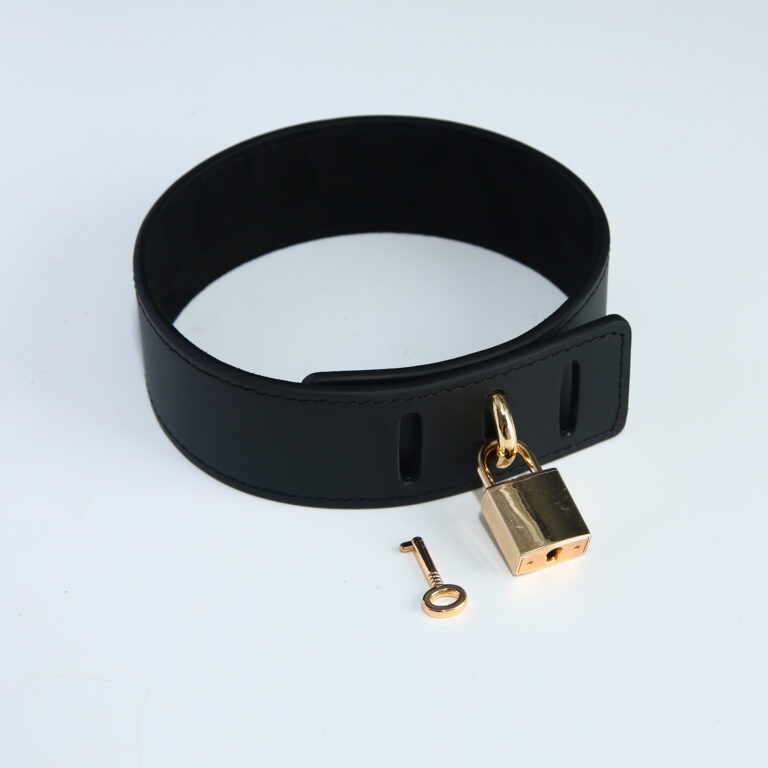
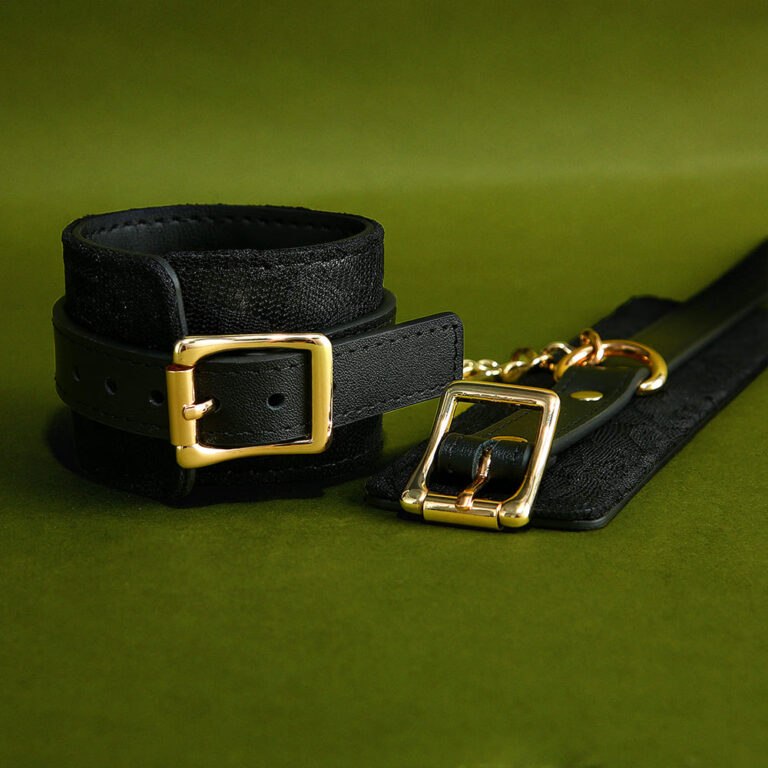
- Adjustability: Adjustable straps are essential for a secure and comfortable fit, allowing the leather harness to adapt to various body sizes and shapes 118. This is a primary functional requirement.
- Comfort Features: Padded panels are important to prevent chafing during extended wear, and neoprene lining can enhance comfort against the skin 119. Weight distribution, achieved through wider designs, is also crucial for comfort, especially for full-body leather harnesses 119.
- Hardware: Sturdy metal hardware (gold, silver-toned, brass, or nickel-plated) is expected for both security and style 18.
- Modularity and Versatility: Modular leather harnesses with interchangeable straps are gaining popularity, offering versatility and adaptability 12. This allows for multiple styling options and extends the product’s perceived value. The ability to convert or reconfigure a leather harness for different looks or uses is a significant unmet need.
- Customization: There’s a strong emphasis on customized fit, with makers offering options for all body sizes and taking measurements to ensure a comfortable and flattering fit 12. Personalization techniques like embossing, monogramming, unique stitching patterns, and custom hardware choices are highly valued in luxury leather harnesses 89.
- Ease of Use: Consumers appreciate one-handed operation for features like adjusting and donning/doffing, suggesting a desire for easy-to-use closure types and mechanisms for leather harnesses 119.
Material Innovation & Aesthetic Differentiation:
- Leather Type Preference: Full-grain and top-grain leather are preferred for their strength, longevity, and ability to age gracefully, developing a rich patina 118. Calfskin is prized for softness and fine texture in high-end items 87.
- Ethical Sourcing: Eco-friendliness, biodegradability, and ethical sourcing are increasingly important considerations for consumers 118. This aligns with the broader trend towards sustainable leather, including vegetable-tanned leather 24.
- Smart Textiles Integration (Speculative): There is potential for incorporating smart textiles into fetish wear to enhance functionality. Smart textiles can monitor biometric data, adjust heating/cooling, and provide haptic feedback 20. Techno-leather, with integrated technology like self-heating capabilities, is an emerging trend 15. Shape memory alloys and phase change materials could be used to create leather harnesses that adapt to body temperature or change shape 20. Smart sensors could provide medical data 20.
- Sustainable Leather Alternatives: Increased ethical awareness drives demand for transparency and alternative leathers.
- Mushroom Leather (Mycelium): A vegan alternative offering strength, durability, flexibility, water resistance, and breathability 39. While currently more expensive, costs may decrease with improved production and scalability 39.
- Lab-Grown Leather: Replicates traditional leather without livestock, offering tailored production volumes and reduced waste 41. Companies like 3D Bio-Tissues (3DBT) and Modern Meadow are developing cell-based and yeast/collagen-based alternatives 50.
- Plant-Based Leathers: Piñatex (pineapple leaf fibers), cork leather, apple leather, cactus leather, and grape leather are viable options 43.
- Recycled Materials: Recycled synthetic leather (PU) and washable paper are also used 41.
Unmet Needs & Opportunities:
- Comfort for Plus-Size Individuals: Fat women in BDSM communities often struggle to find comfortable and mobile BDSM dress 84. This highlights a significant unmet need for inclusive sizing and design in leather harnesses.
- Integrated Storage: The desire for ample storage in other products suggests an opportunity for leather harnesses with integrated pouches or attachment points for accessories 119.
- Enhanced Sensory Experience: While mainstream fashion focuses on aesthetics, the kink experience involves touch, smells, and sensations 75. Future leather harness designs could explore materials or treatments that enhance these sensory aspects.
6. Consumer Demand & Behavioral Insights (B2C Focus)
Understanding the motivations, preferences, and purchasing drivers of the target B2C consumer base for seductive leather harnesses is paramount. This section delves into current trends in consumer aesthetics, desired functionalities, and the influence of online communities and social media.
Consumer Demographics and Psychographics:
- Age Groups: The 18-24 age cohort is driving digital discovery in the adult products market, while the 25-34 age group leads in product experimentation 1. The 26-35 age group typically leads in sales volume for erotic lingerie, driven by personal purchases and gifting 98. Gen Z shows the most interest in luxury brands, but their limited disposable income means brands need to appeal to them through accessible collaborations 9. Millennials exhibit more frequent purchases of luxury fashion goods and a stronger emotional attachment to luxury brands 6.
- Motivations for Purchase:
- Self-Expression and Identity: Consumers, particularly Millennials, use luxury goods, including leather harnesses, to express their identity and align with a brand’s image 6. Wearing fetish clothing can be seen as a desire to switch power dynamics and take back control 77.
- Empowerment and Confidence: Leather harnesses provide a sense of strength, stability, and self-expression, allowing wearers to embrace their figures and challenge traditional notions of femininity and masculinity 103.
- Social Signaling: Many consumers purchase luxury goods to portray status and achieve a perceived elevated social standing 7.
- Taboo Allure: Fascination with BDSM fashion may stem from its taboo nature, similar to how punk was once controversial 76.
- Kink Preferences & Role-Playing: For those in BDSM communities, leather harnesses communicate kink preferences, maintain power dynamics, facilitate role-playing, and satisfy partners 84.
- “Treat Yourself” Trend: Wealthier consumers continue to invest in luxury goods despite economic challenges, driven by the “treat yourself” trend, though purchases are becoming more considered 9.
Aesthetics and Functionality Preferences:
- Material Quality: Full-grain and top-grain leather are preferred for their durability, longevity, and ability to develop a rich patina 118. The natural and elegant look of leather is a key aesthetic factor 118.
- Comfort: Breathability of leather is important 118. For leather harnesses, comfort features like padded panels and neoprene lining are desired to prevent chafing 119. Weight distribution is also a key comfort factor 119.
- Adjustability: Adjustable straps are essential for a secure and comfortable fit across various body sizes 118. One-handed operation for adjustments and closures is a valued feature 119.
- Modularity: The ability to convert or reconfigure a leather harness for different styles or uses is a significant opportunity 119.
- Hardware: Sturdy, high-quality metal hardware is expected for both security and aesthetic appeal 119.
- Color and Style: While classic black remains popular, colored leathers (cobalt blue, emerald green, scarlet red) are gaining traction, offering modern twists 15. Designs range from minimalist to intricate, catering to diverse styling preferences 95.
Influence of Online Communities and Social Media:
- Social Media’s Role: Social media platforms have democratized kink fashion, with influencers promoting body positivity and authentic self-expression 77. They play a significant role in how consumers discover fashion brands 144.
- Celebrity Influence: Celebrities like Madonna, Kim Kardashian, and Lady Gaga have significantly influenced fashion trends by incorporating BDSM-inspired elements, including leather harnesses, into their public appearances 7580. This contributes to the mainstreaming and normalization of such designs.
- Normalization vs. Appropriation: Fashion’s interest in BDSM aesthetics is normalizing kink but also raises concerns about cultural appropriation, as the fashion world often fails to give proper recognition to the BDSM community 75. This highlights the need for brands to engage respectfully and authentically with the community.
- Discretion: Consumers increasingly use online channels for purchasing erotic products due to the preference for privacy and convenience 2. Discreet shipping is crucial, involving plain, unmarked boxes and removal of identifying information 52.
- Community Building: Building strong online communities is essential for DTC brands, fostering loyalty through engaging content, meaningful conversations, and loyalty programs 55. User-generated content (UGC) is highly effective, as person-led content resonates more than corporate messaging 62.
Consumer Expectations: Fit and comfort are closely linked, with haptics being crucial for online purchases 85. Consumers expect personalized service, with brands knowing their past shopping history and providing seamless communication across all channels 54. Transparency in supply chain and ethical practices is also increasingly important 10.
7. Supply Chain, Manufacturing & Ethical Sourcing (B2B Focus)
The supply chain and manufacturing of seductive leather harnesses require careful consideration, particularly regarding ethical sourcing, quality control, and the unique demands of niche apparel production.
Manufacturing Processes for Small Batch Luxury Leather Goods:
- Material Selection: Luxury leather harnesses often utilize full-grain leather for its durability and aging properties, or calfskin for its softness and fine texture 86. Ethical sourcing dictates that leather should be a byproduct of local farming/agriculture, where animals are not raised solely for leather production 25.
- Design and Pattern Making: An elaborate design process, from sketches to precise patterns (paper or cardboard), is crucial for defining the harness’s purpose, style, and functional requirements 86.
- Cutting Techniques: For small batches and bespoke designs, manual cutting with handheld tools is common. For higher precision and efficiency, especially for intricate designs, laser cutting or CNC cutting can be employed, reducing material waste 88.
- Stitching and Assembly: Hand-stitching offers superior strength and a personalized touch for bespoke items. Machine stitching provides efficiency and consistency for larger orders, with specialized machines for various stitch types and edge finishing 87.
- Edge Preparation: High-quality leather harnesses feature smooth, polished edges achieved through edge bevelers and burnishing, enhancing both appeal and durability 86.
- Hardware Integration: High-quality metal components (zippers, buckles, rivets) are carefully attached to ensure longevity and functionality, significantly impacting the leather harness‘s style 86.
- Finishing Touches: Polishing the leather surface enhances appearance and protects the material, often through burnishing and glazing for a glossy finish 87.
- Quality Control: Inspecting quality and stitching consistency is a critical step throughout the manufacturing process 86.
Ethical Sourcing and Sustainable Practices:
- Circular Economy: The leather industry is increasingly adopting a circular economy approach, focusing on biodegradability, waste management, and reducing synthetic chemicals 22.
- Ethical Leather Definition: Ethical leather sourcing involves humane animal treatment, fair labor practices, traceability, and adherence to environmental regulations 23.
- Certifications & Standards:
- Leather Working Group (LWG): LWG sets audit standards for environmental and social responsibility in leather manufacturing, covering water/energy usage, chemical management, waste treatment, and health/safety 32. LWG emphasizes traceability to address animal welfare and deforestation 33.
- Sustainable Leather Foundation (SLF): SLF prioritizes traceability and transparency for socio-environmental safeguards 30.
- Global Organic Textile Standard (GOTS): GOTS certification can help identify eco-friendly leather 24.
- Tanning Methods: Vegetable tanning, using natural tannins from plants, is a more eco-friendly alternative to traditional chrome tanning, which poses environmental challenges 24. Chrome-free and aldehyde tanning also minimize environmental impact 23.
- Leather Alternatives:
- Mushroom Leather (Mycelium): A sustainable, durable, and biodegradable vegan alternative 39.
- Lab-Grown Leather: Replicates traditional leather without livestock, offering tailored production and reduced waste, though currently complex and expensive 41.
- Plant-Based Leathers: Piñatex (pineapple leaf fibers), cork leather, apple leather, cactus leather, and grape leather are viable options 43.
- Recycled Materials: Recycled synthetic leather (PU) and washable paper are also used 41.
- Cost & Scalability: Mushroom leather is currently more expensive than traditional leather, but costs may decrease with improved production 39. Lab-grown leather is likely to remain expensive for mainstream applications 41.
Potential B2B Partnerships for Production and Distribution:
- Specialized Manufacturers:
- Switch Leather Co. (Portland, Oregon): Queer-owned, specializing in ergonomic, design-minded strap-on leather harnesses from 100% American-sourced Horween Leather 120.
- St. Vendetta: Handmade women’s leather harnesses and accessories 121.
- LASH Fetish Gear: Custom, sustainable leather gear using recycled leather, offering hardware repair 122.
- 0770 (Rome, Italy): Laser-cut details, structural designs, ethically sourced vegetable-tanned leather 123.
- Apatico: Clever twist on traditional fetishwear, with a large vegan collection and fair pricing 123.
- The Leather Man: All leather goods made in-house, offering custom consultations 124.
- Weft Apparel: Custom leather manufacturer offering small Minimum Order Quantities (MOQs) 130.
- Affix Apparel / Seam Apparel / Argus Apparel: Specialize in crafting custom leather goods tailored to retail brands’ needs 125127.
- B2B Suppliers & Wholesale: Euroingro Online Marketplace and Christmann-Jacoby Textiles offer wholesale leather clothing 129. Von Baer provides international leather products wholesale with low MOQs 134.
- Discreet Shipping & Fulfillment: Given the sensitive nature of fetish wear, partnering with 3PL providers like 3PL Center or Phase V Fulfillment is crucial. They offer discreet packaging (plain, unbranded boxes), non-descriptive mailing labels, and secure tracking 138140.
Manufacturing Process Flow (Speculative):
graph TD
    A[Concept & Design] --> B{Material Sourcing: Leather or Alternative?}
    B -- Leather --> C[Ethical Tannery (LWG Certified)]
    B -- Alternative --> D[Sustainable Material Supplier (e.g., Mycelium, Plant-based)]
    C --> E[Pattern Making & Cutting (Manual/Laser/CNC)]
    D --> E
    E --> F[Stitching & Assembly (Hand/Machine)]
    F --> G[Hardware Integration]
    G --> H[Edge Finishing & Polishing]
    H --> I[Quality Control & Inspection]
    I --> J[Packaging (Discreet)]
    J --> K[Fulfillment & Shipping (3PL Partner)]
    K --> L[Customer Delivery]
8. Market Entry Strategy Formulation
Formulating a market entry strategy for seductive leather harnesses requires a nuanced approach, balancing product positioning, pricing, distribution, and marketing with considerations for brand perception and social acceptance.
Product Positioning: The brand should position itself as a purveyor of high-quality, stylish, and empowering leather harnesses. This involves:
- Luxury Segment: Emphasizing bespoke craftsmanship, premium materials (e.g., full-grain, ethically sourced leather), unique designs, and exclusivity. The narrative should focus on self-expression, identity, and the emotional connection consumers seek with luxury items 6. Customization options (embossing, unique stitching) are key 89.
- Mass-Market Segment: Focusing on trendy, accessible designs that offer versatility and comfort. The positioning should highlight the fashion-forward aspect of leather harnesses and their ability to be integrated into various outfits (e.g., “workwear” integration) 17. Modularity and adjustability will be key selling points 12.
Pricing Models:
- Luxury: Implement a premium pricing model, justified by superior quality, ethical sourcing, and unique design. This aligns with the willingness of luxury consumers to pay more for brand equity and perceived status 108.
- Mass-Market: Adopt competitive pricing, potentially leveraging volume manufacturing and efficient supply chains. Be prepared for aggressive discounting strategies prevalent in the mass market, but aim to differentiate through design and quality within the price point 114. Consider tiered pricing for different levels of customization or material quality.
Distribution Channels:
- Direct-to-Consumer (DTC): This model allows for stronger customer relationships, personalized experiences, and direct feedback 58. It also enables greater control over brand messaging and discreet shipping, which is crucial for fetish wear 52.
- E-commerce Platform: A robust, user-friendly e-commerce site is essential, as online sales are a significant growth driver across the erotic lingerie and BDSM markets 2. Implement AI-driven recommendations and virtual try-ons to enhance engagement 91.
- Discreet Shipping: Partner with 3PL providers specializing in discreet fulfillment for adult products, ensuring plain, unmarked packaging and non-descriptive labels 138140.
- Luxury Boutiques/Specialty Stores (Luxury Segment): For luxury leather harnesses, strategic partnerships with high-end boutiques and concept stores can provide the tactile shopping experience and personalized service valued by luxury consumers 10.
- Online Marketplaces (Mass-Market Segment): Listing on popular fashion e-commerce platforms can provide broad reach, but requires careful navigation of content policies.
- Pop-up Shops/Events: For both segments, pop-up shops or participation in fashion/lifestyle events can offer experiential marketing and direct engagement, especially for niche communities 123.
Initial Marketing Campaign Considerations:
Navigating social media restrictions is a primary challenge for adult fashion brands.
- Content Strategy:
- Visual Storytelling: Focus on high-quality, tasteful visuals that comply with platform standards, emphasizing the aesthetic and empowering aspects of leather harnesses rather than explicit content 143.
- Lifestyle Branding: Project a lifestyle that resonates with the target demographic, positioning leather harnesses as tools for self-expression and individuality 145.
- User-Generated Content (UGC): Encourage customers to share their experiences and styling of leather harnesses. UGC resonates more authentically than corporate content and builds community 62.
- Platform Diversification:
- Alternative Social Media: Explore platforms with more lenient content policies like Twitter (more relaxed than Facebook/Instagram) 143, MeWe, Ello, BitChute (for video) 147, Mastodon, BlueSky, and Threads 148. Tumblr allows “tasteful and artistic” sexuality in ads 142.
- Niche Forums & Communities: Engage directly with online communities and forums dedicated to BDSM, fetish, or alternative fashion.
- Email Marketing: Build a strong email list for direct communication, offering exclusive content, discounts, and product updates 155.
- Affiliate Programs: Partner with influencers and content creators in the adult or alternative fashion space who can promote leather harnesses to their audience 154.
- Influencer Marketing:
- Collaborate with alternative models and adult content creators who align with the brand’s aesthetic and values 152. L’Oréal’s hiring of an OnlyFans star indicates a growing acceptance of adult content creators in mainstream advertising 153.
- Focus on authentic partnerships that blend personal brands with promotional niches 152.
- Brand Perception & Social Acceptance:
- Transparency and Education: Address potential misunderstandings about kink by providing context and promoting themes of consent, empowerment, and self-expression 75.
- Ethical Practices: Highlight ethical sourcing and sustainable manufacturing processes to appeal to conscious consumers and enhance brand reputation 78.
- Inclusivity: Design leather harnesses that cater to diverse body types, including plus-size individuals, addressing an unmet need in the market 84.
- Social Listening: Utilize tools like Brand24 or Digimind Social to monitor public sentiment, track trends, and manage brand reputation, especially concerning controversial choices 83.
9. Key Recommendations & Future Outlook
Based on the comprehensive analysis, the following actionable recommendations are crucial for successful market entry for seductive leather harnesses:
- Dual-Tiered Product Strategy: Develop distinct product lines for luxury and mass-market segments.
- Luxury: Focus on artisanal craftsmanship, using full-grain, ethically sourced leather (e.g., LWG certified, vegetable-tanned) 118. Offer extensive customization options (monogramming, bespoke fit) and modular designs for versatility 12. Explore innovative materials like mushroom leather for a premium, sustainable offering 39.
- Mass-Market: Prioritize trend responsiveness, comfort, and adjustability. Utilize high-quality top-grain leather or advanced synthetic alternatives that offer durability and aesthetic appeal at a competitive price point 118. Emphasize modularity and ease of use (e.g., one-handed closures) 12.
- Strategic Pricing & Value Proposition:
- Luxury: Justify premium pricing through transparent communication of material quality, ethical sourcing, and the unique design process. Leverage brand storytelling to build emotional connections 6.
- Mass-Market: Maintain competitive pricing while highlighting value through durability, versatility, and comfort. Be prepared to adapt to market discounting trends but avoid compromising core quality 114.
- Omnichannel Distribution with DTC Core:
- Establish a robust, user-friendly e-commerce platform as the primary sales channel, leveraging its ability to offer discretion and direct customer relationships 58.
- Partner with specialized 3PL providers for discreet shipping and fulfillment, ensuring plain packaging and secure delivery to protect customer privacy 138.
- For luxury, explore selective partnerships with high-end physical boutiques or curated online luxury retailers to provide a tactile experience and reinforce brand exclusivity 10.
- For mass-market, consider broader online marketplace presence, carefully navigating platform policies.
- Innovative and Compliant Marketing:
- Content Focus: Shift marketing visuals from explicit to artistic and empowering, showcasing the aesthetic and lifestyle integration of leather harnesses 143. Emphasize self-expression, confidence, and individuality.
- Platform Diversification: Actively utilize platforms with more lenient content policies (e.g., Twitter, Tumblr for “tasteful” content) and explore emerging alternatives (e.g., Threads, Mastodon) 143.
- Influencer Strategy: Collaborate with niche influencers and adult content creators who align with brand values, focusing on authentic partnerships and user-generated content 152.
- Community Building: Invest in building strong online communities through engaging content, direct interaction, and loyalty programs to foster brand advocacy 55.
- Email Marketing: Develop a robust email marketing strategy for direct communication, promotions, and exclusive content, bypassing social media restrictions 155.
- Prioritize Ethical Sourcing and Sustainability:
- Obtain certifications like Leather Working Group (LWG) to demonstrate commitment to environmental and social responsibility 32.
- Explore and integrate sustainable leather alternatives (e.g., mushroom leather, plant-based leathers) into product lines, particularly for the luxury segment, to appeal to conscious consumers 39.
- Ensure transparency in the supply chain, from material sourcing to manufacturing, to build trust and enhance brand reputation 23.
- Invest in Product Innovation & Inclusivity:
- Continuously research and integrate new technologies like smart textiles for enhanced functionality (e.g., temperature regulation, haptic feedback) in future leather harness designs 20.
- Address unmet needs by offering inclusive sizing, particularly for plus-size individuals, ensuring comfort and a flattering fit for all body types 84.
- Consider modular designs that allow for multi-functional use and customization, increasing product versatility and appeal 12.
Future Outlook:
The market for seductive leather harnesses is poised for continued growth, driven by several macro trends:
- Evolving Social Acceptance: The increasing mainstreaming of BDSM-inspired fashion, influenced by celebrities and media, suggests a continued shift in public perception and a reduction in stigma 75. Social listening tools will be critical to monitor these shifts and adapt brand messaging 83.
- Digitalization of Retail: E-commerce will remain the dominant sales channel, with advancements in AI-driven personalization and virtual try-on experiences further enhancing the online shopping journey 91.
- Sustainability Imperative: Consumer demand for ethical and sustainable products will intensify, pushing manufacturers to adopt greener practices and innovative leather alternatives 22. Brands that lead in this area will gain a significant competitive advantage.
- Personalization and Customization: The desire for unique and personalized products will continue to drive demand for bespoke and customizable leather harnesses, especially in the luxury segment 6.
- Technological Integration: The integration of smart textiles and other technologies into apparel could open new avenues for functional and interactive leather harnesses, offering novel experiences to consumers 20.
Ongoing monitoring of consumer sentiment, competitive strategies, and technological advancements will be essential for adapting the market entry strategy and ensuring long-term success in this dynamic and evolving market for seductive leather harnesses.