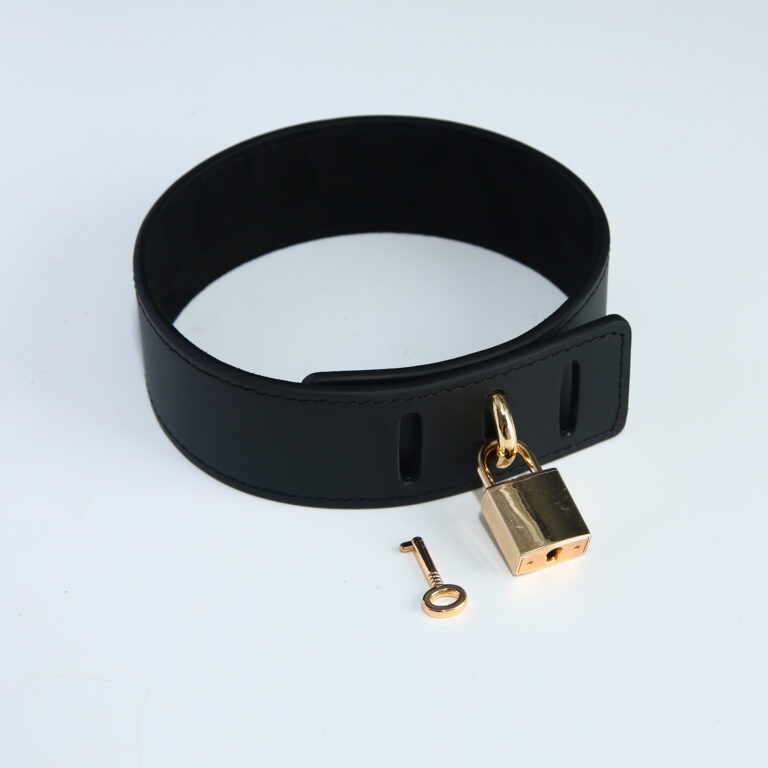


دليل شامل لقيود العبودية
مرحبًا بكم في "دليل شامل لقيود العبودية"، وهو مورد أساسي للمبتدئين الذين يغامرون بالدخول إلى عالم العبودية الآسر، مع التركيز بشكل خاص على الجاذبية الفريدة والجوانب العملية للجلد. في Zaoyi Bondage (bondagerestraint.com/)، نحن متخصصون في صناعة قيود عبودية عالية الجودة من الجلد الفاخر، مصممة لكل من الجاذبية الجمالية والسلامة المطلقة. يهدف هذا الدليل إلى تزويدك بالمعرفة الأساسية، مع التأكيد على الموافقة والتواصل والسلامة، مما يضمن أن تكون رحلتك إلى عبودية الجلد رحلة تمكينية وآمنة.

1. Introduction to Leather Bondage: The Allure and the Basics
Bondage, at its core, is a consensual exploration of power dynamics, sensation, and trust. Among the myriad materials used for Bondage Restraints, leather holds a distinct and enduring appeal. It’s not merely a material; it’s a statement, a sensory experience, and a symbol deeply embedded in BDSM culture.

The allure of leather is multifaceted. Visually, it exudes a “sexy visual” with a strength and weight that synthetic alternatives cannot replicate, enhancing the atmosphere of any scene [1]. Leather harnesses and collars, in particular, create a striking contrast against the skin, amplifying the erotic tension. Beyond aesthetics, leather cuffs and gear are often perceived as luxurious and high-end, adding a layer of seriousness and intimacy to BDSM sessions [2]. This sense of elegance and exclusivity is a hallmark of quality Bondage Restraints.
Historically, leather culture has deep roots, particularly within the queer community, evolving from military styles and motorcycle clubs into a distinct aesthetic [4]. Figures like Alan Selby and his shop, Mr. S Leather, were instrumental in solidifying leather’s place in queer fashion and kink [4]. This rich history contributes to the symbolic weight of leather Bondage Restraints, allowing wearers to express their identity and role within play [3]. The leather community even uses gear and accessories to communicate interests and roles, akin to the hanky code, with specific items signifying different kinks and preferences [5].
Tactilely, natural leather offers a unique sensory experience, making interactions more stimulating and engaging [2]. Over time, leather adapts to the body, becoming more flexible and conforming to the user, which enhances comfort during prolonged wear. This “breaking-in” process is part of the material’s charm and longevity.
From a practical standpoint, leather is exceptionally durable and resistant to stretching and mechanical damage, often outlasting synthetic or fabric alternatives [2]. With proper care, quality leather Bondage Restraints can last for years [3][1][6]. This durability translates into a sense of security and control, assuring the bound person of their immobility.

At Zaoyi Bondage, we understand these intrinsic qualities. Our commitment is to provide Bondage Restraints that embody this blend of aesthetic appeal, historical significance, sensory richness, and practical durability. We believe that the right leather gear not only performs its function but also elevates the entire experience, making it more profound and memorable.
2. The Foundation of Trust: Consent, Communication, and Boundaries
The bedrock of any safe, ethical, and fulfilling bondage practice, especially for beginners, is the unwavering commitment to enthusiastic consent, continuous communication, and clearly established boundaries. Without these pillars, no amount of high-quality gear can ensure a positive experience. The BDSM community, in particular, places an almost “fetishistic” emphasis on consent, where nothing is assumed, and everything is negotiated extensively before any act [18].
Enthusiastic Consent: The Absolute Necessity
Enthusiastic consent means that all parties are not just agreeing, but are genuinely eager and willing to participate. It is an ongoing process, requiring continuous communication, self-awareness, and respect for each person’s likes, dislikes, and limits [18]. Consent must be established ahead of time, not during the act itself, ensuring mutual understanding and agreement [18]. This proactive approach prevents misunderstandings and ensures that everyone feels safe and respected.
For individuals to give informed consent, they must first understand their own sexual desires and needs [18]. This self-knowledge is crucial for effective communication. Within BDSM communities, there’s often a shared ethic where members look out for each other, demonstrating a communal responsibility for ensuring consent and intervening if someone appears to be acting unsafely [18].
Continuous Communication: The Lifeline of Play
Communication is the constant thread that weaves through every aspect of bondage. Before, during, and after a scene, open and honest dialogue is paramount. This includes discussing desires, fantasies, and, most importantly, limits.
A critical tool for communication during a scene is the safeword. A safeword should always be agreed upon before engaging in any BDSM activity [23]. This word, or a system of words (like the “traffic light” system: “Green” to continue, “Yellow” to slow down, “Red” to stop), allows the submissive to immediately halt or adjust the experience if they feel overwhelmed, uncomfortable, or unsafe [43]. For situations where verbal communication is impossible (e.g., with a gag), non-verbal signals, such as dropping an object or snapping fingers, must also be established [43]. The dominant partner bears full responsibility for the submissive’s safety and must be attentive and responsive to these signals [44].
Regular check-ins, even casual ones, during a scene can provide reassurance and maintain the atmosphere while ensuring comfort [42]. This continuous dialogue reinforces trust and allows for real-time adjustments.
Clearly Established Boundaries: Personal Limits
Boundaries are personal limits related to one’s physical space, feelings, or privacy [19]. In the context of bondage, these are often categorized as “hard limits” and “soft limits.”
- الحدود الصارمة: These are absolute no-gos, activities that a person will never engage in. They are non-negotiable and, if crossed, can cause significant emotional or physical harm.
- الحدود المرنة: These are activities that a person might be open to exploring but with caution, under specific circumstances, or with careful negotiation. They might cause discomfort but are not inherently harmful if managed correctly.
Respecting these preferences and boundaries is non-negotiable [22]. It’s vital to discuss these limits thoroughly before any play begins. This includes physical boundaries (e.g., no impact play on certain body parts), emotional boundaries (e.g., no name-calling), and even time limits for scenes.
At Zaoyi Bondage, we emphasize that our Bondage Restraints are tools to enhance consensual experiences, not to bypass the fundamental principles of trust, communication, and boundaries. Our products are designed to be used within a framework of mutual respect and understanding, ensuring that every experience is safe, sane, and consensual (SSC) [32].
3. Prioritizing Safety: Essential Practices and Health Considerations
Safety is paramount in any BDSM activity, especially when incorporating Bondage Restraints. A thorough understanding of essential safety protocols, health considerations, and emergency planning is crucial for ensuring the physical and psychological well-being of all participants.
Fundamental Safety Protocols
- Emergency Planning: Always have a well-defined emergency plan. This includes readily available tools to quickly release participants from Bondage Restraints (e.g., safety shears for rope, keys for locks) and a method to summon assistance if needed [23]. This plan should be discussed and understood by all involved.
- Avoid Substances: The use of drugs and alcohol during BDSM activities is highly dangerous and irresponsible [23]. These substances impair judgment, reaction time, and the ability to adhere to safety precautions. In cases of BDSM-related fatalities, a significant percentage involved drugs or alcohol [23]. Bondage requires quick responses and a watchful eye, which is compromised under the influence.
- Safewords and Non-Verbal Signals: As discussed, a safeword is essential. For situations where verbal communication is impossible (e.g., with a gag), pre-established non-verbal signals (e.g., hand signals, dropping an object) are critical [43]. The dominant must be constantly monitoring for these signals.
- Never Leave a Bound Person Alone: A bound individual must never be left unattended [17]. Continuous supervision ensures immediate response in case of discomfort, distress, or an emergency.
- Circulation Checks: When using Bondage Restraints like cuffs or collars, regularly check for signs of restricted circulation. This includes monitoring skin color and temperature around the restrained areas [45]. If the skin appears excessively cold, discolored (e.g., blue or purple), or if the person reports numbness or tingling, release the restraint immediately [45]. A simple capillary refill test can be performed by squeezing a fingertip or toenail; the color should return within 3 seconds [45].
- Avoid Nerve Areas: Be extremely cautious about placing Bondage Restraints over areas prone to nerve compression. The superficial radial nerve at the wrist is particularly susceptible [51]. Placing cuffs higher on the forearm can help avoid unwanted pressure on nerves [42]. Nerve damage can result in numbness, sensory disturbance, pain, and impaired dexterity [55][51]. Very thin individuals are at higher risk for acute compression nerve injury [54].
- Proper Fit: Bondage Restraints should be snug enough to be effective but never so tight as to cause pain, restrict breathing, or cut off circulation. For collars, you should always be able to fit one or two fingers between the collar and the neck [48]. For cuffs, a finger should comfortably slip between the cuff and the skin [42].
- Quick Release Mechanisms: Ideally, Bondage Restraints should incorporate quick-release mechanisms (e.g., panic snaps, quick-release buckles) to allow for immediate removal in emergencies [53]. This is a crucial safety feature.
- Gradual Introduction: For beginners, introduce Bondage Restraints gradually. Start with shorter sessions and less restrictive items to allow the body and mind to acclimate to the sensations [43][56]. Let the least experienced partner set the pace [56].
Health Considerations
- Pre-Existing Conditions: Before engaging in bondage, both partners should openly discuss any pre-existing health conditions, injuries, or sensitivities (e.g., joint issues, skin allergies, respiratory problems, TMJ) that might be exacerbated by restraints or certain positions.
- Hydration and Breaks: For longer scenes, ensure adequate hydration and consider taking breaks to prevent discomfort and fatigue.
- Intoxicated Individuals: Exercise extreme caution with intoxicated individuals. Alcohol-induced anesthesia can mask discomfort, making them unable to communicate distress [52]. Periodic monitoring of their hands and wrists is essential to prevent nerve or soft tissue damage [52].
- Trachea and Carotid Artery Safety (Collars): When using collars, a primary safety concern is avoiding any pressure on the trachea (windpipe) and carotid arteries [37]. Constriction in these areas can lead to breathing difficulties, loss of consciousness, or even death. Ensure the collar is properly fitted, allowing for at least one or two fingers to be inserted between the collar and the neck [37]. Never tie anything around someone’s neck in a way that could restrict breathing [17].
- Choking Prevention (Gags): For oral gags, prioritize designs that allow for easier breathing, such as ball gags with air holes or open-mouth gags [36]. Ensure the gagged person is in a safe position to prevent choking, and only use items specifically designed for mouth insertion to avoid choking or toxicity risks [32].
At Zaoyi Bondage, our Bondage Restraints are crafted with safety in mind, featuring durable hardware and thoughtful designs. However, the ultimate responsibility for safe play lies with the users. We encourage all our customers to prioritize these safety protocols and health considerations to ensure every experience is enjoyable and risk-free.
4. A Beginner’s Catalog of Leather Restraints
Leather Bondage Restraints come in a vast array of designs, each serving distinct functions and offering unique sensations. For beginners, understanding the basic types is the first step toward exploring this exciting world. Zaoyi Bondage offers a premium selection of handcrafted leather gear, designed for both functionality and aesthetic appeal.
Leather Cuffs: Wrist and Ankle Restraints
Leather cuffs are perhaps the most iconic and versatile Bondage Restraints, making them an excellent starting point for beginners. They offer secure restraint without being overly restrictive, and their adjustable nature allows for a comfortable fit [27].
- Purpose: Primarily used to restrict movement of wrists and ankles, connecting a person to a fixed point, to another limb, or to another person.
- Styles and Features:
- Adjustable Straps: Most leather cuffs feature adjustable straps or buckles, allowing for a customized fit that is snug but not too tight [27][29]. You should always be able to slip a finger comfortably between the cuff and the skin [42].
- Padding and Lining: For enhanced comfort and to prevent chafing, many high-quality cuffs, like those from Zaoyi Bondage, incorporate soft inner linings (e.g., fleece, fur, or suede) or padding [7][30].
- D-Rings: D-rings are a common feature, providing attachment points for chains, leashes, or other connection devices [30]. Ensure these D-rings are securely stitched or riveted and welded, not open, to prevent them from pulling off over time [44].
- Quick-Release Mechanisms: Some cuffs include quick-release clips or buckles for easy and secure restraint, and more importantly, rapid release in an emergency [29][30].
- Lockable Sets: For more experienced users seeking absolute control, lockable sets are available [31].
- Zaoyi Bondage Cuffs: Explore our range of exquisite leather cuffs, including Italy Leather BDSM Cuffs, أصفاد قوطية فاخرة, أصفاد استعباد أنيقة, أصفاد كاحل للفتيش, and أصفاد استعباد جلدية. We also offer unique designs like Fluff Tender BDSM Cuffs (2025 Winter) and أصفاد استعباد الدم الفاسد (إصدار 2025).
Leather Collars: Neck Restraints and Their Use
Leather collars are deeply symbolic Bondage Restraints, representing ownership, commitment, status, or a specific role within a dynamic [38]. They can have a profound psychological impact, fostering feelings of submission, dominance, or intimacy [38].
- Purpose: Used around the neck for symbolic purposes, as a leash attachment point, or for light restraint.
- Designs and Applications:
- Day Collars: Often discreet, worn as a subtle BDSM symbol in everyday life [38].
- Scene Collars: More elaborate, intended for use during play, and can be highly decorative.
- Width and Thickness: The width and thickness of the collar influence its visual impact and potential for discomfort. Wider collars distribute pressure more evenly [38].
- Safety Considerations:
- Crucial Fit: The fit is paramount. It must be snug enough to stay in place but loose enough to allow at least one or two fingers between the collar and the neck, preventing pressure on the trachea and carotid arteries [37]. Never restrict breathing or blood flow [37].
- Quick-Release Mechanisms: Collars used in BDSM scenarios should ideally incorporate a quick-release mechanism (e.g., snap, buckle, or magnetic closure) for immediate removal in emergencies [38].
- Material Quality: High-quality leather, often with soft padding or lining, is essential to prevent chafing and skin irritation [37].
- Zaoyi Bondage Collars: Discover our premium collection, including the classic Collar, the distinctive Cowboy BDSM Collar (1 Piece), the elegant WEDNESDAY Bondage Collar (1 Piece), and the symbolic BDSM Fetish Collar. For a touch of history, consider our Vintage Bondage Collar (1 Piece).
Leather Gags: Exploring Oral Restraints
Leather gags are Bondage Restraints designed to restrict speech and control the mouth, intensifying sensations and power dynamics. They come in various forms, each with distinct effects.
- Purpose: To prevent speech, force the mouth open, or create specific oral sensations.
- Types:
- Ball Gags: The most popular type, featuring a ball (typically rubber or silicone) positioned behind the teeth, forcing the mouth open and preventing speech while still allowing sounds [32][34]. Wiffle ball gags have holes for increased airflow [34].
- Bit Gags: Styled after horse bridle bits, with a bar placed in the mouth, restricting mouth closure and speech [34][33].
- Over-the-Mouth (OTM) Gags: These include panel gags (leather covering the mouth) and muzzle gags (with head harnesses restricting jaw movement), often associated with humiliation due to their high restriction levels [32][33].
- Open Mouth Gags: Restrict speech but allow access to the mouth, such as ring gags [32].
- Safety Notes for Oral Use:
- Breathing: Prioritize gags that allow easier breathing, especially for longer sessions or beginners [36].
- Non-Verbal Communication: Establish clear safe signals (e.g., hand signals) since the gagged person cannot speak [36].
- Constant Monitoring: Never leave a gagged person unattended [36].
- Choking Prevention: Ensure the submissive is in a safe position to prevent choking and only use items designed for mouth insertion [32].
- Material Quality: Opt for high-quality, body-safe materials like medical-grade silicone or soft leather for comfort, safety, and ease of cleaning [36]. Avoid cheap plastic gags with sharp edges [36].
- Sizing: Beginners should start with small or medium sizes to allow the jaw and mouth to adjust [35].
- Zaoyi Bondage ensures that our leather gags are crafted from premium, body-safe materials, prioritizing both safety and the desired psychological impact.
Leather Harnesses and Straps: Body Restraints and Connection
Leather harnesses and straps are versatile Bondage Restraints used for full or partial body restraint, posture control, or connecting multiple points. They can create a powerful visual and physical experience.
- Purpose: To restrict torso or limb movement, maintain specific postures, or serve as attachment points for other restraints or leashes.
- Types and Applications:
- Posture Harnesses: Designed to apply gentle pressure to the upper back and shoulder area, encouraging an upright posture [37]. These often feature adjustable arm straps to customize restriction and support [38]. Some designs can serve a dual purpose for posture correction and BDSM play [38].
- Cross-Body Restraint Harnesses: Designed to tightly restrain a submissive’s arms and hands against their body, forcing submission [39]. These often include quick-release buckles and locking posts for security [39].
- Leg and Chest Harnesses: Used to restrict movement of specific body parts or to create a desired aesthetic.
- Straps: Individual leather straps can be used for various purposes, such as binding limbs together, securing a person to furniture, or creating intricate patterns of restraint.
- Material and Construction: Often made from premium-grade latigo leather for durability and structure [39]. Many are handmade, focusing on unique and empowering designs [40].
- Zaoyi Bondage Harnesses: Explore our collection of body Bondage Restraints, including Luxury BDSM Harness Lingerie (1 Piece) and حزام جنسي ملابس داخلية BDSM (3 قطع), designed for both aesthetic appeal and secure restraint.
Other Specialized Leather Restraints
Beyond the core categories, leather is also used for a variety of specialized Bondage Restraints that enhance sensory deprivation, posture play, or specific fetishes.
- Blindfolds: Leather blindfolds remove the sense of sight, heightening other senses and increasing vulnerability [44]. This can deepen the scene and intensify the experience.
- Hoods and Masks: Leather hoods and masks can provide sensory deprivation, anonymity, and facilitate role-play, transforming the wearer’s identity and enhancing the power dynamic.
- Posture Devices: Unique leather devices designed to force specific, often uncomfortable, postures for extended periods, focusing on endurance and control.
- Zaoyi Bondage Specialized Gear: Discover our range of specialized items, including Leather BDSM Blindfold, Fetish Bondage Blindfold, Zaoyi Bondage Hood Mask, Fetish BDSM Hood, and Genuine Leather BDSM Hood. We also offer curated Zaoyi Restraint Kits and Zaoyi bondage blind box for those looking to explore a variety of Bondage Restraints.
At Zaoyi Bondage, we pride ourselves on the craftsmanship and quality of our leather Bondage Restraints, ensuring that each piece is not only beautiful but also safe and effective for your consensual explorations.
5. Basic Application Techniques for Leather Restraints
Proper application of leather Bondage Restraints is crucial for ensuring comfort, security, and, most importantly, safety. For beginners, mastering these basic techniques, coupled with unwavering communication, is essential for a positive experience.
I. Safety First & Communication: The Unbreakable Rule
Before any leather Bondage Restraints are introduced, an open and honest conversation with your partner is non-negotiable [42]. This discussion should cover:
- Comfort Levels and Boundaries: Explicitly discuss comfort levels, hard limits, and soft limits. Ensure both partners fully understand what is about to happen, including comfortable restraint positions and the anticipated duration [42][43].
- Safe Word System: Establish a clear safe word that can immediately stop the activity [42]. The “traffic light” system (“Green” to continue, “Yellow” to slow down, “Red” to stop) is highly recommended [43]. For situations where verbal communication is impossible (e.g., with a gag), pre-arranged non-verbal signals (like dropping an object or snapping fingers) must be agreed upon [43].
- Dominant’s Responsibility: The dominant partner assumes full responsibility for the submissive’s safety and well-being while using Bondage Restraints [44]. This includes being attentive, responsive, and never leaving the submissive unattended [44]. Avoid alcohol or drugs, as clear judgment is essential for quick responses and a watchful eye [44].
- Regular Check-ins: Periodically ask your partner if they are comfortable, even if they haven’t used the safe word [42]. Casual verbal check-ins foster reassurance and maintain the atmosphere [42].
- Monitor for Discomfort: Continuously watch for any changes in skin color or temperature around the restrained areas, as this could indicate restricted circulation [45]. Limit the time in Bondage Restraints, taking breaks to prevent discomfort and ensure safety, especially for beginners [43][42].
II. Choosing and Fitting Restraints: Quality and Precision
The quality and fit of your Bondage Restraints directly impact safety and comfort.
- 13. أهمية المواد: Always opt for genuine leather Bondage Restraints over faux leather. Real leather products from Zaoyi Bondage offer distinctive look, feel, and smell, and are built to last [46]. Leather or padded cuffs are generally more comfortable for beginners, preventing chafing and irritation [42].
- Proper Sizing is Crucial: Accurate measurement is key. For collars, choose one that allows for some adjustment [47]. Many collars come with adjustable straps or buckles to ensure a secure and comfortable fit [47][48]. For cuffs, custom sizing is often available, allowing for a perfect look and fit based on your neck, wrist, and ankle measurements [50].
- Snug, Not Tight: Leather Bondage Restraints should fit snugly but never restrict breathing or cause discomfort [48]. For collars, you should be able to fit two fingers between your neck and the collar for a proper fit [48]. For cuffs, a finger should comfortably slip between the cuff and the skin [42].
- Adjustability: Choose adjustable Bondage Restraints. This allows you to find the best position and tightness depending on your mood and the scenario [49].
- Try Before Playing: Always try on new Bondage Restraints before incorporating them into a scene [49]. This allows you to understand how they feel on the skin and receive feedback from your partner.
- Hardware Quality: Inspect the hardware. D-rings should be securely stitched or riveted and welded, not open, to prevent them from pulling off over time [44]. There should be no sharp or rough edges on any metal components [44].
- Smooth Edges: The edges of cuffs should be smooth and comfortable to prevent rubbing against the skin, which can cause red marks [44].
- Metal Considerations: Ensure that no metal rivet backs or buckles are directly against the skin, as some individuals react to non-precious metals, and there’s a higher risk of rubbing [44].
- Double Locking Mechanisms: For handcuffs, look for a double-lock mechanism. This prevents them from over-tightening during use, which is a critical safety feature [44][52].
III. Application Techniques & Safety Checks: Practical Steps
Once you have chosen your Bondage Restraints and established communication, the application process requires careful attention.
- Placement of Cuffs: Position cuffs around your partner’s wrists or ankles, ensuring they are not too tight [42]. Remember the “two-finger rule” – you should be able to slip a finger comfortably between the cuff and the skin [42]. Avoid placing cuffs directly over wrist bones or other areas prone to nerve compression; placing them higher on the forearm can mitigate this risk [42].
- فحوصات الدورة الدموية (إعادة ملء الشعيرات الدموية): إذا كان شريكك مقيدًا جسديًا، فافحص يديه وقدميه كل 10 دقائق على الأقل [44]. إذا شعر ببرودة مفرطة أو تغير لونه، فقم بتحريره فورًا Bondage Restraints، حتى لو طلب البقاء فيها [44]. لإجراء اختبار إعادة ملء الشعيرات الدموية، اضغط على طرف إصبع أو إصبع قدم؛ يجب أن تتحول المنطقة إلى اللون الوردي في غضون 3 ثوانٍ أو أقل [45]. يشير العودة الأبطأ إلى تقييد الدورة الدموية [45].
- الوعي بانضغاط الأعصاب: يمكن أن تؤدي الأصفاد أو الحركات المشدودة بإفراط إلى ضغط الأوعية الدموية والأعصاب [51]. العصب الكعبري السطحي في الرسغ معرض للخطر بشكل خاص [51]. يمكن أن يؤدي الضغط المطول إلى اعتلال الأعصاب الناتج عن الأصفاد، مما يسبب الخدر وضعف البراعة [51].
- استخدم الأقفال المزدوجة: إذا كنت تستخدم أصفادًا مزودة بآلية قفل مزدوج، فقم دائمًا بتشغيلها بعد التطبيق لمنع شدها أكثر [52].
- مراقبة الأفراد المخمورين: إذا كان الشخص مخمورًا، فقد لا يشتكي من الانزعاج بسبب التخدير الناتج عن الكحول [52]. يتطلب هذا حذرًا إضافيًا ومراقبة متكررة ليديه ومعصميه لتجنب تلف الأعصاب أو الأنسجة الرخوة [52].
- جاهزية التحرير السريع: تأكد من أن أي آليات تحرير سريع سهلة الوصول ومفهومة لكلا الطرفين [53]. على سبيل المثال، يمكن سحب "مشبك الذعر" لأسفل ليفتح فورًا [53].
- شدة الضغط: افهم أن المدة الأطول والضغط الأكثر شدة سيؤديان إلى إصابة أكثر خطورة [54]. يمكنك تقليل قوة الضغط بشكل كبير عن طريق تطبيق حمل أقل أو عن طريق استخدام المزيد من مواد التقييد (المشدودة بالتساوي) على الجلد [54].
- المناطق عالية الخطورة: المفاصل والذراعان هي عمومًا مناطق أكثر عرضة لخطر تلف الأعصاب من الفخذين أو القدمين [54]. العصب الكعبري في منتصف الجزء العلوي من الذراع هو موقع شائع لتلف الأعصاب الناتج عن التقييد [54].
- أعراض تلف الأعصاب: كن على دراية بأعراض مثل الخدر، واضطراب الإحساس، والألم حول الرسغين. حتى بدون علامات جسدية، يمكن أن تكون العواقب مستمرة وموهنة [55].
رابعاً. نصائح وتقنيات إضافية
- Gradual Introduction: إذا كان التقييد جديدًا، ابدأ صغيرًا وخذ وقتك [56]. دع الشخص الأقل خبرة يحدد الوتيرة [56].
- العقد المنزلقة: بالنسبة لعناصر الحبل، تسمح تقنية "العقد المنزلقة" أو "العقد الجارية" بحلقات قابلة للتعديل بسهولة، مما يخصص مستوى التقييد للراحة والسلامة [57][48].
- Blindfolds: الجمع بين عصابات العين و Bondage Restraints يمكن أن يعمق المشهد عن طريق إزالة البصر ووضع الخاضع في موقف ضعف شديد، مما يزيد من حدة الحواس الأخرى [44][58].
- أنظمة التقييد المنزلية: فكر في أنظمة التقييد تحت السرير مع أصفاد تُدس تحت المرتبة، أو قيود فوق الباب كبدائل مريحة إذا كنت تفتقر إلى نقاط ربط [58].
At Zaoyi Bondage, our Bondage Restraints مصممة لسهولة الاستخدام والسلامة، ولكنها تكون أكثر فعالية عند إقرانها بتقنيات تطبيق مستنيرة والتزام قوي بالتواصل والرعاية.
6. ما وراء الجسدي: الجوانب النفسية والرعاية اللاحقة
التقييد هو أكثر بكثير من مجرد تقييد جسدي؛ إنه استكشاف عميق للمناظر الطبيعية العاطفية والنفسية، وديناميكيات القوة، والضعف، والإحساس. فهم هذه الأبعاد الأعمق، إلى جانب الممارسة الحاسمة للرعاية اللاحقة، أمر حيوي لتجربة شاملة وصحية.
الجوانب النفسية للتقييد
- ديناميكيات القوة: BDSM، الذي يشمل التقييد والانضباط، والهيمنة والخضوع، والسادية والماسوشية، يدور أساسًا حول تبادلات القوة التوافقية [61]. التفاوض على ديناميكيات القوة هذه أمر بالغ الأهمية، ويتضمن مناقشات واتفاقيات حول الأدوار والقواعد والحدود وكلمات الأمان [61]. Bondage Restraints تعمل كرموز وأدوات ملموسة ضمن هذه الديناميكيات، مما يعزز الأدوار المتفق عليها ويعزز الشعور بالسيطرة أو الاستسلام.
- الضعف والثقة: إن التقييد الجسدي يضع الفرد بطبيعته في موقف ضعف. هذا الضعف، عندما يقترن بثقة عميقة في الشريك المهيمن، يمكن أن يكون مثيرًا للغاية ومحررًا نفسيًا. يسمح بتحرير السيطرة الذي يمكن أن يكون مرضيًا للغاية.
- حالات الوعي المتغيرة: يمكن أن تثير أنشطة BDSM حالات وعي متغيرة، يشار إليها غالبًا باسم "فضاء الخضوع" أو "فضاء الهيمنة" [69][75]. يُعتقد أن هذه الحالات النشوة تنجم عن الحمل الحسي الزائد، والتركيز، والتخلي عن السيطرة أو أخذها، مما يشير إلى تورط أنظمة المتعة والمكافأة في الدماغ [63][69][75].
- الأسس العصبية البيولوجية: تشير الأبحاث إلى أن BDSM ينشط أنظمة المكافأة والتوتر في الدماغ لخلق تجارب حميمية تعزز الارتباط [74]. يلعب الغطاء الجداري والجسم المخطط البطني أدوارًا في المتعة والمكافأة، بينما يشارك القشرة الحسية الجسدية في إدراك الألم [61][63]. التغيرات الهرمونية، مثل تحولات الكورتيزول لدى الخاضعين وتغيرات الإندوكانابينويد، تشير إلى أنظمة الإجهاد الفسيولوجي والمتعة/المكافأة [61][63]. يمكن أن يعزز إطلاق الإندورفين أثناء BDSM مشاعر القرب والثقة [87].
- التحرر العاطفي وتقليل التوتر: يمكن أن يوفر لعب التقييد منفذًا آمنًا لاستكشاف المشاعر مثل الضعف والسيطرة والاستسلام دون عواقب في العالم الحقيقي [88]. يمكن أن يخلق التركيز الشديد المطلوب أثناء BDSM أيضًا تأثيرًا تأمليًا يقلل من التوتر [88].
- استكشاف الهوية: يوفر BDSM مساحة آمنة للأفراد لاستكشاف والتعبير عن جوانب هويتهم ورغباتهم التي قد لا تكون متاحة في الحياة اليومية [87][88]. يسمح للناس بالدخول في أدوار تتناقض مع روتينهم اليومي، مما يوفر شعورًا بالحرية والتعبير عن الذات [88].
- لعب الإحساس: يتضمن ذلك إشراك الحواس لزيادة المتعة الجنسية وإثارة الشهوانية [89]. في BDSM، يمكن أن يشمل لعب الإحساس "لعب الألم" أو لعب التأثير لإطلاق الإندورفينات الممتعة [89][90]. تشمل الأمثلة لعب درجة الحرارة (الثلج، الشمع)، ولعب التأثير (المجاذيف، السياط)، والحرمان الحسي (عصابات العين، الكمامات) [62][90]. السلامة والموافقة أمران بالغا الأهمية في جميع أشكال لعب الإحساس، مع حدود محددة مسبقًا فيما يتعلق بالشدة والمدة ونوع التجارب [90][92]. تقدم Zaoyi Bondage مجموعة من الأدوات للعب الإحساس، مثل BDSM Paddle and Spiked Mace BDSM Paddle.
الرعاية اللاحقة: الممارسة الحاسمة
الرعاية اللاحقة هي توفير الدعم العاطفي أو النفسي أو الجسدي للمشاركين بعد أنشطة BDSM [68][69][70]. إنها ليست مجرد إضافة اختيارية بل مكون أساسي لتخفيف الضغط ومعالجة التجربة وتقوية العلاقة الحميمة [68][71]. تساعد الرعاية اللاحقة في تعزيز الثقة من خلال مناقشات ما بعد المشهد [69][66].
- الأهمية لجميع المشاركين: الرعاية اللاحقة ليست حصرية للخاضعين؛ قد يحتاج المشاركون المهيمنون أيضًا إلى الدعم، حيث أن الحاجة إلى الرعاية اللاحقة فردية للغاية [72][70][73]. يرتبط كل من "هبوط الخاضع" (انخفاض عاطفي يختبره الخاضعون) و"هبوط المهيمن" (تجربة مماثلة للمهيمنين) بتحولات هرمونية وعصبية، خاصة انخفاض الإندورفينات والسيروتونين [77][85]. الرعاية اللاحقة حاسمة لتجنب هذه الانخفاضات [73][78].
- الآثار العاطفية اللاحقة: يمكن أن تتراوح الاستجابات العاطفية لـ BDSM من النشوة إلى الحزن أو الاكتئاب [69]. تساعد الرعاية اللاحقة في إدارة هذه التقلبات واستعادة التوازن النفسي الفسيولوجي والعلاقاتي [74].
- ممارسات الرعاية اللاحقة الشائعة:
- Physical Comfort: العناق (يطلق الأوكسيتوسين للترابط وتقليل التوتر)، البطانيات، الماء، الوجبات الخفيفة، التدليك، والحمامات الدافئة [68][69][74].
- Emotional Support: كلمات التأكيد، الفحوصات اللطيفة، مشاركة ما تم الاستمتاع به في المشهد، والتواصل المفتوح حول المشاعر [68][67][69].
- إعادة الاتصال: إعادة الاتصال بشريكك من خلال العناق أو التحدث يساعد على ترسيخ كلا الفردين [36].
- الرعاية اللاحقة الفردية: للأفراد الذين ليس لديهم شريك، يمكن أن تكون ممارسات مثل تدوين اليوميات أو الراحة أو طقوس التأريض مفيدة [68].
- رعاية المتابعة: التحقق بعد ساعات أو أيام لمعرفة كيف يشعر الجميع، خاصة إذا حدث هبوط الخاضع أو هبوط المهيمن [68].
- رعاية لاحقة مخصصة: يجب أن تكون خطط الرعاية اللاحقة مخصصة لتخفيف أعراض الهبوط بفعالية [71]. نظام غذائي متوازن يحتوي على البروتين والفيتامينات، بالإضافة إلى ما يكفي من