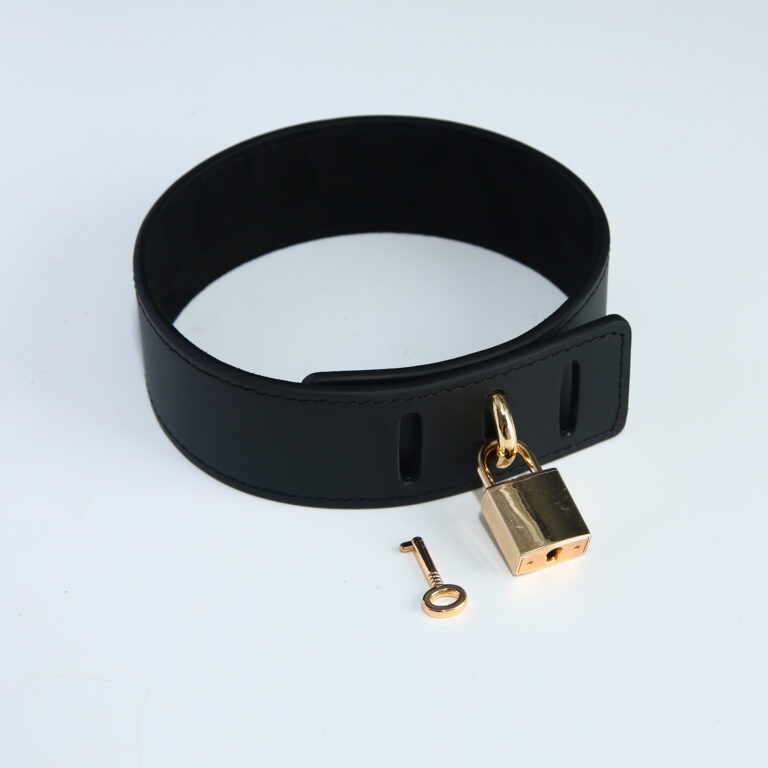


Una Guida Completa Ai Laccetti Bondage
Benvenuti a "Una guida completa alle restrizioni di bondage", una risorsa essenziale per i principianti che si avventurano nell'affascinante mondo del bondage, con un focus specifico sul fascino unico e sugli aspetti pratici della pelle. Noi di Zaoyi Bondage (bondagerestraint.com/), siamo specializzati nella creazione di Restrizioni di bondage di alta gamma in pelle pregiata, progettate sia per l'estetica che per la sicurezza senza compromessi. Questa guida ha lo scopo di fornirti le conoscenze fondamentali, sottolineando il consenso, la comunicazione e la sicurezza, assicurando che il tuo viaggio nel bondage in pelle sia sia potenziante che sicuro.

1. Introduction to Leather Bondage: The Allure and the Basics
Bondage, at its core, is a consensual exploration of power dynamics, sensation, and trust. Among the myriad materials used for Bondage Restraints, leather holds a distinct and enduring appeal. It’s not merely a material; it’s a statement, a sensory experience, and a symbol deeply embedded in BDSM culture.

The allure of leather is multifaceted. Visually, it exudes a “sexy visual” with a strength and weight that synthetic alternatives cannot replicate, enhancing the atmosphere of any scene [1]. Leather harnesses and collars, in particular, create a striking contrast against the skin, amplifying the erotic tension. Beyond aesthetics, leather cuffs and gear are often perceived as luxurious and high-end, adding a layer of seriousness and intimacy to BDSM sessions [2]. This sense of elegance and exclusivity is a hallmark of quality Bondage Restraints.
Historically, leather culture has deep roots, particularly within the queer community, evolving from military styles and motorcycle clubs into a distinct aesthetic [4]. Figures like Alan Selby and his shop, Mr. S Leather, were instrumental in solidifying leather’s place in queer fashion and kink [4]. This rich history contributes to the symbolic weight of leather Bondage Restraints, allowing wearers to express their identity and role within play [3]. The leather community even uses gear and accessories to communicate interests and roles, akin to the hanky code, with specific items signifying different kinks and preferences [5].
Tactilely, natural leather offers a unique sensory experience, making interactions more stimulating and engaging [2]. Over time, leather adapts to the body, becoming more flexible and conforming to the user, which enhances comfort during prolonged wear. This “breaking-in” process is part of the material’s charm and longevity.
From a practical standpoint, leather is exceptionally durable and resistant to stretching and mechanical damage, often outlasting synthetic or fabric alternatives [2]. With proper care, quality leather Bondage Restraints can last for years [3][1][6]. This durability translates into a sense of security and control, assuring the bound person of their immobility.

At Zaoyi Bondage, we understand these intrinsic qualities. Our commitment is to provide Bondage Restraints that embody this blend of aesthetic appeal, historical significance, sensory richness, and practical durability. We believe that the right leather gear not only performs its function but also elevates the entire experience, making it more profound and memorable.
2. The Foundation of Trust: Consent, Communication, and Boundaries
The bedrock of any safe, ethical, and fulfilling bondage practice, especially for beginners, is the unwavering commitment to enthusiastic consent, continuous communication, and clearly established boundaries. Without these pillars, no amount of high-quality gear can ensure a positive experience. The BDSM community, in particular, places an almost “fetishistic” emphasis on consent, where nothing is assumed, and everything is negotiated extensively before any act [18].
Enthusiastic Consent: The Absolute Necessity
Enthusiastic consent means that all parties are not just agreeing, but are genuinely eager and willing to participate. It is an ongoing process, requiring continuous communication, self-awareness, and respect for each person’s likes, dislikes, and limits [18]. Consent must be established ahead of time, not during the act itself, ensuring mutual understanding and agreement [18]. This proactive approach prevents misunderstandings and ensures that everyone feels safe and respected.
For individuals to give informed consent, they must first understand their own sexual desires and needs [18]. This self-knowledge is crucial for effective communication. Within BDSM communities, there’s often a shared ethic where members look out for each other, demonstrating a communal responsibility for ensuring consent and intervening if someone appears to be acting unsafely [18].
Continuous Communication: The Lifeline of Play
Communication is the constant thread that weaves through every aspect of bondage. Before, during, and after a scene, open and honest dialogue is paramount. This includes discussing desires, fantasies, and, most importantly, limits.
A critical tool for communication during a scene is the safeword. A safeword should always be agreed upon before engaging in any BDSM activity [23]. This word, or a system of words (like the “traffic light” system: “Green” to continue, “Yellow” to slow down, “Red” to stop), allows the submissive to immediately halt or adjust the experience if they feel overwhelmed, uncomfortable, or unsafe [43]. For situations where verbal communication is impossible (e.g., with a gag), non-verbal signals, such as dropping an object or snapping fingers, must also be established [43]. The dominant partner bears full responsibility for the submissive’s safety and must be attentive and responsive to these signals [44].
Regular check-ins, even casual ones, during a scene can provide reassurance and maintain the atmosphere while ensuring comfort [42]. This continuous dialogue reinforces trust and allows for real-time adjustments.
Clearly Established Boundaries: Personal Limits
Boundaries are personal limits related to one’s physical space, feelings, or privacy [19]. In the context of bondage, these are often categorized as “hard limits” and “soft limits.”
- Hard Limits: These are absolute no-gos, activities that a person will never engage in. They are non-negotiable and, if crossed, can cause significant emotional or physical harm.
- Soft Limits: These are activities that a person might be open to exploring but with caution, under specific circumstances, or with careful negotiation. They might cause discomfort but are not inherently harmful if managed correctly.
Respecting these preferences and boundaries is non-negotiable [22]. It’s vital to discuss these limits thoroughly before any play begins. This includes physical boundaries (e.g., no impact play on certain body parts), emotional boundaries (e.g., no name-calling), and even time limits for scenes.
At Zaoyi Bondage, we emphasize that our Bondage Restraints are tools to enhance consensual experiences, not to bypass the fundamental principles of trust, communication, and boundaries. Our products are designed to be used within a framework of mutual respect and understanding, ensuring that every experience is safe, sane, and consensual (SSC) [32].
3. Prioritizing Safety: Essential Practices and Health Considerations
Safety is paramount in any BDSM activity, especially when incorporating Bondage Restraints. A thorough understanding of essential safety protocols, health considerations, and emergency planning is crucial for ensuring the physical and psychological well-being of all participants.
Fundamental Safety Protocols
- Emergency Planning: Always have a well-defined emergency plan. This includes readily available tools to quickly release participants from Bondage Restraints (e.g., safety shears for rope, keys for locks) and a method to summon assistance if needed [23]. This plan should be discussed and understood by all involved.
- Avoid Substances: The use of drugs and alcohol during BDSM activities is highly dangerous and irresponsible [23]. These substances impair judgment, reaction time, and the ability to adhere to safety precautions. In cases of BDSM-related fatalities, a significant percentage involved drugs or alcohol [23]. Bondage requires quick responses and a watchful eye, which is compromised under the influence.
- Safewords and Non-Verbal Signals: As discussed, a safeword is essential. For situations where verbal communication is impossible (e.g., with a gag), pre-established non-verbal signals (e.g., hand signals, dropping an object) are critical [43]. The dominant must be constantly monitoring for these signals.
- Never Leave a Bound Person Alone: A bound individual must never be left unattended [17]. Continuous supervision ensures immediate response in case of discomfort, distress, or an emergency.
- Circulation Checks: Quando si usa Bondage Restraints like cuffs or collars, regularly check for signs of restricted circulation. This includes monitoring skin color and temperature around the restrained areas [45]. If the skin appears excessively cold, discolored (e.g., blue or purple), or if the person reports numbness or tingling, release the restraint immediately [45]. A simple capillary refill test can be performed by squeezing a fingertip or toenail; the color should return within 3 seconds [45].
- Avoid Nerve Areas: Be extremely cautious about placing Bondage Restraints over areas prone to nerve compression. The superficial radial nerve at the wrist is particularly susceptible [51]. Placing cuffs higher on the forearm can help avoid unwanted pressure on nerves [42]. Nerve damage can result in numbness, sensory disturbance, pain, and impaired dexterity [55][51]. Very thin individuals are at higher risk for acute compression nerve injury [54].
- Proper Fit: Bondage Restraints should be snug enough to be effective but never so tight as to cause pain, restrict breathing, or cut off circulation. For collars, you should always be able to fit one or two fingers between the collar and the neck [48]. For cuffs, a finger should comfortably slip between the cuff and the skin [42].
- Quick Release Mechanisms: Ideally, Bondage Restraints should incorporate quick-release mechanisms (e.g., panic snaps, quick-release buckles) to allow for immediate removal in emergencies [53]. This is a crucial safety feature.
- Gradual Introduction: For beginners, introduce Bondage Restraints gradually. Start with shorter sessions and less restrictive items to allow the body and mind to acclimate to the sensations [43][56]. Let the least experienced partner set the pace [56].
Health Considerations
- Pre-Existing Conditions: Before engaging in bondage, both partners should openly discuss any pre-existing health conditions, injuries, or sensitivities (e.g., joint issues, skin allergies, respiratory problems, TMJ) that might be exacerbated by restraints or certain positions.
- Hydration and Breaks: For longer scenes, ensure adequate hydration and consider taking breaks to prevent discomfort and fatigue.
- Intoxicated Individuals: Exercise extreme caution with intoxicated individuals. Alcohol-induced anesthesia can mask discomfort, making them unable to communicate distress [52]. Periodic monitoring of their hands and wrists is essential to prevent nerve or soft tissue damage [52].
- Trachea and Carotid Artery Safety (Collars): When using collars, a primary safety concern is avoiding any pressure on the trachea (windpipe) and carotid arteries [37]. Constriction in these areas can lead to breathing difficulties, loss of consciousness, or even death. Ensure the collar is properly fitted, allowing for at least one or two fingers to be inserted between the collar and the neck [37]. Never tie anything around someone’s neck in a way that could restrict breathing [17].
- Choking Prevention (Gags): For oral gags, prioritize designs that allow for easier breathing, such as ball gags with air holes or open-mouth gags [36]. Ensure the gagged person is in a safe position to prevent choking, and only use items specifically designed for mouth insertion to avoid choking or toxicity risks [32].
At Zaoyi Bondage, our Bondage Restraints are crafted with safety in mind, featuring durable hardware and thoughtful designs. However, the ultimate responsibility for safe play lies with the users. We encourage all our customers to prioritize these safety protocols and health considerations to ensure every experience is enjoyable and risk-free.
4. A Beginner’s Catalog of Leather Restraints
Leather Bondage Restraints come in a vast array of designs, each serving distinct functions and offering unique sensations. For beginners, understanding the basic types is the first step toward exploring this exciting world. Zaoyi Bondage offers a premium selection of handcrafted leather gear, designed for both functionality and aesthetic appeal.
Leather Cuffs: Wrist and Ankle Restraints
Leather cuffs are perhaps the most iconic and versatile Bondage Restraints, making them an excellent starting point for beginners. They offer secure restraint without being overly restrictive, and their adjustable nature allows for a comfortable fit [27].
- Purpose: Primarily used to restrict movement of wrists and ankles, connecting a person to a fixed point, to another limb, or to another person.
- Styles and Features:
- Adjustable Straps: Most leather cuffs feature adjustable straps or buckles, allowing for a customized fit that is snug but not too tight [27][29]. You should always be able to slip a finger comfortably between the cuff and the skin [42].
- Padding and Lining: For enhanced comfort and to prevent chafing, many high-quality cuffs, like those from Zaoyi Bondage, incorporate soft inner linings (e.g., fleece, fur, or suede) or padding [7][30].
- D-Rings: D-rings are a common feature, providing attachment points for chains, leashes, or other connection devices [30]. Ensure these D-rings are securely stitched or riveted and welded, not open, to prevent them from pulling off over time [44].
- Quick-Release Mechanisms: Some cuffs include quick-release clips or buckles for easy and secure restraint, and more importantly, rapid release in an emergency [29][30].
- Lockable Sets: For more experienced users seeking absolute control, lockable sets are available [31].
- Zaoyi Bondage Cuffs: Explore our range of exquisite leather cuffs, including Italy Leather BDSM Cuffs, Luxury Gothic Handcuffs, Elegant Bondage Cuffs, Fetish Ankle Cuffs, and Leather Bondage Cuffs. We also offer unique designs like Manette BDSM Morbide Fluff (Inverno 2025) and Bad Blood Bondage Cuffs (2025 Edition).
Leather Collars: Neck Restraints and Their Use
Leather collars are deeply symbolic Bondage Restraints, representing ownership, commitment, status, or a specific role within a dynamic [38]. They can have a profound psychological impact, fostering feelings of submission, dominance, or intimacy [38].
- Purpose: Used around the neck for symbolic purposes, as a leash attachment point, or for light restraint.
- Designs and Applications:
- Day Collars: Often discreet, worn as a subtle BDSM symbol in everyday life [38].
- Scene Collars: More elaborate, intended for use during play, and can be highly decorative.
- Width and Thickness: The width and thickness of the collar influence its visual impact and potential for discomfort. Wider collars distribute pressure more evenly [38].
- Safety Considerations:
- Crucial Fit: The fit is paramount. It must be snug enough to stay in place but loose enough to allow at least one or two fingers between the collar and the neck, preventing pressure on the trachea and carotid arteries [37]. Never restrict breathing or blood flow [37].
- Quick-Release Mechanisms: Collars used in BDSM scenarios should ideally incorporate a quick-release mechanism (e.g., snap, buckle, or magnetic closure) for immediate removal in emergencies [38].
- Material Quality: High-quality leather, often with soft padding or lining, is essential to prevent chafing and skin irritation [37].
- Zaoyi Bondage Collars: Discover our premium collection, including the classic Collar, the distinctive Cowboy BDSM Collar (1 Piece), the elegant WEDNESDAY Bondage Collar (1 Piece), and the symbolic BDSM Fetish Collar. For a touch of history, consider our Vintage Bondage Collar (1 Piece).
Leather Gags: Exploring Oral Restraints
Leather gags are Bondage Restraints designed to restrict speech and control the mouth, intensifying sensations and power dynamics. They come in various forms, each with distinct effects.
- Purpose: To prevent speech, force the mouth open, or create specific oral sensations.
- Types:
- Ball Gags: The most popular type, featuring a ball (typically rubber or silicone) positioned behind the teeth, forcing the mouth open and preventing speech while still allowing sounds [32][34]. Wiffle ball gags have holes for increased airflow [34].
- Bit Gags: Styled after horse bridle bits, with a bar placed in the mouth, restricting mouth closure and speech [34][33].
- Over-the-Mouth (OTM) Gags: These include panel gags (leather covering the mouth) and muzzle gags (with head harnesses restricting jaw movement), often associated with humiliation due to their high restriction levels [32][33].
- Open Mouth Gags: Restrict speech but allow access to the mouth, such as ring gags [32].
- Safety Notes for Oral Use:
- Breathing: Prioritize gags that allow easier breathing, especially for longer sessions or beginners [36].
- Non-Verbal Communication: Establish clear safe signals (e.g., hand signals) since the gagged person cannot speak [36].
- Constant Monitoring: Never leave a gagged person unattended [36].
- Choking Prevention: Ensure the submissive is in a safe position to prevent choking and only use items designed for mouth insertion [32].
- Material Quality: Opt for high-quality, body-safe materials like medical-grade silicone or soft leather for comfort, safety, and ease of cleaning [36]. Avoid cheap plastic gags with sharp edges [36].
- Sizing: Beginners should start with small or medium sizes to allow the jaw and mouth to adjust [35].
- Zaoyi Bondage ensures that our leather gags are crafted from premium, body-safe materials, prioritizing both safety and the desired psychological impact.
Leather Harnesses and Straps: Body Restraints and Connection
Leather harnesses and straps are versatile Bondage Restraints used for full or partial body restraint, posture control, or connecting multiple points. They can create a powerful visual and physical experience.
- Purpose: To restrict torso or limb movement, maintain specific postures, or serve as attachment points for other restraints or leashes.
- Types and Applications:
- Posture Harnesses: Designed to apply gentle pressure to the upper back and shoulder area, encouraging an upright posture [37]. These often feature adjustable arm straps to customize restriction and support [38]. Some designs can serve a dual purpose for posture correction and BDSM play [38].
- Cross-Body Restraint Harnesses: Designed to tightly restrain a submissive’s arms and hands against their body, forcing submission [39]. These often include quick-release buckles and locking posts for security [39].
- Leg and Chest Harnesses: Used to restrict movement of specific body parts or to create a desired aesthetic.
- Straps: Individual leather straps can be used for various purposes, such as binding limbs together, securing a person to furniture, or creating intricate patterns of restraint.
- Material and Construction: Often made from premium-grade latigo leather for durability and structure [39]. Many are handmade, focusing on unique and empowering designs [40].
- Zaoyi Bondage Harnesses: Explore our collection of body Bondage Restraints, including Luxury BDSM Harness Lingerie (1 Piece) and Sex Harness BDSM Lingerie (3 Pieces), designed for both aesthetic appeal and secure restraint.
Other Specialized Leather Restraints
Beyond the core categories, leather is also used for a variety of specialized Bondage Restraints that enhance sensory deprivation, posture play, or specific fetishes.
- Blindfolds: Leather blindfolds remove the sense of sight, heightening other senses and increasing vulnerability [44]. This can deepen the scene and intensify the experience.
- Hoods and Masks: Leather hoods and masks can provide sensory deprivation, anonymity, and facilitate role-play, transforming the wearer’s identity and enhancing the power dynamic.
- Posture Devices: Unique leather devices designed to force specific, often uncomfortable, postures for extended periods, focusing on endurance and control.
- Zaoyi Bondage Specialized Gear: Discover our range of specialized items, including Leather BDSM Blindfold, Fetish Bondage Blindfold, Zaoyi Bondage Hood Mask, Fetish BDSM Hood, and Genuine Leather BDSM Hood. We also offer curated Zaoyi Restraint Kits and Zaoyi bondage blind box for those looking to explore a variety of Bondage Restraints.
At Zaoyi Bondage, we pride ourselves on the craftsmanship and quality of our leather Bondage Restraints, ensuring that each piece is not only beautiful but also safe and effective for your consensual explorations.
5. Basic Application Techniques for Leather Restraints
Proper application of leather Bondage Restraints is crucial for ensuring comfort, security, and, most importantly, safety. For beginners, mastering these basic techniques, coupled with unwavering communication, is essential for a positive experience.
I. Safety First & Communication: The Unbreakable Rule
Before any leather Bondage Restraints are introduced, an open and honest conversation with your partner is non-negotiable [42]. This discussion should cover:
- Comfort Levels and Boundaries: Explicitly discuss comfort levels, hard limits, and soft limits. Ensure both partners fully understand what is about to happen, including comfortable restraint positions and the anticipated duration [42][43].
- Safe Word System: Establish a clear safe word that can immediately stop the activity [42]. The “traffic light” system (“Green” to continue, “Yellow” to slow down, “Red” to stop) is highly recommended [43]. For situations where verbal communication is impossible (e.g., with a gag), pre-arranged non-verbal signals (like dropping an object or snapping fingers) must be agreed upon [43].
- Dominant’s Responsibility: The dominant partner assumes full responsibility for the submissive’s safety and well-being while using Bondage Restraints [44]. This includes being attentive, responsive, and never leaving the submissive unattended [44]. Avoid alcohol or drugs, as clear judgment is essential for quick responses and a watchful eye [44].
- Regular Check-ins: Periodically ask your partner if they are comfortable, even if they haven’t used the safe word [42]. Casual verbal check-ins foster reassurance and maintain the atmosphere [42].
- Monitor for Discomfort: Continuously watch for any changes in skin color or temperature around the restrained areas, as this could indicate restricted circulation [45]. Limit the time in Bondage Restraints, taking breaks to prevent discomfort and ensure safety, especially for beginners [43][42].
II. Choosing and Fitting Restraints: Quality and Precision
The quality and fit of your Bondage Restraints directly impact safety and comfort.
- Material Matters: Always opt for genuine leather Bondage Restraints over faux leather. Real leather products from Zaoyi Bondage offer distinctive look, feel, and smell, and are built to last [46]. Leather or padded cuffs are generally more comfortable for beginners, preventing chafing and irritation [42].
- Proper Sizing is Crucial: Accurate measurement is key. For collars, choose one that allows for some adjustment [47]. Many collars come with adjustable straps or buckles to ensure a secure and comfortable fit [47][48]. For cuffs, custom sizing is often available, allowing for a perfect look and fit based on your neck, wrist, and ankle measurements [50].
- Snug, Not Tight: Leather Bondage Restraints should fit snugly but never restrict breathing or cause discomfort [48]. For collars, you should be able to fit two fingers between your neck and the collar for a proper fit [48]. For cuffs, a finger should comfortably slip between the cuff and the skin [42].
- Adjustability: Choose adjustable Bondage Restraints. This allows you to find the best position and tightness depending on your mood and the scenario [49].
- Try Before Playing: Always try on new Bondage Restraints before incorporating them into a scene [49]. This allows you to understand how they feel on the skin and receive feedback from your partner.
- Hardware Quality: Inspect the hardware. D-rings should be securely stitched or riveted and welded, not open, to prevent them from pulling off over time [44]. There should be no sharp or rough edges on any metal components [44].
- Smooth Edges: The edges of cuffs should be smooth and comfortable to prevent rubbing against the skin, which can cause red marks [44].
- Metal Considerations: Ensure that no metal rivet backs or buckles are directly against the skin, as some individuals react to non-precious metals, and there’s a higher risk of rubbing [44].
- Double Locking Mechanisms: For handcuffs, look for a double-lock mechanism. This prevents them from over-tightening during use, which is a critical safety feature [44][52].
III. Application Techniques & Safety Checks: Practical Steps
Once you have chosen your Bondage Restraints and established communication, the application process requires careful attention.
- Placement of Cuffs: Position cuffs around your partner’s wrists or ankles, ensuring they are not too tight [42]. Remember the “two-finger rule” – you should be able to slip a finger comfortably between the cuff and the skin [42]. Avoid placing cuffs directly over wrist bones or other areas prone to nerve compression; placing them higher on the forearm can mitigate this risk [42].
- Controlli della circolazione (riempimento capillare): Se il tuo partner è fisicamente immobilizzato, controlla le sue mani e i suoi piedi almeno ogni 10 minuti [44]. Se li sente eccessivamente freddi o stanno cambiando colore, rilascia immediatamente Bondage Restraints, anche se chiedono di rimanere in essi [44]. Per eseguire un test di riempimento capillare, stringi la punta di un dito o di un alluce; l'area dovrebbe tornare rosa entro 3 secondi o meno [45]. Un ritorno più lento indica una circolazione ristretta [45].
- Consapevolezza della compressione nervosa: Manette o movimenti eccessivamente stretti possono comprimere vasi sanguigni e nervi [51]. Il nervo radiale superficiale al polso è particolarmente vulnerabile [51]. Una compressione prolungata può portare a neuropatia da manette, causando intorpidimento e compromettendo la destrezza [51].
- Inserire i doppi blocchi: Se si utilizzano manette con un meccanismo a doppio blocco, inserirlo sempre dopo l'applicazione per evitare un ulteriore serraggio [52].
- Monitorare gli individui intossicati: Se una persona è intossicata, potrebbe non lamentarsi del disagio a causa dell'anestesia indotta dall'alcol [52]. Ciò richiede maggiore cautela e un monitoraggio frequente delle mani e dei polsi per evitare danni ai nervi o ai tessuti molli [52].
- Prontezza al rilascio rapido: Assicurarsi che qualsiasi meccanismo di sgancio rapido sia facilmente accessibile e compreso da entrambe le parti [53]. Ad esempio, un "moschettone a sgancio rapido" può essere tirato verso il basso per aprirsi immediatamente [53].
- Gravità della compressione: Comprendere che una durata maggiore e una compressione più estrema si tradurranno in lesioni più gravi [54]. È possibile ridurre drasticamente la forza di compressione applicando meno carico o avendo più materiale di bondage (con tensione uniforme) contro la pelle [54].
- Aree ad alto rischio: Le articolazioni e le braccia sono generalmente aree a più alto rischio di danni ai nervi rispetto a cosce o piedi [54]. Il nervo radiale nella parte centrale superiore del braccio è un sito comune di danni ai nervi da bondage [54].
- Sintomi di danno nervoso: Essere consapevoli di sintomi come intorpidimento, disturbi sensoriali e dolore intorno ai polsi. Anche senza segni fisici, le sequele possono essere persistenti e debilitanti [55].
IV. Consigli e tecniche aggiuntive
- Gradual Introduction: Se il bondage è nuovo, inizia in piccolo e prenditi il tuo tempo [56]. Lascia che la persona meno esperta detti il ritmo [56].
- Nodi scorrevoli: Per gli elementi in corda, la tecnica dei "nodi scorrevoli" o "nodi scorsoi" consente anelli facilmente regolabili, personalizzando il livello di contenimento per comfort e sicurezza [57][48].
- Blindfolds: Combinare le bende con Bondage Restraints può approfondire una scena rimuovendo la vista e ponendo il sottomesso in una posizione di estrema vulnerabilità, acutizzando gli altri sensi [44][58].
- Sistemi di contenimento domestici: Considera i sistemi di contenimento sotto il letto con manette che si infilano sotto il materasso, o i contenimenti sopra la porta come alternative convenienti se mancano punti di attacco [58].
At Zaoyi Bondage, our Bondage Restraints sono progettati per facilità d'uso e sicurezza, ma sono più efficaci se abbinati a tecniche di applicazione informate e a un forte impegno per la comunicazione e la cura.
6. Oltre il fisico: aspetti psicologici e aftercare
Il bondage è molto più di una semplice costrizione fisica; è una profonda esplorazione di paesaggi emotivi e psicologici, dinamiche di potere, vulnerabilità e sensazione. Comprendere queste dimensioni più profonde, insieme alla pratica cruciale dell'aftercare, è vitale per un'esperienza olistica e sana.
Aspetti psicologici del bondage
- Dinamiche di potere: Il BDSM, che comprende bondage e disciplina, dominanza e sottomissione, e sadismo e masochismo, riguarda fondamentalmente scambi di potere consensuali [61]. Negoziare queste dinamiche di potere è cruciale, coinvolgendo discussioni e accordi su ruoli, regole, confini e safeword [61]. Bondage Restraints servono come simboli e strumenti tangibili all'interno di queste dinamiche, rafforzando i ruoli concordati e migliorando il senso di controllo o di resa.
- Vulnerabilità e fiducia: Essere fisicamente immobilizzati pone intrinsecamente un individuo in una posizione vulnerabile. Questa vulnerabilità, se unita a una profonda fiducia nel partner dominante, può essere incredibilmente erotica e psicologicamente liberatoria. Permette un rilascio del controllo che può essere profondamente soddisfacente.
- Stati alterati di coscienza: Le attività BDSM possono indurre stati alterati di coscienza, spesso definiti "sub-space" o "dom-space" [69][75]. Si ritiene che questi stati euforici siano innescati da sovraccarico sensoriale, attenzione focalizzata e dal rinunciare o prendere il controllo, suggerendo il coinvolgimento dei sistemi di piacere e ricompensa del cervello [63][69][75].
- Fondamenti neurobiologici: La ricerca indica che il BDSM attiva i sistemi di ricompensa e stress del cervello per creare esperienze intime che rafforzano l'attaccamento [74]. L'opercolo parietale e lo striato ventrale svolgono ruoli nel piacere e nella ricompensa, mentre la corteccia somatosensoriale è coinvolta nella percezione del dolore [61][63]. I cambiamenti ormonali, come gli spostamenti del cortisolo nei sottomessi e i cambiamenti degli endocannabinoidi, implicano i sistemi fisiologici di stress e piacere/ricompensa [61][63]. Il rilascio di endorfine durante il BDSM può favorire sentimenti di vicinanza e fiducia [87].
- Rilascio emotivo e riduzione dello stress: Il gioco di bondage può fornire uno sfogo sicuro per esplorare emozioni come vulnerabilità, controllo e resa senza conseguenze nel mondo reale [88]. L'intensa concentrazione richiesta durante il BDSM può anche creare un effetto meditativo e di riduzione dello stress [88].
- Esplorazione dell'identità: Il BDSM offre uno spazio sicuro per gli individui per esplorare ed esprimere aspetti della loro identità e dei loro desideri che potrebbero non essere accessibili nella vita di tutti i giorni [87][88]. Permette alle persone di assumere ruoli che contrastano con le loro routine quotidiane, fornendo un senso di libertà e autoespressione [88].
- Gioco sensoriale: Questo implica coinvolgere i sensi per aumentare il piacere erotico e indurre sensualità [89]. Nel BDSM, il gioco sensoriale può includere il "gioco del dolore" o il gioco d'impatto per rilasciare endorfine piacevoli [89][90]. Esempi includono il gioco della temperatura (ghiaccio, cera), il gioco d'impatto (paddle, fruste) e la deprivazione sensoriale (bende, bavagli) [62][90]. Sicurezza e consenso sono fondamentali in tutte le forme di gioco sensoriale, con confini predefiniti riguardo a intensità, durata e tipo di esperienze [90][92]. Zaoyi Bondage offre una gamma di strumenti per il gioco sensoriale, come i nostri BDSM Paddle and Spiked Mace BDSM Paddle.
Aftercare: La pratica cruciale
L'aftercare è la fornitura di supporto emotivo, psicologico o fisico ai partecipanti dopo le attività BDSM [68][69][70]. Non è semplicemente un extra opzionale, ma una componente essenziale per decomprimere, elaborare l'esperienza e rafforzare l'intimità [68][71]. L'aftercare aiuta a rafforzare la fiducia attraverso discussioni post-scena [69][66].
- Importanza per tutti i partecipanti: L'aftercare non è esclusivo dei sottomessi; anche i partecipanti dominanti possono richiedere supporto, poiché la necessità di aftercare è altamente individuale [72][70][73]. Sia il "sub drop" (un calo emotivo sperimentato dai sottomessi) che il "dom drop" (un'esperienza simile per i dominanti) sono correlati a cambiamenti ormonali e neurotrasmettitoriali, in particolare una diminuzione di endorfine e serotonina [77][85]. L'aftercare è cruciale per evitare questi cali [73][78].
- Effetti emotivi post-BDSM: Le risposte emotive al BDSM possono variare dall'euforia alla tristezza o alla depressione [69]. L'aftercare aiuta a gestire queste fluttuazioni e a ripristinare l'omeostasi psicofisiologica e relazionale [74].
- Pratiche comuni di aftercare:
- Physical Comfort: Coccole (rilascio di ossitocina per il legame e la riduzione dello stress), coperte, acqua, snack, massaggi e bagni caldi [68][69][74].
- Supporto Emotivo: Parole di affermazione, controlli delicati, condivisione di ciò che è piaciuto della scena e comunicazione aperta sui sentimenti [68][67][69].
- Riconnessione: Riconnettersi con il proprio partner attraverso coccole o conversazioni aiuta a radicare entrambi gli individui [36].
- Aftercare individuale: Per gli individui senza un partner, pratiche come il journaling, il riposo o i rituali di radicamento possono essere benefiche [68].
- Follow-up: Controllare ore o giorni dopo per vedere come si sentono tutti, specialmente se si verifica un sub drop o un dom drop [68].
- Aftercare personalizzato: I piani di aftercare dovrebbero essere personalizzati per alleviare efficacemente i sintomi del calo [71]. Una dieta equilibrata con proteine e vitamine, insieme a sufficiente