
How To Use Bed Bondage Restraint Kit Tied Your Bed?
Utilizing a bed bondage restraint kit with a partner can introduce an exhilarating dimension to intimacy, offering a unique blend of trust, vulnerability, and shared exploration. This comprehensive guide is meticulously crafted for the discerning individual, providing an in-depth understanding of safe practices, component functionality, setup procedures, and advanced techniques. Our focus is on maximizing both pleasure and safety, ensuring every experience with your bed bondage restraint kit is memorable and secure.
1. Foundational Principles for Safe Partnered Bondage
The cornerstone of any successful and ethical bondage experience, particularly with a bed bondage restraint kit, lies in establishing robust foundational principles. These principles transcend mere physical application, delving into the psychological and emotional landscape of all participants.

1.1. The Imperative of Enthusiastic and Informed Consent
Consent in BDSM is not a one-time agreement; it is a continuous, explicit, and informed process. It requires all participants to actively and enthusiastically agree to specific acts or types of relationships, mirroring the rigorous standards of informed consent in other critical contexts 1. This means going beyond a simple “yes” to ensure a deep understanding of what is being agreed upon, including potential risks and boundaries.

1.2. Navigating Diverse Consent Models
The BDSM community has evolved several consent models, each offering a distinct philosophical approach to risk management and engagement. Understanding these models is crucial for tailoring your approach to your bed bondage restraint kit experiences:
- Safe, Sane, and Consensual (SSC): This traditional model emphasizes safety and mental stability, aiming to safeguard against severe, irreversible harm 2. SSC emerged to counter the historical stigma of sadism and masochism as mental illnesses, demonstrating that BDSM activities could be practiced responsibly 3.
- Risk-Aware Consensual Kink (RACK): Evolving from SSC, RACK acknowledges that BDSM can involve calculated risks, where participants may intentionally challenge their health and mental well-being for pleasurable experiences 2. It recognizes that strict adherence to “safety” and “sanity” might not encompass all forms of consensual edge play.
- Committed, Compassionate, Consensual (CCC): This model adds layers of emotional depth, focusing on the relational aspects of BDSM.
- The 4 C’s (Caring, Communication, Consent, Caution): A practical framework emphasizing ongoing care and vigilance.
While these models provide invaluable community guidelines, it’s important to note their limitations in legal contexts. RACK and SSC, for instance, may not offer sufficient legal protection if “risk-aware, consensual” behaviors lead to criminal charges 4. This underscores the importance of clear, documented agreements, especially when exploring more intense scenarios with your bed bondage restraint kit.

1.3. The Non-Negotiable Role of Safewords
A safeword is the ultimate termination trigger, allowing any participant to immediately halt an activity, irrespective of prior consent 1. Engaging in BDSM without a designated safeword is considered high-risk, and ignoring a safeword can lead to severe social ostracization within the BDSM community 1. Safewords serve as a vital balance, preventing oppression by the dominant party and empowering the submissive to end or modify a scene, thereby preserving their physical and mental well-being 2.
1.4. The Four-Part Consent Negotiation Framework
Effective BDSM negotiations to establish consent typically encompass four critical areas:
- Style of Play: What kind of activities are desired?
- Body Parts Involved: Which areas are on-limits or in-play?
- Limits: What are the hard limits (no-gos) and soft limits (proceed with caution)?
- Safewords: Clearly defined and understood by all 1.
This structured negotiation ensures both partners are on the same page before the bed bondage restraint kit is even unboxed.
1.5. Understanding Consensual Non-Consent (CNC)
CNC, also known as meta-consent or blanket consent, involves a pre-agreed waiver of consent, often intended to be irrevocable under most circumstances 1. This controversial practice, often without the submissive knowing the exact actions planned, is primarily seen in Master/slave dynamics due to significant safety concerns 1. While it challenges traditional consent boundaries, it highlights the desire for some practitioners to subvert autonomy through acts that might be marginalized by purely liberal interpretations of consent 2. Extreme caution and deep trust are paramount if considering such dynamics.
1.6. Psychological Safety and Aftercare
Beyond physical safety, psychological well-being is paramount. BDSM, including the use of a bed bondage restraint kit, is increasingly recognized as a form of normal sexual diversity 4. However, it’s crucial to distinguish consensual BDSM from abuse. The BDSM community plays a vital role in educating on consent and etiquette 5. Aftercare, a critical component often overlooked, involves post-scene emotional and physical support, helping partners process the experience and return to a baseline of comfort and connection.
1.7. Legal Considerations and Explicit Prior Permission (EPP)
Even consensual BDSM activities can carry legal risks, potentially leading to criminal charges 4. New legal guidelines, such as Explicit Prior Permission (EPP), may offer some protection by requiring explicit informed consent, prohibiting extreme behaviors, and ensuring the ability to end activities 4. EPP mandates current affirmative consent, given in writing or verbally, and explicitly does not protect individuals who are asleep or unconscious 4. This legal landscape underscores the need for meticulous communication and documentation.
2. Understanding Your Bed Bondage Kit Components
A high-quality bed bondage restraint kit is more than just a collection of straps; it’s a carefully engineered system designed for both security and sensation. As a company specializing in premium leather bondage restraints, we understand the critical role of material science and meticulous craftsmanship. Our products, such as our Italy Leather BDSM Cuffs and Elegant Bondage Cuffs, exemplify the fusion of durability and luxurious comfort.
2.1. Core Components of a Bed Bondage Restraint Kit
Most bed bondage restraint kits typically include:
- Cuffs: Designed for wrists and ankles, these are the primary points of restraint. Our Luxury Gothic Handcuffs and Fetish Ankle Cuffs are crafted from premium cowhide leather, often with soft linings for comfort. The quality of stitching—thread type, density, and reinforcement—is a critical factor in their durability and safety 4.
- Straps: These connect the cuffs to the under-mattress system or other anchor points. They are often made of nylon or polyester. Polyester, used in brands like Sportsheets, generally offers better UV resistance than nylon, though specific denier and weave significantly impact strength and abrasion resistance 2.
- Under-Mattress System: This is the foundational element, typically consisting of adjustable straps that run beneath the mattress, creating secure anchor points without needing permanent bed modifications.
- Spreader Bar: An optional but common component, the spreader bar connects two cuffs (e.g., ankles or wrists) to maintain a desired spread or position.
2.2. Material Science and Failure Points
The safety and longevity of your bed bondage restraint kit are directly tied to the quality of its materials and construction.
2.2.1. Material Breakdown:
- Nahka: High-end kits, like those we offer, frequently feature cowhide leather for cuffs and connectors 4. The “soft lining” often mentioned for comfort should not compromise the overall strength. Stitching quality is paramount; poor stitching is a common failure point, especially under repeated stress 4. Meidän Leather Bondage Cuffs are designed with reinforced stitching for maximum security.
- Nylon & Polyester: Common in straps, these synthetic fibers offer varying degrees of tensile strength and abrasion resistance. Specific data on these metrics is often absent in product descriptions, which is a concern 1.
- Metal Hardware: D-rings, buckles, and swivel clips are crucial. Their material (steel, aluminum) and construction (welded vs. non-welded) are critical safety factors. Load ratings, unfortunately, are rarely specified in consumer product descriptions 4.
- Neoprene/Padding: Used for comfort in soft cuffs, padding can degrade over time due to sweat and cleaning agents, potentially affecting comfort and hygiene.
- Velcro: While convenient for cuff closures, Velcro can fail under high stress or repeated use. The quality and size of the fastening area are important 3.
- High-Performance Synthetics: For extreme durability, materials like Dyneema or Technora offer exceptional strength and abrasion resistance, though at a higher cost.
- 9. Lääketieteellinen silikoni: This material is durable, hypoallergenic, and easy to clean, making it an excellent alternative for cuffs and padding, especially for those with sensitive skin.
2.2.2. Common Failure Modes:
- Tensile Strength Exceedance: The most direct failure mode is when the force applied exceeds the material’s tensile strength. Specific data for complete kits is rarely provided 1.
- Abrasion: Constant rubbing against bed frames, skin, or other surfaces can weaken straps over time 1. Material choice and weave density are key to abrasion resistance.
- Stitching Failure: As mentioned, stitching is a frequent point of failure, particularly with low-quality thread or insufficient reinforcement 4.
- Chemical Degradation: Sweat, cleaning agents, and lubricants can degrade materials, reducing strength and causing discoloration or cracking.
- Fatigue: Repeated stress cycles, even below the ultimate tensile strength, can lead to fatigue failure, especially with dynamic loads or frequent adjustments.
- Buckle/Fastener Failure: Buckles can fail due to material fatigue, corrosion, or improper use.
- Sharp Edges/Chafing: Poorly finished edges on straps or metal hardware can cause chafing or cuts, emphasizing the importance of quality craftsmanship.
2.3. Design and Quality Considerations
When selecting a bed bondage restraint kit, consider these factors:
- 73. Säädettävyys: Kits should offer ample adjustability to fit various bed sizes (twin to king) and body types 25. However, robust adjustment mechanisms are essential to prevent compromise of strength. Our Luxury Bondage Straps Set is designed with this versatility in mind.
- Universal Fit: Be cautious of “universal fit” claims, as some under-mattress systems may not be ideal for platform or adjustable beds.
- 43. Hintapiste: Lower-priced kits often use inferior materials and construction, increasing failure risk. Investment in a quality bed bondage restraint kit is an investment in safety and longevity.
- Brand Reputation: Established brands often have better quality control, but independent testing is always recommended.
- Beginner-Friendly Design: While ease of use is a plus for beginners, it should not come at the expense of security or durability 2.
2.4. Environmental Factors
Storage and usage conditions can impact material integrity:
- Humidity: High humidity can corrode metal hardware and degrade natural materials like leather.
- UV-altistus: Prolonged UV exposure can weaken synthetic materials.
- Temperature: Extreme temperatures can affect material flexibility and strength.
3. Bed Assessment and Preparation for Restraint
Before deploying your bed bondage restraint kit, a thorough assessment of your bed and its environment is crucial. This proactive approach ensures both the stability of the restraint system and the safety of all participants.
3.1. Evaluating Bed Styles for Suitability
Different bed frames present unique challenges and opportunities for securing a bed bondage restraint kit:
- Platform Beds: These often have solid bases or closely spaced slats, which can limit the space for under-mattress straps. Ensure there’s enough clearance for the straps to pass through without excessive friction or bunching.
- Slatted Beds: The spacing and strength of slats are critical. Wide gaps might allow straps to slip or concentrate pressure on a single slat, potentially causing damage or failure. Ensure slats are robust and evenly spaced.
- Divan Beds: These typically have a solid or sprung base. Under-mattress systems can work well, but ensure the mattress is not too deeply recessed into the frame, which could make strap adjustment difficult.
- Adjustable Beds: These frames pose the most significant challenges due to their moving parts, limited under-mattress space, and varied structural designs 7.
- Entanglement & Pinch Points: A primary concern is preventing straps from entangling with the bed’s moving mechanisms or creating pinch points during operation 7.
- Stability & Tension: Maintaining consistent strap tension and overall system stability is crucial, regardless of the bed’s position. Bed movement can alter strap tension 7.
- Weight Limits: Adjustable beds have specific weight limits; exceeding them can damage the motor and frame 7.
- Obstructions: Ensure no obstructions near the bed’s motor or moving parts 8.
- Power Supply & Moisture: Adjustable beds require a steady power source, and moisture can damage electrical components 10. Always unplug the bed before any maintenance or setup 11.
- Warranty Voidance: Using unapproved accessories or modifying the bed can void the warranty 710.
- Solutions for Adjustable Beds:
- Under-Mattress Straps: Many commercial kits, like those from Sportsheets, are designed with adjustable straps that run under the mattress 12.
- Self-Adhesive Velcro: Some kits, such as the LOCKINK BDSM Adjustable Bed Restraint Kit, use self-adhesive Velcro for direct restraint without lifting the mattress 13.
- Modulaariset järjestelmät: Companies like Leather Creations offer modular systems where individual sections can be customized 20.
- Integrated D-Rings: Specialized beds, like those from DungeonBeds, feature integrated restraint D-rings on corners and rails 14.
- Bed Post Attachment: Kits like Montrose Forge’s “Bed Post Kit” allow attachment to any bed leg or post 15.
- Headboard/Footboard Integration: Custom solutions can integrate restraint points into headboards or footboards 1918. Wall-mounted headboards can also be used to allow clearance for adjustable bed movements 16.
3.2. Identifying Secure Attachment Points
For any bed type, identifying secure attachment points is paramount. For a bed bondage restraint kit that relies on under-mattress straps, the primary attachment points are the mattress corners. Ensure the mattress is heavy enough to provide sufficient counter-tension and prevent the straps from shifting excessively. If using a bed frame with posts, ensure they are sturdy and securely fastened.
3.3. Preparing the Bed for the Restraint System
Preparation is key to a smooth and safe experience:
- Clear the Area: Remove any sharp objects, clutter, or fragile items from around the bed.
- Inspect the Bed: Check the bed frame, slats, and mattress for any damage, loose components, or sharp edges that could compromise the integrity of the bed bondage restraint kit or cause injury.
- Ensure Stability: Confirm the bed is stable and won’t shift or wobble during use.
- Mattress Position: For under-mattress systems, ensure the mattress is centered and firmly in place.
- Accessibility: Plan for easy access to the bed from all sides, especially for the dominant partner to make adjustments or for emergency release.
- Environmental Control: Consider room temperature, lighting, and privacy to enhance the experience.
4. Setting Up the Under-Mattress System and Spreader Bar
The under-mattress system forms the structural backbone of your bed bondage restraint kit, providing the necessary anchor points for secure and versatile play. Proper installation is critical for both safety and effectiveness.
4.1. Installing the Under-Mattress System
The under-mattress system typically consists of a series of adjustable straps designed to create a stable foundation for restraints. Our Zaoyi Restraint Kits and Luxury Bondage Set often feature robust under-mattress components.
4.1.1. Step-by-Step Installation:
- Lift the Mattress: Carefully lift one side or corner of the mattress to access the bed frame. For heavier mattresses, this may require two people.
- Position the Main Straps: Lay the main under-mattress straps across the bed frame, typically running perpendicular to the length of the bed, near the head and foot. Some systems may have straps that run lengthwise. Ensure the attachment points (e.g., D-rings or loops) are positioned where you intend to secure the cuffs.
- Adjust for Bed Size: Most bed bondage restraint kits are designed with adjustability to fit various bed sizes, from twin to California King 12. Adjust the length of the under-mattress straps so they extend slightly beyond the edges of your mattress.
- Secure Under the Mattress: Carefully lower the mattress back into place, ensuring the straps are flat and evenly distributed underneath. Avoid any bunching or twisting, as this can create pressure points or compromise stability.
- Connect Side Straps (if applicable): Many systems include side straps that connect the main under-mattress straps, forming a perimeter around the mattress. This enhances stability and prevents the main straps from shifting.
- Test Stability: Once installed, gently pull on the exposed attachment points to ensure the entire system is taut and secure. The mattress should provide sufficient counter-tension.
4.1.2. Optimizing for Body Types and Comfort:
Under-mattress systems should be optimized for diverse body types to ensure both safety and comfort.
- Anthropometric Considerations: The design of restraint systems benefits from anthropometric data, which measures human body dimensions. This ensures equipment fits a wide range of body sizes, reducing fatigue and preventing injuries 36. While a bed bondage restraint kit isn’t a child safety seat, the principle of designing for varied anthropometry applies 35.
- Säädettävyys ja modulaarisuus: Look for systems with high adjustability and modular components. Our Luxury Bondage Straps Set offers this flexibility. Modular designs allow for customization of restraint points and tension, accommodating different body shapes and sizes 39.
- Strap Width and Material: Wider straps (e.g., 2 inches) made from strong materials like fiber-reinforced rubber or nylon (with break strengths up to 4000 lbs) can distribute pressure more effectively, reducing the risk of nerve compression 30.
- Pehmuste: While padding alone has limitations in impact reduction (as seen in child restraint systems) 32, it is crucial for comfort in cuffs and areas where straps might press against the body. Padded cuffs are a common feature in quality kits 27.
- Ergonomic Design: Systems that consider ergonomic principles, like those in military gunner restraints, aim for healthy posture and adjustability for a wide range of body sizes (e.g., 50th percentile female to 95th percentile male) 33. This minimizes strain and enhances comfort during prolonged use.
- Buckle Types: Quick-connect and airplane-style buckles facilitate easy and adjustable strap length, allowing for precise tension control 30.
4.2. Attaching the Spreader Bar
A spreader bar is a versatile tool that can enhance the experience by maintaining a specific spread between limbs.
4.2.1. Step-by-Step Attachment:
- Select Placement: Decide whether the spreader bar will be used for wrists, ankles, or a combination.
- Connect to Cuffs: Attach the ends of the spreader bar to the D-rings or loops on the cuffs. Our Diamond BDSM Cuffs and Fluff Tender BDSM Cuffs are designed for easy attachment.
- Adjust Length: Many spreader bars are adjustable in length. Set the desired spread, ensuring it is comfortable and does not cause undue strain or hyperextension.
- Integrate with Under-Mattress System (Optional): For added security or specific positioning, the spreader bar can be connected to the under-mattress system via additional straps. This can create a more fixed and secure spread.
4.2.2. Safety Considerations for Spreader Bars:
- Avoid Over-Extension: Never force a spread that causes pain or extreme stretching.
- Monitor Circulation: Regularly check the restrained limbs for signs of nerve compression or compromised circulation.
- Quick Release: Ensure the spreader bar can be quickly detached in an emergency.
By meticulously setting up the under-mattress system and spreader bar, you create a secure and adaptable foundation for exploring various restraint techniques with your bed bondage restraint kit.
5. Partnered Restraint Techniques: From Light to Secure
Mastering partnered restraint techniques with a bed bondage restraint kit involves a nuanced understanding of application, anatomical vulnerabilities, and continuous monitoring. The goal is to achieve the desired level of restraint—from light and playful to secure and immersive—while prioritizing the partner’s safety and comfort. Our premium leather cuffs, such as the Bad Blood Bondage Cuffs (2025 Edition) and Elegant Vintage Lace Sex Handcuffs, are designed to facilitate these techniques with both style and security.
5.1. General Principles for Safe Application
Regardless of the intensity, several core principles must guide the application of any bed bondage restraint kit:
- Even and Moderate Tension: Apply tension that is firm enough to prevent slipping but not so tight as to compress nerves or restrict circulation 38. The “two-finger rule” is a good guideline: ensure at least two fingers can slide comfortably under the restraint 39.
- Distribute Pressure Evenly: Avoid concentrating pressure on single points. Proper technique, especially with straps and cuffs, should distribute force broadly across muscle groups rather than bony prominences 40. Using more material against the skin, like a wider cuff or additional padding, can help reduce compression 39.
- Avoid Tying Over Joints and Bony Areas: Nerves are closer to the surface in these areas. Always aim to place restraints over muscle tissue 38.
- Limit Duration and Change Positions: Static ties, especially for extended periods, increase the risk of nerve and circulation issues. For longer scenes, adjust restraints or change positions periodically 38.
- Avoid Extreme Angles: Ensure limbs are positioned naturally, avoiding extreme angles that can strain nerves or joints 43.
5.2. Understanding Anatomical Vulnerabilities and Nerve Compression
Nerve compression is a primary risk in bondage, potentially leading to lasting, often invisible, effects 38. Nerve injuries can occur without warning pain or visible signs, necessitating constant vigilance 38. Cumulative nerve damage is also a concern, where repeated minor stresses can eventually lead to symptomatic injury 39.
5.2.1. Key Vulnerable Nerves:
- Radial Nerve: Highly vulnerable in the upper arm, near the triceps. Compression can cause “wrist drop” (inability to extend the wrist) 38.
- Peroneal Nerve (Common Fibular Nerve): Vulnerable around the outside of the knee. Tight placement can lead to “foot drop” (difficulty lifting the front part of the foot) 38.
- Ulnar Nerve: Vulnerable behind the elbow (“funny bone”), under the armpit, and at the wrist. Compression can cause numbness in the ring and pinky fingers and loss of grip strength 45.
- Lateral Femoral Cutaneous Nerve (LFCN): Commonly injured in positions like “ebi” (shrimp tie) or face-down suspensions using a hip harness, leading to numbness in the outer thigh 39.
- Femoral Nerve: Can be compressed under the inguinal ligament, especially in positions with hip flexion and external rotation 43.
- Brachial Plexus: Certain ties, like the Box Tie, can compress this network of nerves in the shoulder, leading to symptoms similar to radial, ulnar, or median nerve compression 45.
5.2.2. Circulation Problems:
Impaired venous return, where blood flow leaving a limb is obstructed, is the most common circulation issue 39. Signs include the limb changing color (purple or reddish) and generalized numbness 39. While mild color changes might occur, a cold limb with no pulse is an immediate emergency 39. Areas like the head, genitals, and breasts are particularly sensitive to circulation issues 39.
5.3. Restraint Techniques with a Bed Bondage Restraint Kit
The versatility of a bed bondage restraint kit allows for a spectrum of restraint levels.
5.3.1. Light Restraint:
- Purpose: Primarily for sensation, psychological effect, and gentle exploration.
- Technique: Use cuffs loosely, allowing for some movement. Connect them to the under-mattress system with minimal tension. The goal is to feel the presence of the restraint rather than to immobilize.
- Esimerkki: Wrist cuffs connected to the head of the bed, allowing the partner to lift their arms but not fully extend them. Ankle cuffs connected to the foot of the bed, permitting leg movement but limiting full extension. Our Stylish Sex Cuffs 2 Straps are ideal for this.
5.3.2. Moderate Restraint:
- Purpose: To limit movement significantly while maintaining comfort and safety.
- Technique: Apply cuffs more snugly, ensuring the two-finger rule is still met. Increase tension on the straps connecting to the under-mattress system. A spreader bar can be introduced to maintain a specific spread.
- Esimerkki: Wrists secured above the head, connected to the under-mattress system at the head of the bed. Ankles secured to the foot of the bed, possibly with a spreader bar to keep legs apart. This allows for a more vulnerable and exposed position. Consider our Luxury Gothic Handcuffs for a blend of aesthetics and function.
5.3.3. Secure Restraint:
- Purpose: To achieve near-total immobilization, often for more intense scenes or specific power dynamics.
- Technique: Cuffs are applied firmly but safely, with no more than two fingers able to slide underneath. Straps are tightened to minimize movement. Multiple connection points on the under-mattress system can be utilized.
- Esimerkki: Wrists and ankles secured to all four corners of the bed, creating a spread-eagle position. Additional straps might be used to secure the torso or thighs to the under-mattress system for enhanced immobilization. For this level, the robust construction of our Leather Bondage Cuffs is paramount.
5.4. Continuous Monitoring and Response
Constant communication and physical checks are non-negotiable during any restraint scene.
- Regular Checks for Changes: Periodically ask your partner about their comfort, sensations, and ability to move. Check for changes in movement or feeling in restrained limbs 38.
- Establish a Baseline: Before starting, assess the partner’s limbs to identify any pre-existing conditions or sensitivities 39.
- Capillary Refill Check: Press on a fingernail or toenail until it blanches, then release. The color should return within 2 seconds. A prolonged refill indicates decreased circulation 39.
- Kumar Test: This simple test (making the “OK” sign) can check the radial, ulnar, and median nerves of the hand 39.
- Sensory and Mobility Checks: The restrained partner should perform regular sensory checks (e.g., “Can you feel this?”) and mobility checks (e.g., “Can you wiggle your toes?”) and communicate any changes 45.
- Monitor Skin Color and Temperature: Look for any changes in skin color (blue or purple) or temperature (coldness) that could indicate circulation problems 40.
- Immediate Action for Symptoms: If numbness, tingling, tightness, or pain is reported, immediately address it. This might involve removing or redirecting tension, shifting ropes, or changing position 39. If symptoms are significant or adjustments don’t resolve the problem, immediately untie the affected limb 39.
5.5. Pre-Bondage Preparation: Nerve Glides/Flossing
Nerve gliding exercises, or “nerve flossing,” can be a valuable pre-bondage preparation. These dynamic movements help release tension and improve nerve mobility, potentially reducing the risk of compression 4951. Examples include:
- Radial Nerve Glide: Stand with arm down, palm facing back. Flex wrist, then slowly pull shoulder back into extension, tilting head towards the arm 49.
- Ulnar Nerve Glide: Stand with arm stretched out, palm facing floor. Slowly bend elbow and wrist up, moving palm towards the side of the face 49.
- Median Nerve Glides: Can help manage carpal tunnel syndrome and reduce pressure within the carpal tunnel 50.
5.6. Post-Injury Care and Considerations
If nerve damage occurs, immediate action and proper aftercare are crucial. Avoid compression and stretching of the affected area 39. Relative rest and protection are essential in the initial days, balanced with early mobilization and physical therapy for optimal recovery 44. A cold environment may increase the risk of acute nerve compression injuries 39. It is advisable to negotiate beforehand how such situations would be handled 39.
By integrating these detailed techniques and safety protocols, your use of a bed bondage restraint kit can be a deeply fulfilling and secure experience for both partners.
6. Release Protocols, Aftercare, and Troubleshooting
The conclusion of any bondage scene, especially one involving a bed bondage restraint kit, is as critical as its initiation. Safe release, comprehensive aftercare, and effective troubleshooting are paramount to ensuring a positive and secure experience for all participants. Our commitment to safety extends beyond the act itself, encompassing the entire journey of exploration.
6.1. Essential Release Protocols
A well-defined release protocol is a non-negotiable aspect of safe bondage. The ability to quickly and safely release a partner from a bed bondage restraint kit is a fundamental responsibility.
6.1.1. Immediate Release Mechanisms:
- Safeword Activation: The safeword is the primary and most immediate release mechanism. Upon hearing the safeword, all activity must cease instantly, and restraints should be removed without question or delay 57. This reinforces trust and psychological safety.
- Monissa käsiraudoissa ja valjaissa on pikalukitussoljet, jotka mahdollistavat nopean irrotuksen hätätilanteessa Many modern bed bondage restraint kits incorporate quick-release buckles, often found in tactical gear or medical restraints. These allow for rapid disengagement of straps with a single motion. While not explicitly mentioned in all commercial kits, the absence of widespread smart release mechanisms (remote-activated, timed, or sensor-triggered systems) highlights a potential area for future innovation in bondage kit design 55.
- Scissors/Cutting Tools: For leather or fabric restraints, a pair of sharp, sturdy scissors should always be readily accessible. These should be placed within easy reach of the dominant partner, but out of the way of accidental contact during the scene. For our premium leather cuffs, such as the Italy Leather BDSM Cuffs or Leather Bondage Cuffs, a robust cutting tool is essential in an emergency.
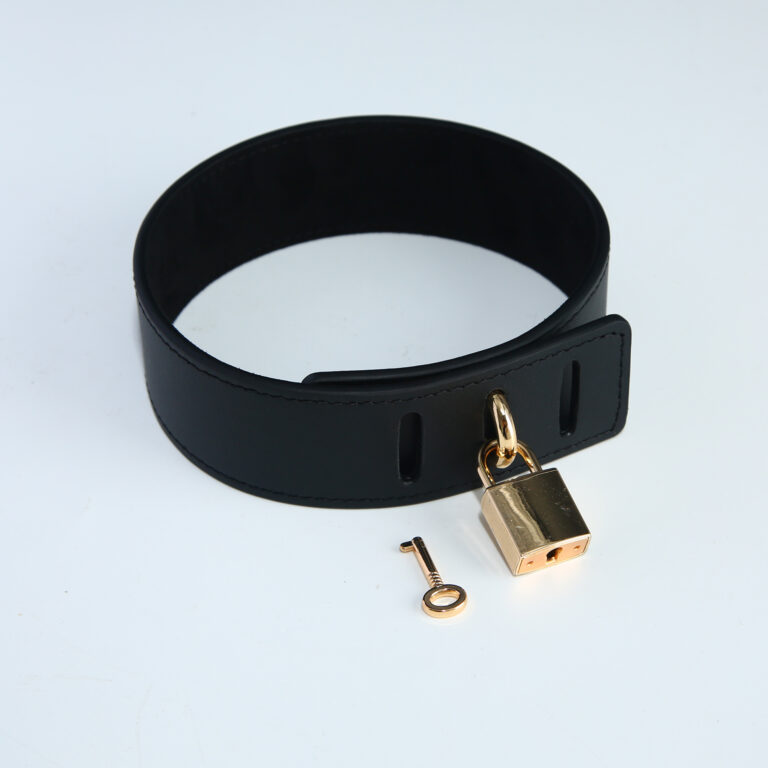
- Key Accessibility: If using restraints with locks (e.g., traditional handcuffs or padlocks on leather cuffs), ensure keys are easily accessible and clearly marked. Consider having a spare key in a designated, known location.
6.1.2. Strategic Placement of Release Tools:
Release tools must be placed strategically:
- Within Reach: The dominant partner should be able to access them quickly without having to search or move significantly.
- Out of the Way: Tools should not interfere with the scene or pose a risk of accidental injury.
- Visible (to dominant): The dominant partner should know exactly where they are.
- Discussed Pre-Scene: Both partners should be aware of the location of emergency tools.
6.2. Post-Bondage Aftercare
Aftercare is a vital component of the BDSM experience, fostering emotional connection and ensuring physical comfort after a scene with a bed bondage restraint kit.
6.2.1. Physical Aftercare:
- Gradual Release: Avoid abruptly releasing all restraints, especially after a prolonged or intense scene. A gradual release can help the body readjust.
- Circulation Restoration: Encourage movement of limbs to restore full circulation. Gentle massage can be beneficial.
- Hydration and Nourishment: Offer water, snacks, or a comforting drink.
- Warmth: Provide blankets or warm clothing, as body temperature can drop after intense experiences.
- Check for Marks/Bruises: Gently inspect the skin for any marks, chafing, or bruising from the restraints. Apply soothing balms if needed.
6.2.2. Emotional Aftercare:
- Debriefing and Communication: Talk about the experience. What worked well? What could be improved? How did each partner feel? This open communication is crucial for processing the experience and planning future scenes.
- Comfort and Reassurance: Offer hugs, cuddles, or words of affirmation. Reassure your partner of their safety and your care.
- Grounding Techniques: If a partner feels disoriented or overwhelmed, grounding techniques (e.g., focusing on sensory details, deep breathing) can be helpful.
- Respect Boundaries: If a partner needs space or quiet time, respect that need.
6.3. Troubleshooting Common Issues
Even with careful planning, issues can arise. Knowing how to troubleshoot can prevent minor inconveniences from escalating.
- Restraints Too Tight: If a partner reports numbness, tingling, or pain, immediately loosen or remove the restraint. Refer to the nerve compression section for specific checks (capillary refill, Kumar test) 39.
- Restraints Slipping: If restraints are too loose and slipping, adjust the tension. Ensure the cuffs are properly fitted and the under-mattress system is taut.
- Discomfort from Material: If the material of the bed bondage restraint kit is causing chafing or irritation, consider adding padding or adjusting the position. Our Fluff Tender BDSM Cuffs (2025 Winter) are designed with comfort in mind.
- Under-Mattress System Shifting: If the under-mattress system moves, re-center the mattress and re-tighten the straps. Ensure the bed frame is suitable for the system.
- Adjustable Bed Interference: If using an adjustable bed, ensure straps are clear of moving parts. Unplug the bed before making adjustments to the restraint system 11.
- Psychological Discomfort: If a partner expresses psychological distress or hits a “squick” (a trigger that causes discomfort), immediately stop the scene and engage in aftercare 57. Revisit consent discussions before future play.
6.4. Proactive Solutions and Future Considerations
As a company dedicated to high-end bondage restraints, we are always looking towards innovation.
- Enhanced Training Resources: The current landscape lacks specific, widely available training protocols for emergency release from bed bondage 55. Developing comprehensive guides and perhaps even interactive simulations could significantly enhance safety.
- Integrated Safety Features: Future bed bondage restraint kits could incorporate more advanced safety features. Speculatively, this might include:
- Pressure Sensors: Cuffs with integrated pressure sensors that alert the dominant partner if tension exceeds safe limits.
- Timed Release Mechanisms: For specific scenarios, a timed release could be pre-set.
- Remote-Activated Release: A small, discreet remote that can instantly release key restraints.
- Materiaali-innovaatio: Continued research into high-performance, easily cut, yet incredibly strong materials could offer new safety paradigms.
- Modulaariset ja mukautettavat järjestelmät: Our focus on modularity, as seen in our Zaoyi Restraint Kits, allows for greater adaptability and personalized safety configurations. This includes the ability to customize the distance between restraints, as offered by some specialized manufacturers 20.
By embracing these release protocols, aftercare practices, and troubleshooting strategies, you can ensure that every experience with your bed bondage restraint kit is not only thrilling but also deeply respectful, safe, and ultimately, empowering for both partners. Explore our full range of premium products, from Collar to Cuffs, and discover the art of sophisticated restraint.