
Hyödyntämällä strategisesti Zaoyi Bondagen vahvuuksia ja puuttumalla ennakoivasti näihin näkökohtiin brändit voivat luoda erittäin onnistuneita kumppanuuksia ja tuoda hienoja ja turvallisia
Welcome to "The Ultimate Bondage Restraints Checklist for Dominants," a comprehensive guide meticulously crafted to empower both novice and seasoned dominants in their practice. This checklist serves as an indispensable tool for promoting unparalleled safety, ensuring meticulous equipment management, and fostering an environment of trust and exploration. At Zaoyi Bondage, we understand that the art of bondage is built on a foundation of quality, safety, and mutual respect. Our premium leather bondage restraints, available at bondagerestraint.com/, are designed with these principles at their core, offering superior durability, exquisite craftsmanship, and a sensory experience that elevates every scene. This guide will walk you through essential protocols, equipment selection, application techniques, maintenance, and continuous learning, ensuring your journey as a dominant is both responsible and profoundly rewarding.

1. Introduction: The Ultimate Dominant’s Restraint Checklist
The journey into the world of BDSM, particularly the intricate art of bondage, demands a commitment to safety, precision, and continuous learning. For a dominant, this responsibility is paramount, encompassing not only the physical well-being of their submissive but also their psychological comfort and trust. This checklist is designed to be your definitive resource, providing a structured framework to navigate the complexities of bondage restraints with confidence and expertise. It emphasizes a proactive approach to risk management and equipment stewardship, ensuring that every scene is executed with the highest standards of care.

Our brand, Zaoyi Bondage, specializes in crafting high-end leather bondage restraints that stand as a testament to quality and safety. We believe that superior equipment is a cornerstone of responsible play, offering both aesthetic appeal and robust functionality. From the supple feel of our Leather Bondage Cuffs to the secure embrace of our Collar, each piece is engineered to enhance the experience while prioritizing the well-being of all participants. This guide will integrate best practices gleaned from extensive research, offering actionable insights to refine your dominant practice and ensure every encounter with bondage restraints is memorable for all the right reasons.
2. Core Safety Protocols & Risk Management
Safety is the non-negotiable bedrock of any BDSM activity, especially when incorporating bondage restraints. A dominant’s primary responsibility is to create an environment where the submissive feels secure, respected, and empowered, even within the dynamics of surrender. This section outlines the critical protocols and risk management strategies essential for every scene.

2.1 Informed Consent and Communication
The cornerstone of safe BDSM is informed consent, which must be enthusiastic, explicit, and ongoing. Before any scene involving bondage restraints, a thorough discussion is imperative. This conversation should cover:
- Boundaries and Limits: Clearly define what is and isn’t permissible. This includes specific types of bondage, duration, intensity, and any hard limits.
- Turvasanat: Establish a clear, unambiguous safe word system (e.g., a traffic light system with “red” for stop, “yellow” for caution, “green” for go). All parties must understand and agree to immediately cease activity upon a safe word being uttered [Learning 1].
- Aftercare Expectations: Discuss and agree upon aftercare protocols, which are crucial for both physical and emotional recovery post-scene. This can range from physical comfort to emotional reassurance [Learning 1].
- Pre-Scene Checklist: Utilize a pre-scene checklist to formalize these discussions, ensuring no critical element is overlooked. This helps confirm mutual understanding and agreement before any bondage restraints are applied [Learning 1].
2.2 Pre-Scene Assessment: Physical and Mental State
Before engaging in any BDSM activities, particularly those involving bondage restraints, it is crucial to assess the physical and mental state of all participants. This involves ensuring everyone is:
- Sober and Well-Rested: Impaired judgment or fatigue can compromise safety and consent.
- Emotionally Prepared: Participants should be in a suitable emotional state for the planned activities, free from undue stress or external pressures [Learning 1].
- Aware of Medical Conditions: Any pre-existing medical conditions (e.g., asthma, epilepsy, heart problems) must be disclosed and considered, as they can significantly impact the safety of restraint play. Medical advice should be sought if there are concerns [Learning 7].
2.3 Emergency Planning and Preparedness
Even with meticulous planning, unforeseen circumstances can arise. A robust emergency plan is non-negotiable for any dominant utilizing bondage restraints. This plan should include:
- First Aid Kit: A readily accessible, well-stocked first aid kit is essential.
- Emergency Contacts: Know how to contact emergency services and have relevant contact information readily available.
- Quick Release Tools: Have specific tools close at hand to quickly release participants from bondage constructions. This might include safety shears for rope, keys for locking cuffs, or other specialized tools for your specific bondage restraints [Learning 8].
- Scene Manager/Spotter: For complex or potentially risky scenes, consider having a designated “scene manager” or spotter. This individual monitors the scene, ensures safety protocols are followed, and can intervene if necessary [Learning 1].
2.4 Critical Physiological Considerations
The application of bondage restraints carries inherent physiological risks that must be understood and mitigated. Dominants must be acutely aware of:
- Nerve Compression: Prolonged or overly tight bondage restraints can compress nerves, leading to numbness, tingling, or even permanent damage. Regular monitoring and adjustments are necessary to prevent this [Learning 7].
- Circulation Restriction: Restraints that impede blood flow can cause serious injury. Always ensure that two fingers can comfortably fit under any bondage restraints applied to limbs or the neck. Check for changes in skin color, temperature, or sensation [Learning 7].
- Respiratory Compromise: Any form of breath play or restriction around the neck is inherently risky. There is no 100% safe way to practice breath play; it always involves risk [Learning 8]. Never apply direct pressure to the windpipe or Adam’s apple. When using implements around the neck, ensure at least two fingers can fit between the neck and the apparatus to prevent excessive pressure [Learning 8]. Breath play should never continue to the point of unconsciousness, as this carries severe risks including cardiac arrest, brain damage, and death [Learning 8]. Positional asphyxia, where a body position restricts breathing, is also a significant danger in complex bondage scenarios [Learning 8].
- Hydration and Temperature: Ensure the submissive remains hydrated and comfortable regarding temperature, especially during longer scenes.
2.5 Psychological Safety and Trust
Beyond physical safety, creating a psychologically safe and trusting environment is paramount. This involves:
- Building Rapport: A strong foundation of trust and open communication is crucial for a positive BDSM experience [Learning 1].
- Respecting Boundaries: Continuously respect and re-confirm boundaries throughout the scene.
- Mindfulness of Power Dynamics: Be aware of the inherent power dynamics and use them responsibly and ethically [Learning 1].
- Jälkihoito: Providing comprehensive aftercare is not just a physical act but a profound psychological one, helping partners transition back to their baseline and reinforcing trust [Learning 8].
3. Essential Restraint Inventory: Types and Selection
Building a versatile and safe collection of bondage restraints is an ongoing process that evolves with experience and preferences. The selection of equipment directly impacts the safety, comfort, and aesthetic of a scene. At Zaoyi Bondage, we pride ourselves on offering premium leather bondage restraints that meet the highest standards of material science, durability, and design.
3.1 Overview of Restraint Categories
A comprehensive inventory of bondage restraints typically includes:
- Cuffs: For wrists and ankles. These can range from soft, padded options to rigid metal or leather. Our Luxury Gothic Handcuffs and Elegant Bondage Cuffs exemplify the blend of aesthetics and security.
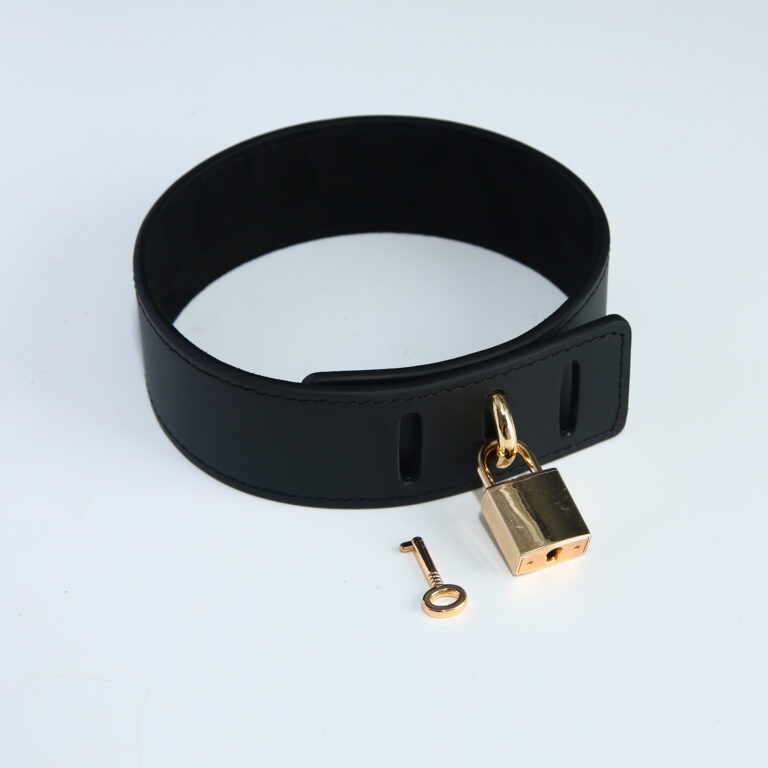
- Pannat: Used around the neck, often symbolizing ownership or submission. Zaoyi Bondage offers a range from the classic Collar to the distinctive WEDNESDAY Bondage Collar.
- Köysi: A versatile tool for intricate ties, suspension, and immobilization.
- Suukapulat: For sensory deprivation or vocal restriction.
- Suspension Gear: Ropes, pulleys, harnesses, and hard points for partial or full suspension. This category demands specialized training and load-rated hardware.
- Specialized Items: Blindfolds (like our Leather BDSM Blindfold), paddles (e.g., Luxurious Cowboy BDSM Spanking Paddle), and more elaborate setups like bondage beds or vacuum beds.
3.2 Material Properties and Sensory Experience
The choice of material for your bondage restraints significantly influences the sensory experience and overall safety.
- Nahka: Zaoyi Bondage’s specialty. Premium leather offers a luxurious feel, exceptional durability, and a distinct aesthetic. It molds to the body over time, becoming more comfortable with use. It’s generally skin-compatible and, with proper care, lasts for years. Our Leather Bondage Cuffs are a prime example of this craftsmanship.
- Köysi: Offers texture, visual appeal, and versatility. Materials like hemp, jute, cotton, or synthetic blends each have unique properties regarding grip, softness, and strength.
- Metal: Provides rigidity, weight, and opportunities for temperature play. Ensure metal components are smooth, rust-resistant, and free of sharp edges.
- Silicone: Easy to clean, hypoallergenic, and flexible, often used for gags or specialized restraints.
When selecting bondage restraints, consider the submissive’s skin sensitivity, potential allergies, and desired sensory input [Learning 7].
3.3 Selection by Experience Level
The dominant’s and submissive’s experience levels should guide the selection of bondage restraints:
- Aloittelijat: Start with simpler, easily escapable bondage restraints. Soft cuffs, basic rope ties, and blindfolds are excellent starting points. The focus should be on building trust, communication, and understanding basic safety protocols [Learning 7].
- Intermediate: As trust and skill develop, more complex bondage restraints and techniques can be introduced. This might include more restrictive cuffs, intricate rope patterns, or light impact play.
- Advanced: Experienced dominants, with formal training and a deep understanding of safety, can explore specialized bondage restraints like suspension equipment, advanced gags, or more intense impact tools. These require a thorough understanding of anatomy, physics, and emergency procedures [Learning 7].
3.4 Safety Mechanisms and Emergency Release
Regardless of the type or material, all bondage restraints must incorporate readily accessible emergency release mechanisms. This is a critical safety feature:
- Quick-Release Snaps: For cuffs and collars.
- Safety Shears: Essential for rope bondage, allowing for rapid cutting in an emergency.
- Keys: For locking devices, kept within easy reach of the dominant and, in some cases, a designated spotter.
- Redundant Systems: For suspension, always use redundant rigging and safety lines.
The submissive should always be aware of these mechanisms and how they function, even if they are not expected to use them [Learning 7].
3.5 Specialized Restraint Types and Considerations
As your practice evolves, you might explore specialized bondage restraints, each with its own set of safety considerations:
- Suspension Equipment: Requires extensive training in rigging, knot tying, load ratings, and emergency release. Incorrect rigging can lead to severe injury or death [Learning 7].
- Bondage Beds/Tables: Offer a stable platform for elaborate setups but require ample space and careful attention to pressure points.
- Vacuum Beds/Bags: Provide intense sensory deprivation and immobilization, demanding constant monitoring due to the risk of respiratory compromise.
- CBT (Cock and Ball Torture) Devices: Require extreme caution and a thorough understanding of anatomy to avoid permanent damage [Learning 7].
- Electrostimulation Devices: Should be used with caution and knowledge of safe voltage/amperage levels, avoiding sensitive areas or individuals with certain medical conditions [Learning 7].
Zaoyi Bondage offers a range of high-quality bondage restraints, from foundational pieces to more specialized items, all crafted to support your journey. Explore our Luxury Bondage Set for a curated collection designed for both safety and pleasure.
4. Safe Application & Removal Techniques
The safe and effective application and removal of bondage restraints are as crucial as their selection. This section focuses on the practical, safety-critical aspects that ensure comfort, prevent injury, and maintain control throughout a scene. Mastery of these techniques is a hallmark of a responsible dominant.
4.1 Principles of Application
When applying bondage restraints, several core principles must be adhered to:
- Gradual Introduction: Introduce restraints gradually, allowing the submissive to acclimate to the sensation and restriction.
- Comfort and Fit: Ensure all bondage restraints are applied snugly but not overly tight. There should be no pinching, chafing, or excessive pressure. For leather cuffs, ensure they are properly adjusted.
- Anatomical Awareness: A deep understanding of human anatomy is vital. Avoid placing bondage restraints over joints in ways that could cause hyperextension or dislocation. Be particularly mindful of areas with superficial nerves and blood vessels.
- Pressure Point Avoidance: Distribute pressure evenly. Prolonged pressure on specific points can lead to nerve damage or pressure sores. Use padding under bondage restraints where necessary, especially for longer scenes.
- Symmetry and Balance: For full-body bondage or suspension, ensure symmetry and balance to prevent uneven strain or instability.
4.2 Preventing Nerve Compression and Circulation Restriction
This is perhaps the most critical aspect of safe bondage restraints application. As previously mentioned, nerve compression and circulation restriction can lead to serious, long-term injury.
- Kahden sormen sääntö: A simple yet effective guideline is to ensure that at least two fingers can comfortably slide under any bondage restraints applied to limbs or the neck. This indicates sufficient slack to prevent dangerous compression [Learning 8].
- Regular Checks: Continuously monitor the submissive for signs of compromised circulation or nerve function:
- Color: Check for changes in skin color (e.g., pallor, blueness, excessive redness).
- Temperature: Feel for coldness in extremities.
- Sensation: Ask the submissive if they experience numbness, tingling, or a “pins and needles” sensation.
- Pulse: For advanced practitioners, checking a distal pulse can provide objective data.
- Positional Asphyxia Awareness: Be acutely aware of body positions that could inadvertently restrict breathing, even without direct pressure on the neck. This is particularly relevant in hogties or complex full-body bondage where the submissive’s chest or abdomen might be compressed [Learning 8].
4.3 Quick Release Mechanisms and Practice
Knowing how to apply bondage restraints is only half the equation; knowing how to remove them rapidly in an emergency is equally, if not more, important.
- Accessibility: Ensure all quick-release mechanisms (keys, shears, quick-release buckles) are immediately accessible to the dominant.
- Practice Drills: Regularly practice emergency release drills. This builds muscle memory and ensures that in a high-stress situation, you can act swiftly and effectively.
- Submissive Awareness: While the dominant is primarily responsible for release, the submissive should also be aware of the location and function of quick-release mechanisms, especially if a spotter is not present [Learning 7].
4.4 Common Mistakes and Assessment Techniques
Even experienced dominants can make mistakes. Awareness and proactive assessment are key:
- Over-tightening: The most common mistake. Always err on the side of slightly looser rather than too tight.
- Ignoring Feedback: Never dismiss a submissive’s verbal or non-verbal cues of discomfort, even if a safe word hasn’t been used.
- Lack of Padding: Neglecting to use padding under rigid bondage restraints or at pressure points.
- Inadequate Monitoring: Failing to regularly check for circulation, sensation, and comfort, especially during longer scenes.
- Assessment During Scene:
- Verbal Check-ins: Regularly ask “Are you okay?” or “How are you feeling?”
- Non-Verbal Cues: Observe facial expressions, body language, and any subtle movements that might indicate discomfort.
- Physical Checks: Periodically check the tightness of bondage restraints and the condition of the skin underneath.
By mastering these application and removal techniques, dominants can ensure that their use of bondage restraints is not only thrilling but also profoundly safe and respectful.
5. Restraint Maintenance, Storage, and Hygiene
The longevity, safety, and hygienic use of your bondage restraints depend heavily on proper maintenance, storage, and cleaning protocols. Neglecting these aspects can lead to equipment degradation, potential injury, and health risks. At Zaoyi Bondage, our premium leather bondage restraints are designed for durability, but even the finest materials require diligent care.
5.1 Material-Specific Cleaning Protocols
Cleaning protocols must be meticulously tailored to the specific materials of your bondage restraints to prevent damage and ensure effective disinfection [Learning 5].
- Leather Bondage Restraints (Zaoyi Bondage’s Specialty):
- Immediate Wipe-Down: After each use, wipe down leather bondage restraints with a clean, damp cloth to remove any surface fluids or lubricants.
- Hellävarainen puhdistus: For deeper cleaning, use a mild leather cleaner specifically designed for genuine leather. Avoid harsh chemicals, alcohol-based cleaners, or excessive water, which can dry out and crack the leather.
- Hoito: Regularly condition leather bondage restraints with a high-quality leather conditioner. This keeps the leather supple, prevents cracking, and extends its lifespan. Zaoyi Bondage recommends conditioning every few uses, or more frequently if the leather feels dry.
- Kuivaus: Allow leather to air dry completely at room temperature, away from direct sunlight or heat sources, which can cause shrinkage or damage.
- Rope Bondage Restraints:
- Washing: Most natural fiber ropes (cotton, hemp, jute) can be hand-washed in cool water with a mild, pH-neutral soap. Synthetic ropes may tolerate machine washing on a gentle cycle in a mesh bag.
- Huuhtelu: Rinse thoroughly to remove all soap residue.
- Kuivaus: Hang ropes to air dry completely. Ensure they are fully dry before storage to prevent mildew and rot.
- Metal Bondage Restraints:
- Puhdistus: Wipe down with an antibacterial wipe or a cloth dampened with a mild disinfectant solution.
- Kiillotus: For stainless steel, a metal polish can restore shine and prevent tarnishing.
- Kuivaus: Dry thoroughly to prevent rust or corrosion.
- Silicone Bondage Restraints:
- 88. pitkäikäisyyden ja turvallisuuden kannalta. Silicone is non-porous and very easy to clean. Wash with warm water and antibacterial soap, or boil for sterilization.
- Kuivaus: Air dry or wipe with a clean cloth.
5.2 Pre-Cleaning, Disassembly, and Water Quality
Drawing parallels from medical device reprocessing, effective cleaning begins with meticulous preparation:
- Pre-Cleaning: Remove gross soil (blood, bodily fluids, lubricants) from equipment immediately after use. Use sterile water and sterile sponges during use to prevent drying of contaminants [Learning 5].
- Disassembly: Multi-part bondage restraints or equipment should be opened and disassembled for effective cleaning and sterilization, unless manufacturer instructions specify otherwise [Learning 5].
- Water Quality: Use warm tap water (38-49°C) for rinsing. Some instruments may require rinsing with treated water [Learning 5].
5.3 Cleaning Agents and Techniques
- Detergents: Use protein-soluble detergents for initial soaking. Neutral pH detergents are recommended for ultrasonic cleaning. Enzymatic detergents are also useful for breaking down organic matter. Always follow the manufacturer’s instructions for water temperature and cleaning solution [Learning 5].
- Manual Cleaning: Scrub equipment with a soft-bristled brush, agitating during scrubbing. Flush ports with warm tap water [Learning 5].
- Ultrasonic Cleaning: For fine cleaning, ultrasonic cleaners can be used, adhering to the manufacturer’s recommended cleaning time [Learning 5].
5.4 Drying, Lubrication, and Inspection
- Kuivaus: Dry equipment with a clean, lint-free cloth or filtered, instrument-grade compressed air [Learning 5].
- 90. Materiaalien tulisi olla helppo puhdistaa ja desinfioida. Huokosettomat materiaalit, kuten lääketieteellinen silikoni, ruostumaton teräs ja tietyt kivet (marmori, jade, kvartsi), ovat ihanteellisia, koska ne voidaan puhdistaa perusteellisesti bakteerien kertymisen estämiseksi [Oppiminen: Rajoitusten huolto ja hygienia]. Lubricate tip mechanisms and finger slots of metal components, but avoid lubricating flush ports [Learning 5].
- Post-Cleaning Inspection: Visually inspect each piece of bondage restraints for cleanliness and function. Use a lighted magnifying lens for detailed inspection, especially for small or complex items. Any dirty items should be returned for re-cleaning [Learning 5]. Regularly check for damage, wear and tear, and ensure proper functionality of all bondage restraints [Learning 1].
5.5 Storage Protocols
Proper storage is crucial for maintaining the integrity and hygiene of your bondage restraints:
- Puhdas ja kuiva ympäristö: Store all bondage restraints in a dry, clean cabinet or container, away from direct sunlight, extreme temperatures, and humidity.
- Separation: Store different materials separately to prevent cross-contamination or damage (e.g., metal items scratching leather).
- Accessibility: Organize your storage so that items are easily accessible and identifiable.
- Sterile Storage (if applicable): If any items are sterilized (e.g., medical-grade implements), store them in a tightly covered container reserved for sterile equipment. Maintain sterile packaging until use [Learning 5].
5.6 Hygiene and Sanitation Best Practices
Maintaining hygiene is paramount to prevent infections and ensure the health of all participants.
- Personal Protective Equipment (PPE): When performing high-level disinfection or handling soiled items, personnel should be trained on and use appropriate PPE [Learning 5].
- Chemical Compatibility: Ensure any chemical disinfectants used are compatible with both the equipment manufacturer’s instructions and the cleaning products involved [Learning 5].
- Continuous Improvement: Regularly review and update your cleaning and storage protocols based on new information or product recommendations.
By adhering to these detailed maintenance, storage, and hygiene protocols, you ensure that your Zaoyi Bondage collection of premium leather bondage restraints remains safe, beautiful, and ready for countless scenes.
6. Continuous Learning & Advanced Practice
The journey of a dominant is one of continuous growth, skill refinement, and ethical reflection. For those who engage with bondage restraints, particularly in advanced scenarios, ongoing education and a commitment to best practices are not merely advisable but essential. This section encourages experienced dominants to deepen their knowledge, explore complex techniques responsibly, and uphold the highest ethical standards.
6.1 Ongoing Education and Skill Development
The BDSM landscape is dynamic, with evolving techniques, safety protocols, and ethical considerations. A truly masterful dominant never stops learning.
- Workshops and Training: Seek out workshops, seminars, and formal training sessions focused on advanced bondage techniques, rope safety, suspension rigging, and risk management. Learning from experienced practitioners is invaluable [Learning 1].
- Reading and Research: Continuously read books, articles, and reputable online resources to stay informed about new materials, techniques, and safety guidelines related to bondage restraints.
- Palautteen integrointi: Actively solicit and integrate feedback from your submissives. Their comfort, experience, and insights are crucial for your growth and for refining your practice with bondage restraints [Learning 1].
- Mentorship: Consider seeking mentorship from a highly experienced and respected dominant. A mentor can provide personalized guidance, share nuanced insights, and help navigate complex ethical dilemmas.
6.2 Advanced Safety Considerations and Risk Management
As you delve into more complex bondage scenarios, the risks escalate, demanding a more sophisticated approach to safety and risk management.
- Complex Suspension: Full or partial suspension with bondage restraints requires specialized knowledge of physics, knot theory, load-bearing capacities, and emergency release. Always use redundant rigging, load-rated hardware, and have a spotter present. Understand the physiological impacts of prolonged suspension, including blood pooling and nerve impingement.
- Breath Play (Edge Play): It is critical to reiterate that breath play is inherently risky and carries the highest potential for serious injury, including brain damage, cardiac arrest, and death [Learning 8]. There is no 100% safe way to practice it [Learning 8]. If explored, it must be done with extreme caution, clear communication, and never to the point of unconsciousness. Avoid direct pressure on the windpipe and ensure a two-finger width around the neck if any implements are used [Learning 8].
- Edge Play: Activities that push physical or psychological limits, such as breath control, intense impact play, or prolonged sensory deprivation, fall under “edge play” and carry high risk [Learning 8]. These require meticulous planning, constant monitoring, and a deep understanding of the submissive’s physical and psychological resilience.
- Emergency Preparedness for Advanced Scenes: For advanced scenes, your emergency plan must be even more robust. This includes having specialized tools for rapid release, a clear protocol for medical emergencies, and potentially a trained scene manager.
6.3 Ethical Reflection and Responsible Exploration
Ethical considerations are paramount in advanced BDSM. The power dynamics are often more pronounced, and the potential for psychological impact is greater.
- Trust as Foundation: The foundation of advanced play with bondage restraints is absolute trust between dominant and submissive. This trust is built through consistent communication, respect for boundaries, and a demonstrated commitment to safety and well-being [Learning 8].
- Ongoing Consent: Consent is not a one-time event but an ongoing process, especially in dynamic scenes. Regularly check in with your submissive, verbally and non-verbally, to ensure their continued enthusiastic consent [Learning 8].
- Psykologinen vaikutus: Be acutely aware of the psychological impact of intense bondage restraints and power exchange. Provide ample emotional support and aftercare.
- Legal Awareness: Remain informed about the legal implications of BDSM activities in your jurisdiction, particularly concerning consent and potential harm.
6.4 The Indispensable Role of Aftercare
Aftercare is an integral part of responsible BDSM practice, especially after intense scenes involving bondage restraints. It is not merely an option but a necessity for both the submissive and, often, the dominant.
- Physical Support: Address any minor physical discomforts, provide warmth, hydration, and gentle touch or massage.
- Emotional Support: Offer comfort, reassurance, and a safe space for processing emotions. This can include cuddling, verbal affirmations, or simply being present [Learning 8].
- Individualized Needs: Aftercare is highly individual. Discuss and determine what each partner needs to feel safe and grounded before, during, and after play [Learning 8]. Some may need physical closeness, others space, or “vanilla” sexual activity [Learning 8].
- Return to Baseline: Aftercare helps partners transition back to their day-to-day roles and reset their equilibrium, strengthening trust and communication [Learning 8].
- Dominant’s Aftercare: Dominants may also require aftercare, especially after intense or emotionally demanding scenes. Acknowledge and address your own needs for processing and de-stressing.
At Zaoyi Bondage, we believe that the pursuit of mastery in bondage is a journey of continuous learning, ethical practice, and profound connection. Our premium bondage restraints are designed to be reliable partners in this journey, supporting both foundational techniques and the responsible exploration of advanced practices. We encourage you to explore our Zaoyi Bondage Best Sellers and Zaoyi Bongdage New Arrivals as you continue to refine your art.